
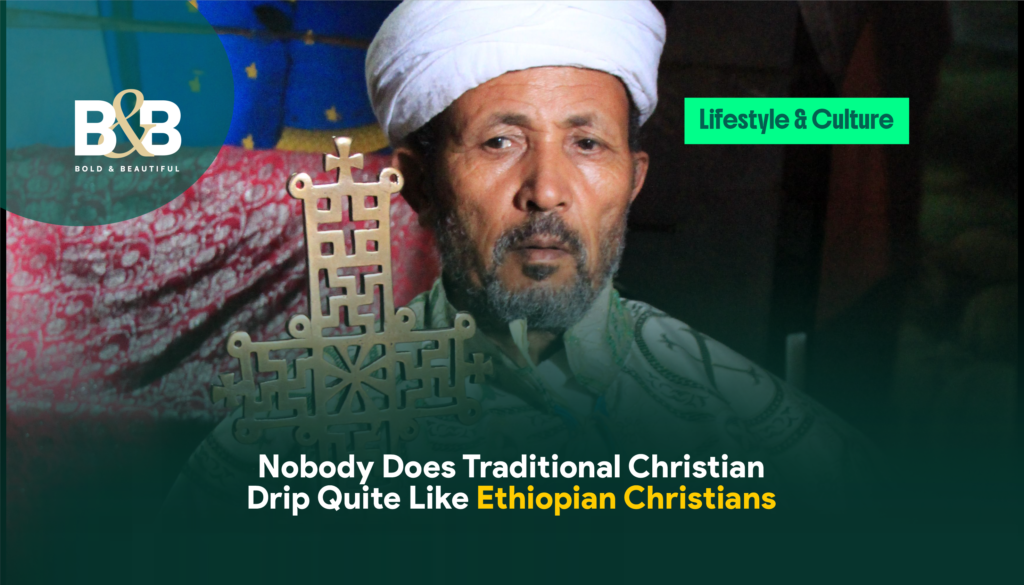
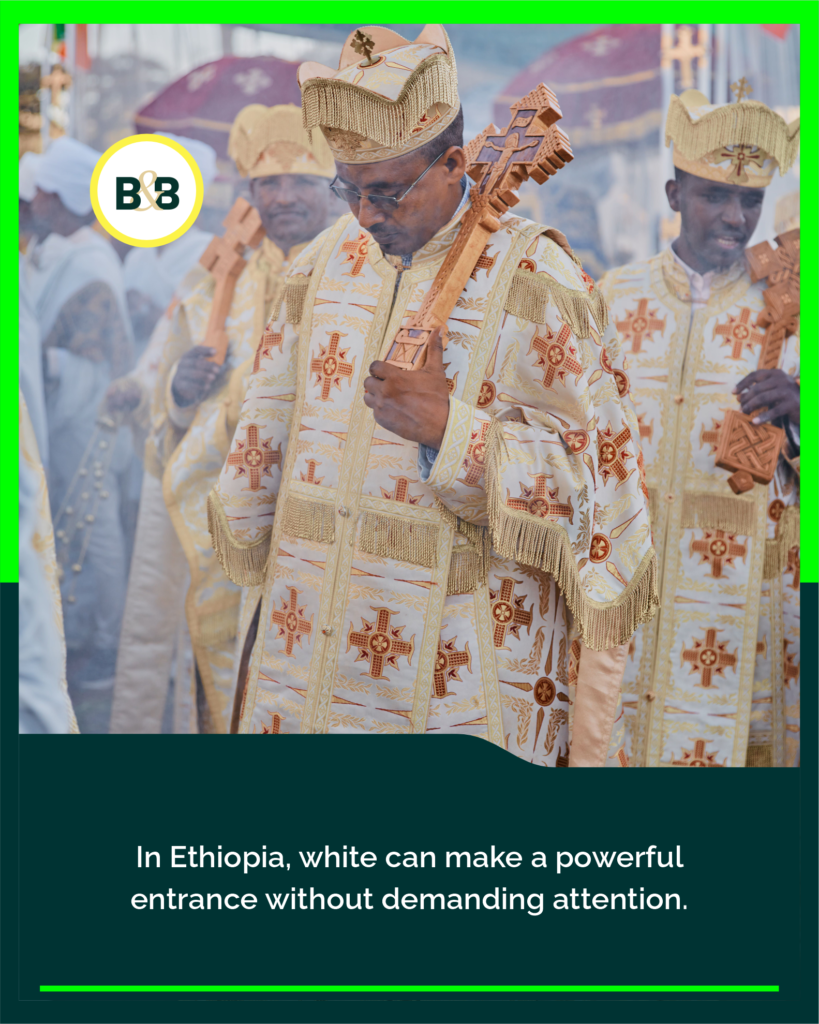
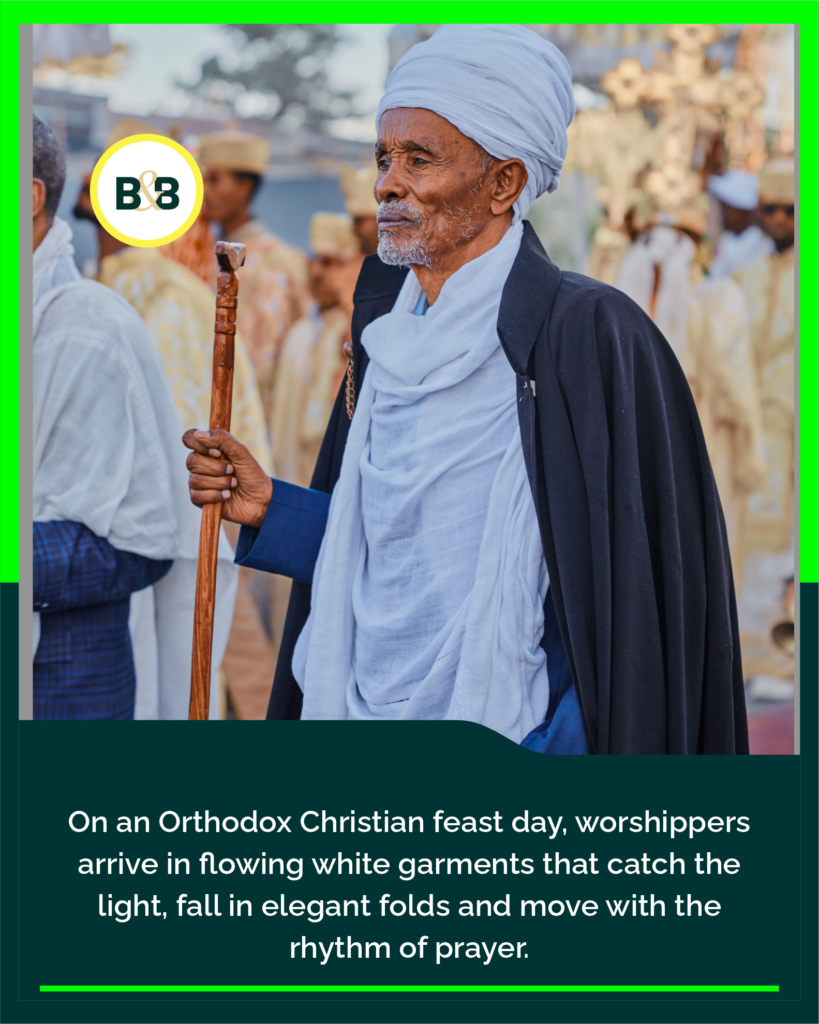
In Ethiopia, white can make a powerful entrance without demanding attention. On an Orthodox Christian feast day, worshippers arrive in flowing white garments that catch the light, fall in elegant folds and move with the rhythm of prayer. Women may wear a netela, a lightweight cotton shawl draped over the head and shoulders, while men and women alike appear in traditional robes and wraps suited to the occasion. The effect is striking: an entire congregation dressed in a colour associated with purity, yet carrying individual variations in texture, draping and detail. Call it traditional Christian drip if you like. The style has centuries of faith, craftsmanship and cultural memory behind it.
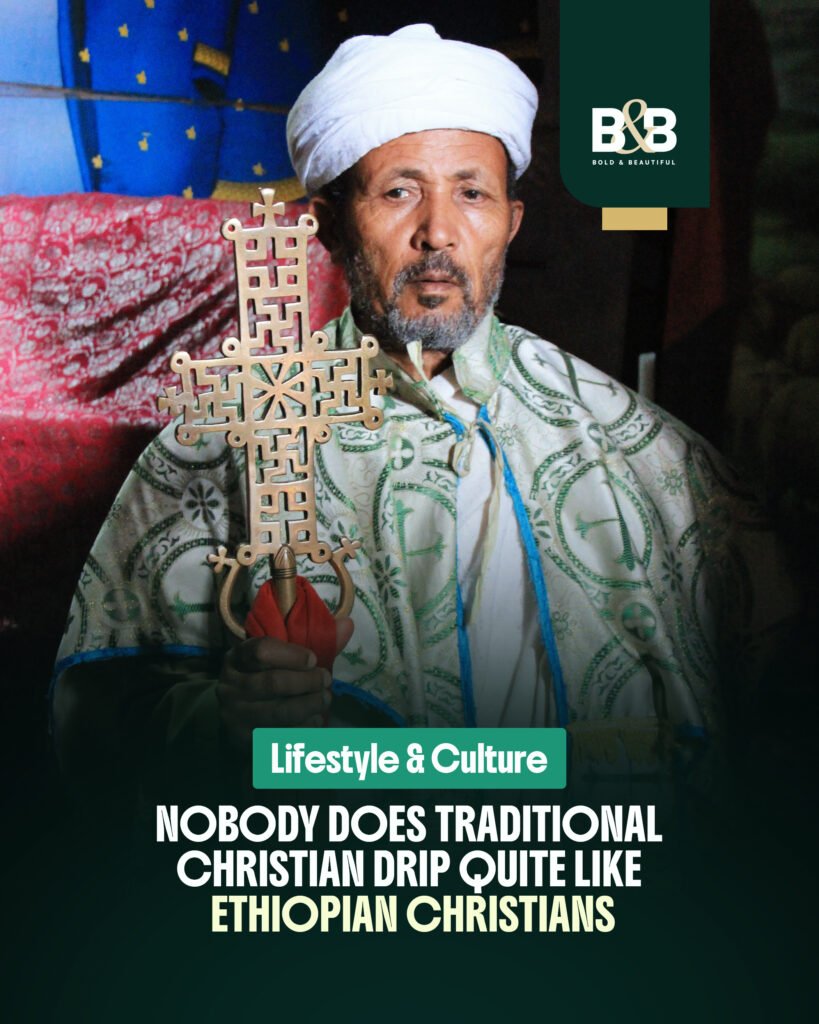
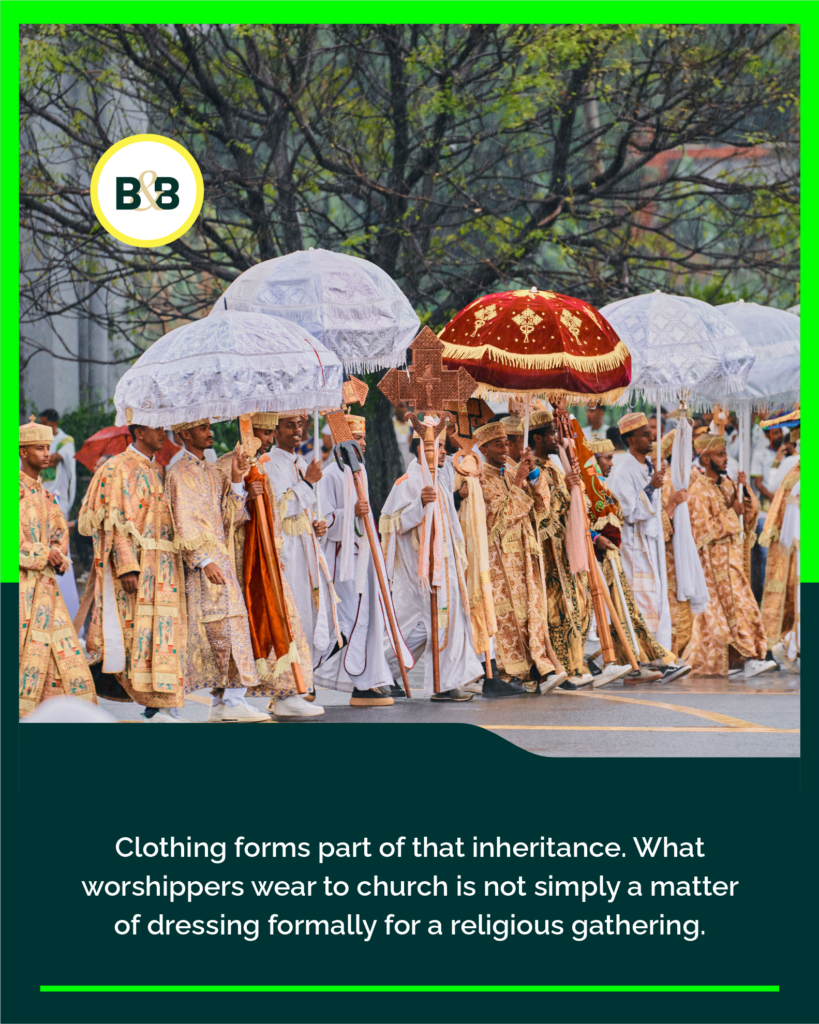
Ethiopia’s relationship with Christianity reaches back to the fourth century, when the Kingdom of Aksum adopted Christianity under King Ezana. The Ethiopian Orthodox Tewahedo Church has since developed a distinctive spiritual and cultural heritage, shaped by ancient liturgical traditions, local languages, sacred music and practices passed from one generation to another. Clothing forms part of that inheritance. What worshippers wear to church is not simply a matter of dressing formally for a religious gathering. It connects the present to a long history in which faith has helped shape how communities understand themselves and express their place in the world.
The netela is among the most recognisable pieces of Ethiopian traditional dress. Usually made from cotton, it is a large, lightweight shawl often distinguished by a woven border known as a tibeb. The border can introduce colour and intricate patterns without overwhelming the garment’s restrained appearance. Women commonly wear the netela over their hair and shoulders during church services and religious occasions, although styles and customs vary by region, community and individual practice. Its beauty lies partly in its versatility: it can appear simple from a distance, then reveal the skill of its weaving when seen up close. A garment used for modesty and worship can also carry a remarkable sense of design.
Other traditional garments, including white robes and dresses, contribute to the visual language of Ethiopian Orthodox celebrations. Cotton is especially valued for its suitability to the country’s climate and for its place in longstanding weaving traditions. In many communities, garments are made or acquired for important religious occasions, including Christmas, Easter, Timkat and Meskel. These celebrations bring people into public spaces in clothing that communicates reverence and belonging. The overall look is not a uniform imposed on every worshipper; it is a shared visual tradition expressed through different garments, regional influences and personal choices.
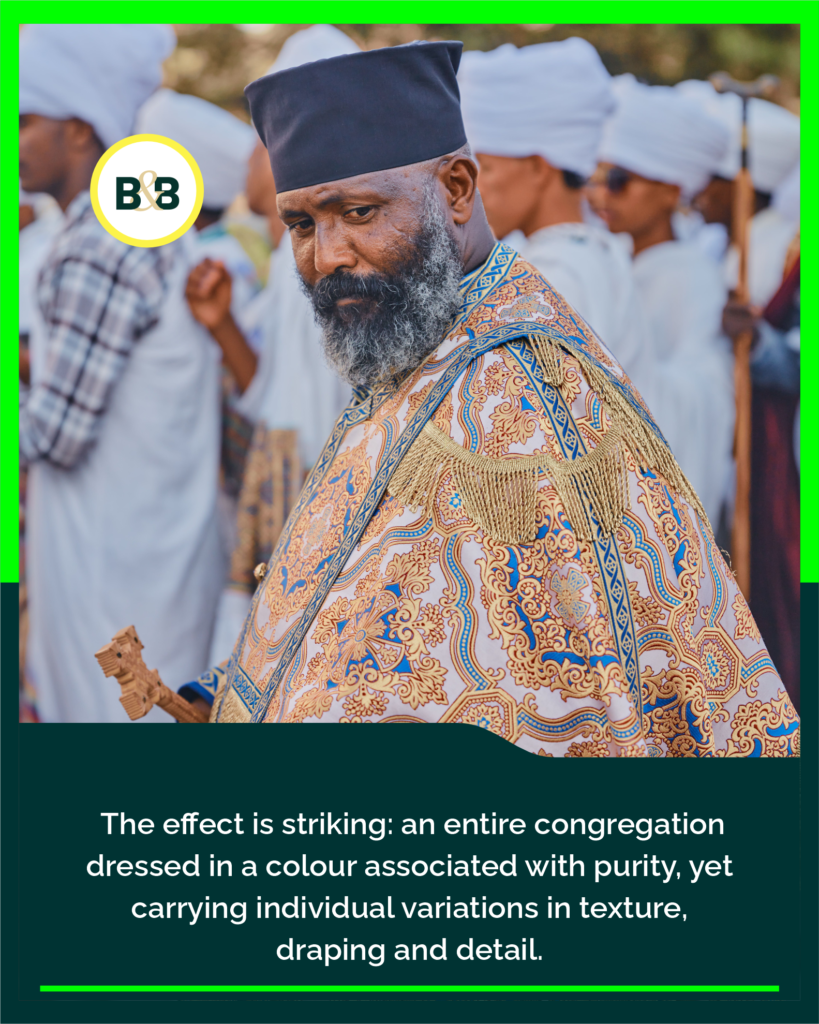
The appeal of Ethiopian Christian attire also comes from the relationship between clothing and movement. During services and processions, white shawls frame faces, robes gather and unfold, and fabric moves with gestures of prayer. At Timkat, the Ethiopian Orthodox celebration of Epiphany, white-clad worshippers gather around elaborate religious processions and the ceremonial presence of replicas of the Ark of the Covenant, known as tabots. The collective effect can be extraordinary, but its meaning is not theatrical performance. It is a public expression of devotion, rooted in worship and community. The visual beauty follows from the practice; it is not a substitute for it.
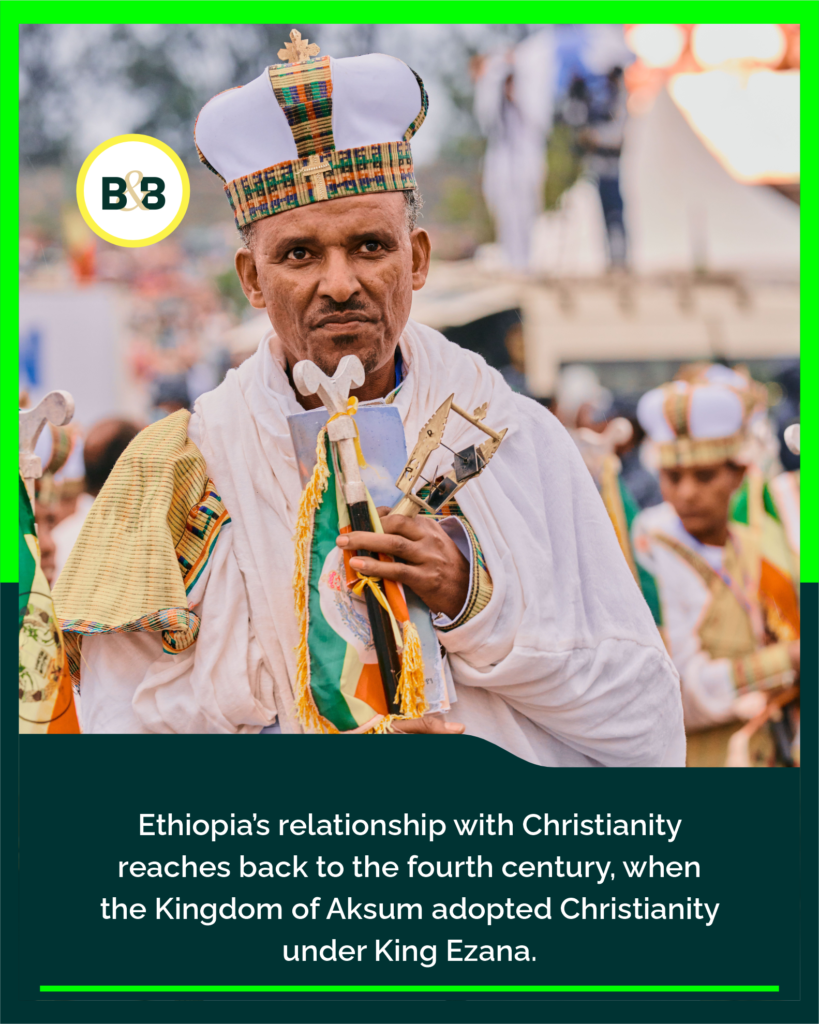
Ethiopia’s weaving heritage adds another dimension to the story. Traditional handwoven cotton textiles are produced by skilled artisans, with techniques and designs that vary across the country. The tibeb border, in particular, can transform a plain white garment through a carefully placed strip of colour and pattern. This balance between restraint and detail has an appeal that contemporary fashion understands well: a strong silhouette, thoughtful construction and one defining feature can say more than excessive ornament. Yet these garments should not be treated as a trend waiting for the fashion industry’s approval. Their design language already has its own history, purpose and standards of beauty.
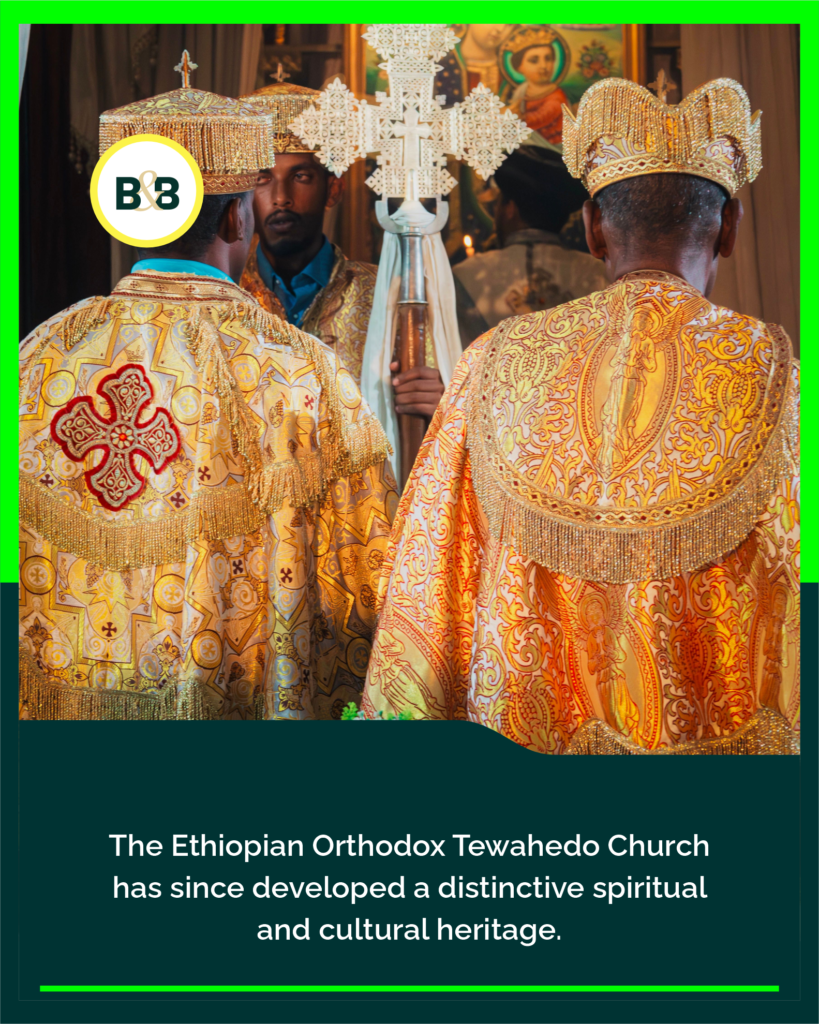
There is also an important distinction between appreciating the aesthetic and understanding the faith. White clothing is widely associated with purity and reverence in Ethiopian Orthodox practice, but meanings can vary according to the garment, occasion and wearer. Not every Ethiopian Christian dresses identically, and traditional attire is not exclusive to religious settings. The same textiles and forms can appear at weddings, cultural celebrations and other significant gatherings. Ethiopia’s religious identity is diverse, too, encompassing Muslim, Protestant, Catholic and other communities alongside the Ethiopian Orthodox Tewahedo Church. Recognising that diversity makes the Orthodox tradition more interesting, not less distinctive.
Perhaps that is what makes Ethiopian Orthodox Christian attire so compelling: it does not need to choose between cultural identity and spiritual purpose. Its white garments hold together the practical skill of weaving, the intimacy of personal devotion and the public life of a community with an exceptionally long Christian history. The netela and the robes worn for religious celebrations are beautiful, but their significance reaches beyond appearance. They carry memory, mark important moments and make faith visible without a word being spoken. In the language of modern style, the drip is undeniable. In the language of tradition, it means considerably more.


