

Rodina Williams entered the history books as the first Black Illinoisan to earn a doctorate in Clinical Laboratory Science, a field that quietly underpins modern medicine. Her achievement marks a significant moment in healthcare education, where laboratory professionals play a central role in diagnosis, treatment decisions, and public health outcomes. Williams’ milestone brings long overdue visibility to a discipline that shapes patient care from behind the scenes.
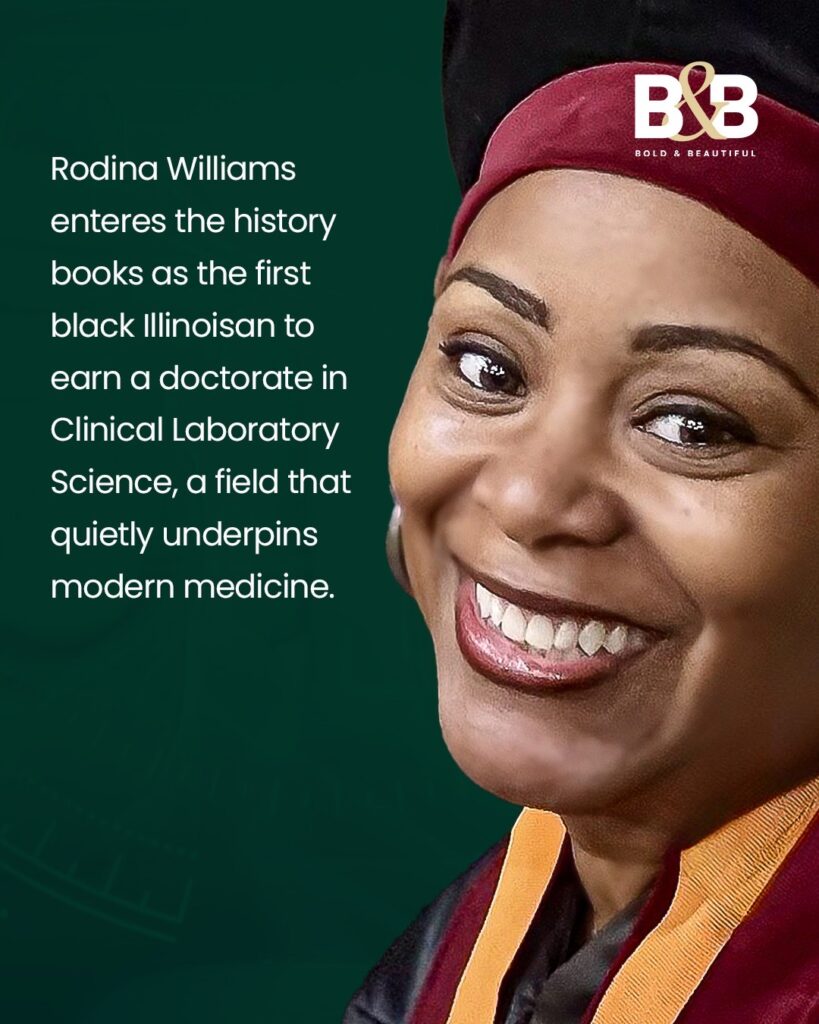
Clinical Laboratory Science demands precision, endurance, and deep scientific training. Williams’ doctoral journey reflects years of advanced study in diagnostics, laboratory management, and research methodology. At a time when healthcare systems depend heavily on accurate testing and data interpretation, her academic accomplishment signals both personal excellence and progress for a profession facing workforce shortages and rising complexity.

Her success also carries broader meaning within Illinois and across the United States. Representation at the highest academic levels in laboratory science remains limited, particularly for Black professionals. Williams’ doctorate challenges long-standing gaps in access and opportunity, while expanding the profile of who leads, teaches, and innovates within clinical laboratories. Educators and peers have pointed to her achievement as a catalyst for future students who rarely see themselves reflected in senior scientific roles.
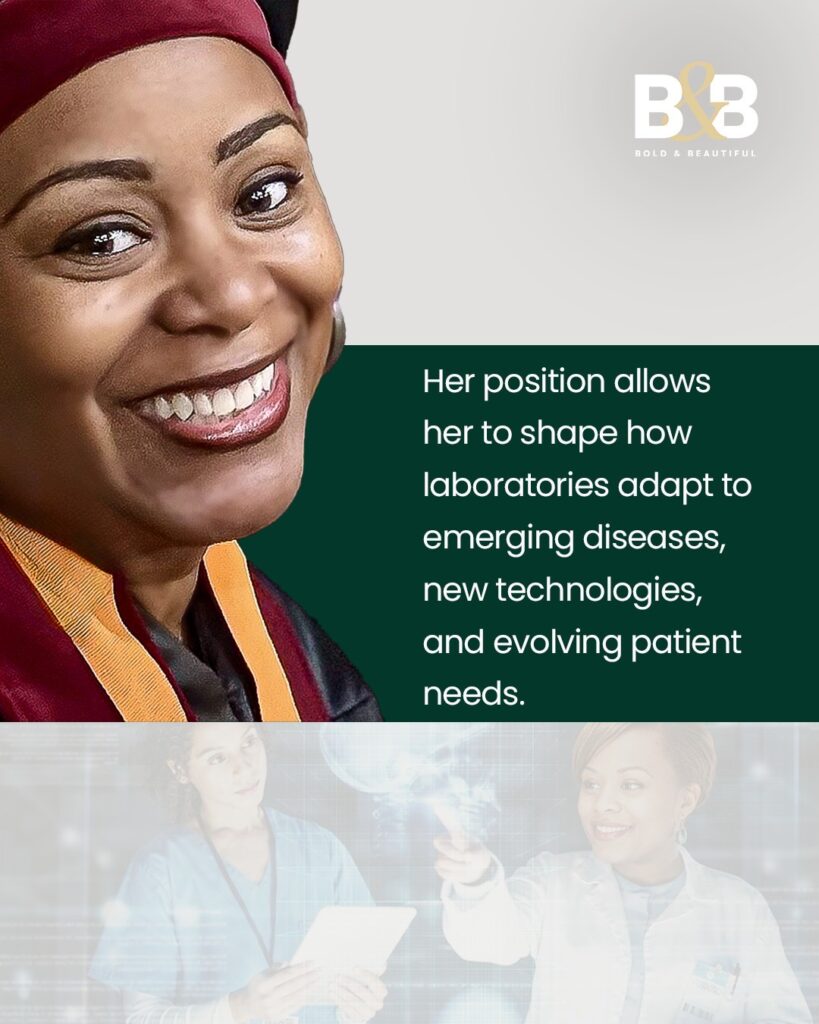
Meanwhile, Williams’ work speaks to impact. Doctoral training in Clinical Laboratory Science equips professionals to influence policy, advance research, and improve laboratory standards that affect entire health systems. Her position allows her to shape how laboratories adapt to emerging diseases, new technologies, and evolving patient needs. In a post-pandemic era, that expertise carries heightened relevance.
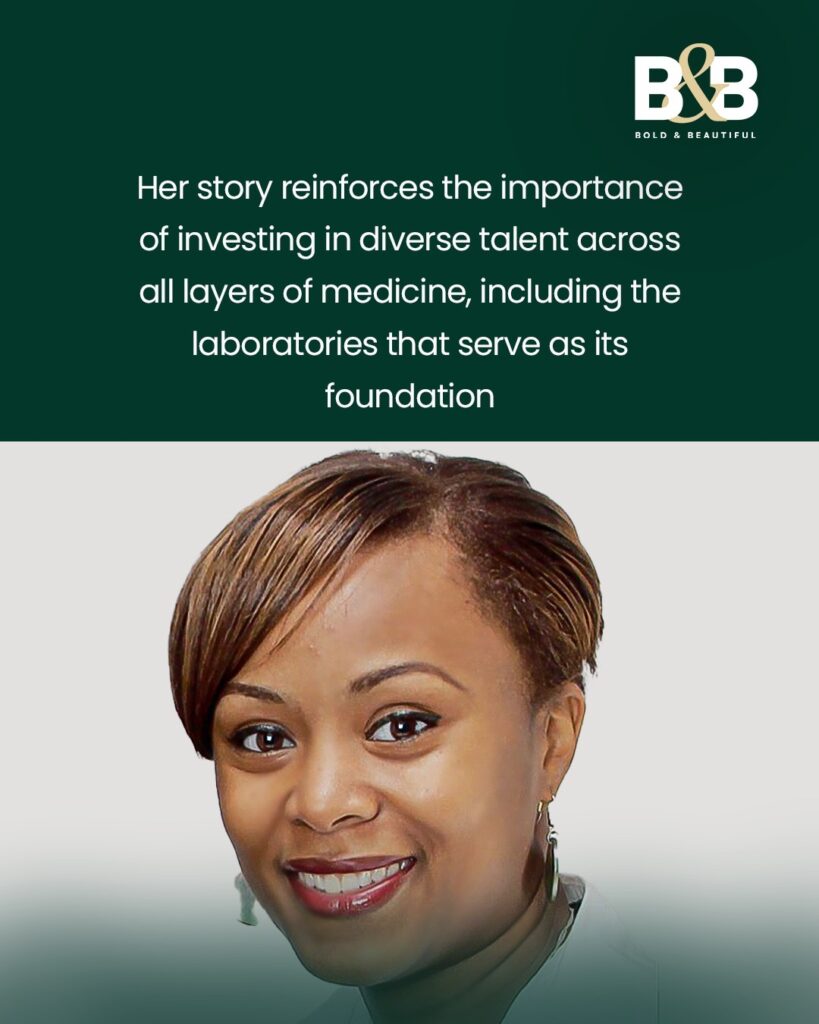
Rodina Williams’ accomplishment is both a personal triumph and a professional signal. It affirms that excellence in healthcare science thrives when opportunity expands. Her story reinforces the importance of investing in diverse talent across all layers of medicine, including the laboratories that serve as its foundation.