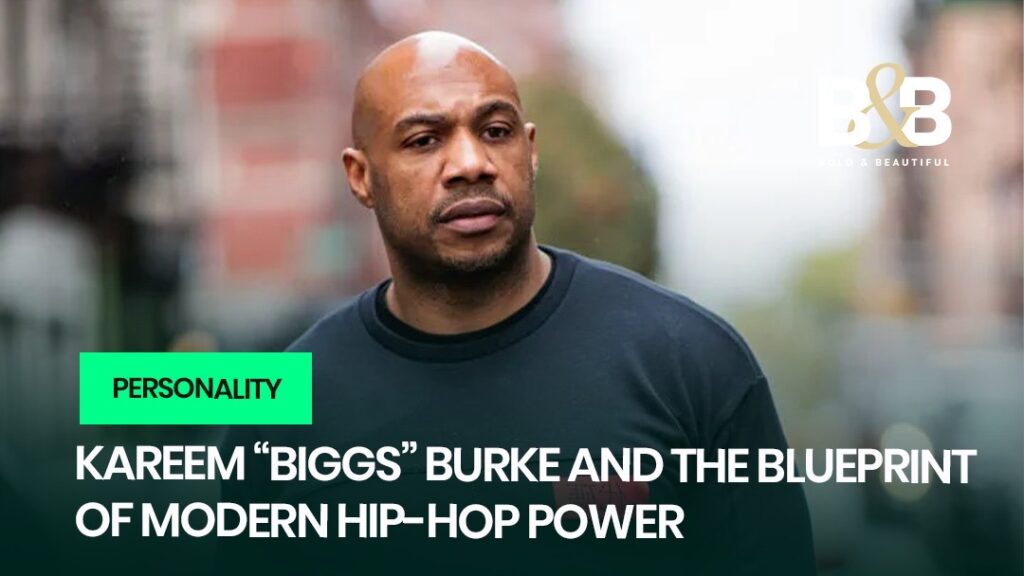
Kareem “Biggs” Burke stands as one of the quiet architects behind hip-hop’s transformation into a global cultural force. As a co-founder of Roc-A-Fella Records alongside Shawn Carter and Damon Dash, Burke helped build a platform that reshaped music, fashion, and business in the late 1990s and early 2000s. Roc-A-Fella did not simply launch careers; it introduced a new model of independence, ownership, and ambition that shifted how artists approached power within the industry.
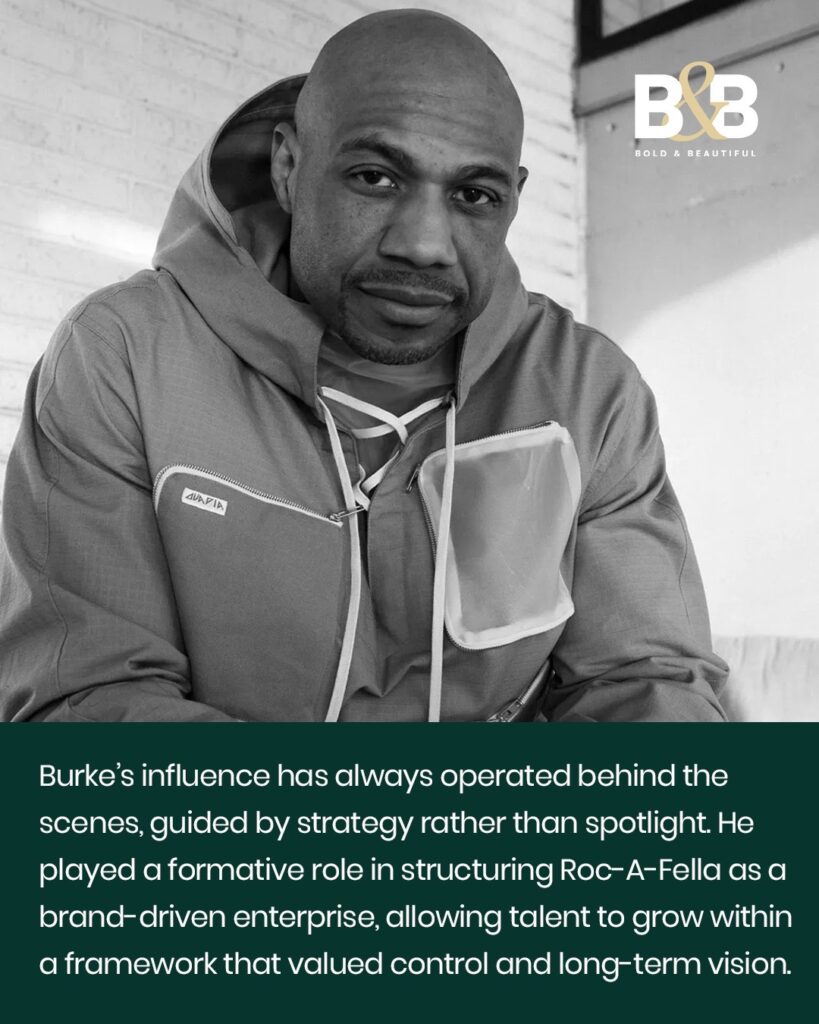
Burke’s influence has always operated behind the scenes, guided by strategy rather than spotlight. He played a formative role in structuring Roc-A-Fella as a brand-driven enterprise, allowing talent to grow within a framework that valued control and long-term vision. The label’s success helped set the tone for hip-hop’s evolution from street expression to boardroom leverage, with Jay-Z’s ascent standing as the most visible outcome of that early blueprint.
After Roc-A-Fella’s era-defining run, Burke’s path took a more introspective turn. His later years included personal challenges that removed him from public view for a time, yet that period sharpened his perspective on legacy and responsibility. When he re-emerged, it was with a broader focus on storytelling, mentorship, and cultural documentation. Rather than chase nostalgia, Burke committed to preserving the lessons of a movement that many enjoyed but few truly understood from the inside.
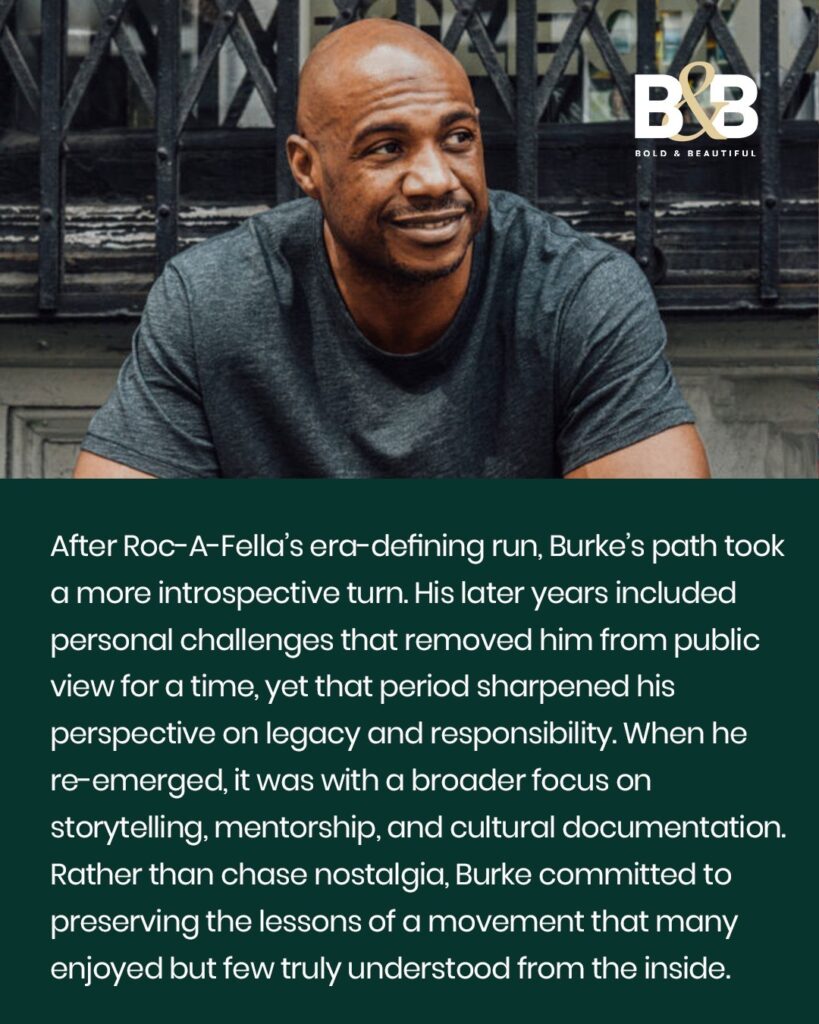
In recent years, Burke has extended his cultural work into film, publishing, and wine, using each medium to explore identity, resilience, and Black excellence. His projects reflect a belief that culture requires stewardship, not just consumption. By investing in narratives that highlight process rather than hype, he has positioned himself as a custodian of hip-hop history and a guide for its future architects.
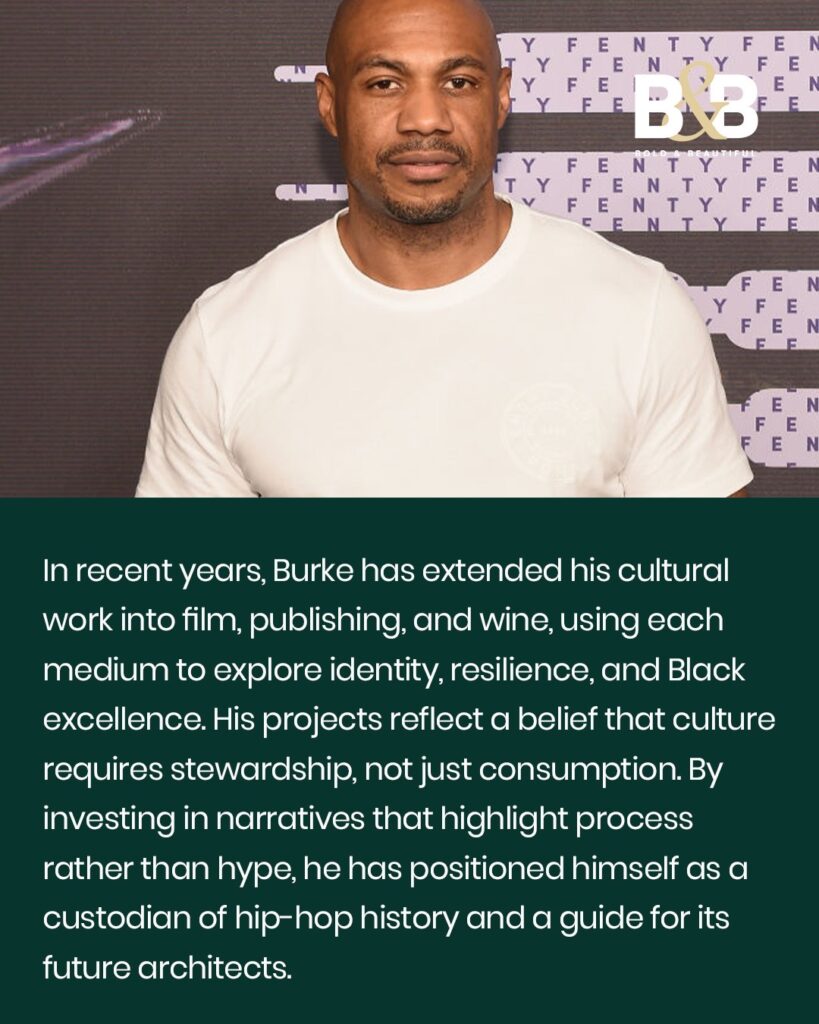
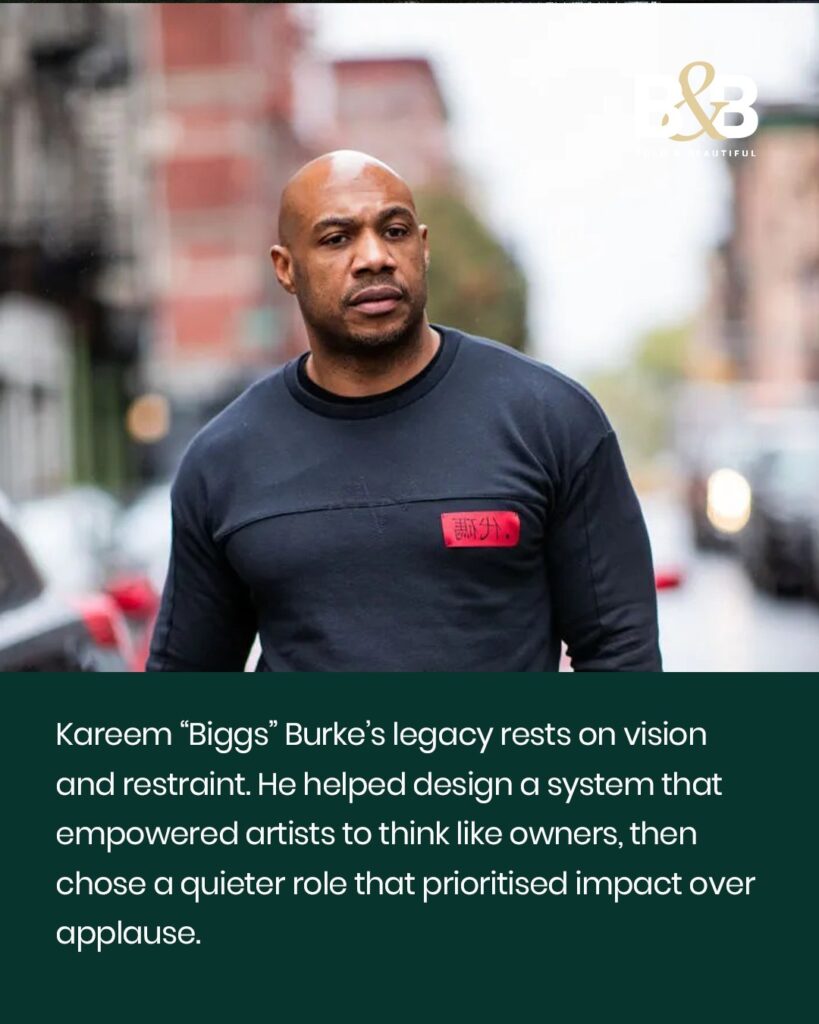
Kareem “Biggs” Burke’s legacy rests on vision and restraint. He helped design a system that empowered artists to think like owners, then chose a quieter role that prioritised impact over applause. In an industry often driven by immediacy, Burke represents the long game, a cultural architect whose influence continues to shape how power, creativity, and legacy intersect.