
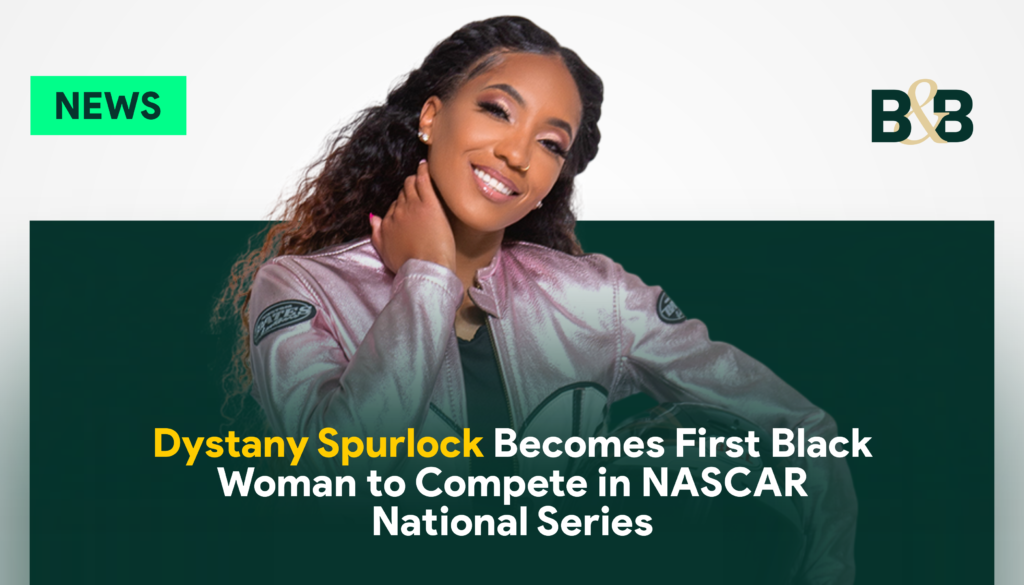
Dystany Spurlock has made motorsport history as the first Black woman to compete in a NASCAR national series, marking a defining moment in the sport’s long and complex relationship with representation. Her entry into one of America’s most competitive racing ecosystems signals a shift that extends beyond personal achievement. It reflects a gradual opening of a space that has traditionally been limited in access, visibility, and participation for women of colour. In a sport built on precision, endurance, and technical mastery, Spurlock’s presence introduces a new narrative into the NASCAR landscape.
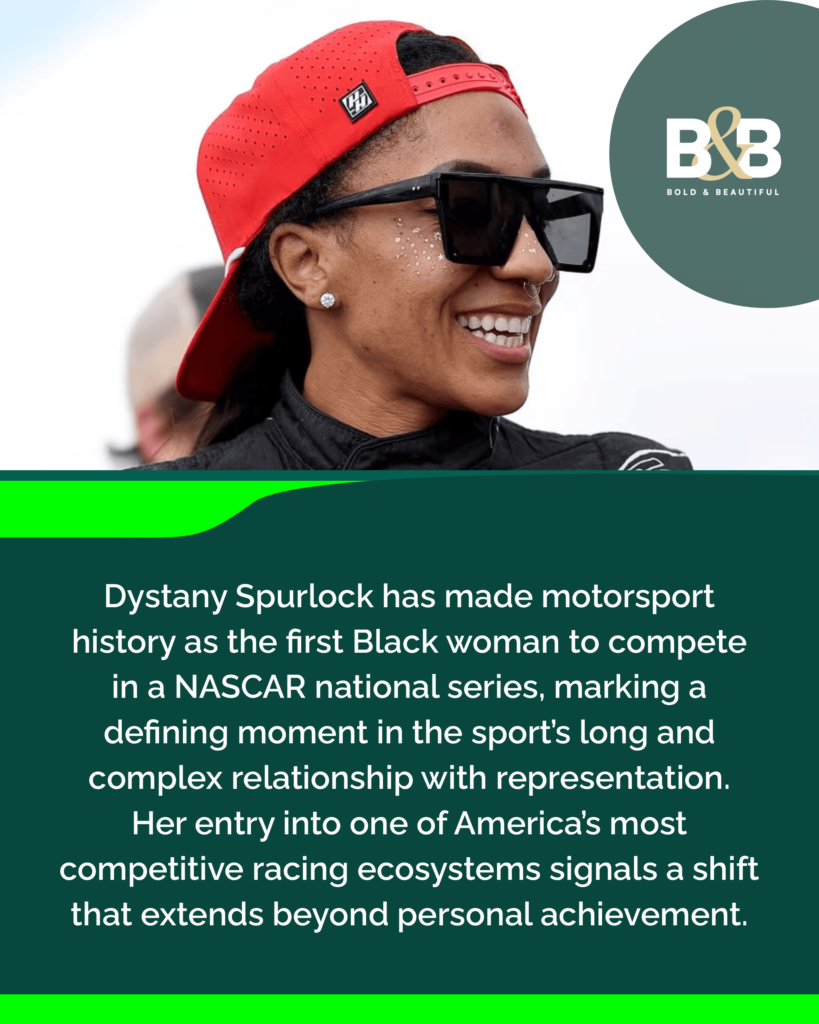
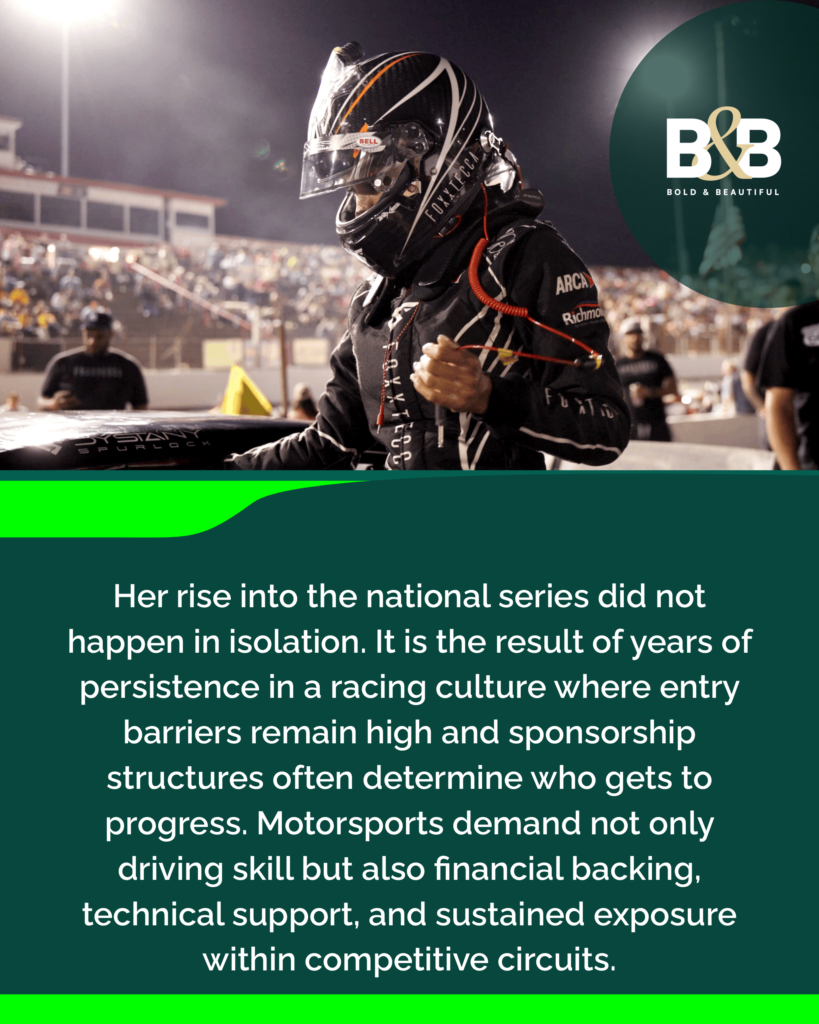
Her rise into the national series did not happen in isolation. It is the result of years of persistence in a racing culture where entry barriers remain high and sponsorship structures often determine who gets to progress. Motorsports demand not only driving skill but also financial backing, technical support, and sustained exposure within competitive circuits. Spurlock’s breakthrough into NASCAR’s national stage places her among a small group of drivers who have managed to navigate those structural challenges while building credibility on track. Her achievement also highlights the increasing importance of development pathways and inclusion initiatives aimed at widening access to motorsport.
The significance of her milestone extends into the broader conversation around diversity in American racing. NASCAR has spent the past decade attempting to broaden its appeal and rebuild its image for a new generation of fans. Efforts around driver development programs, community outreach, and inclusion campaigns have gradually created openings for more diverse competitors. Spurlock’s entry into the national series represents a visible outcome of those long-term changes. It also places her under a level of scrutiny that comes with being a first, where performance is often read not only as individual success but as a measure of progress for others who may follow.
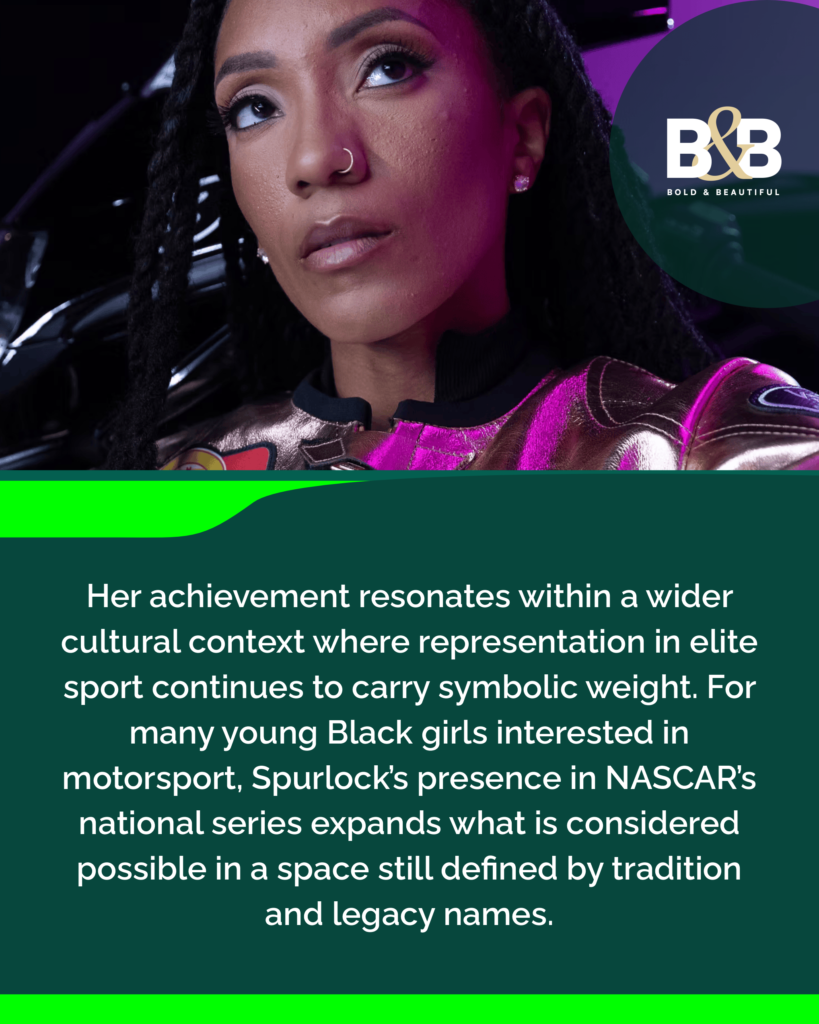
Spurlock’s achievement resonates within a wider cultural context where representation in elite sport continues to carry symbolic weight. For many young Black girls interested in motorsport, her presence in NASCAR’s national series expands what is considered possible in a space still defined by tradition and legacy names. Her journey reinforces a growing reality in global sport: access is expanding, but breakthrough moments still require exceptional resilience. In that sense, her story is not only about reaching the starting grid. It is about redefining who is seen when the race begins.