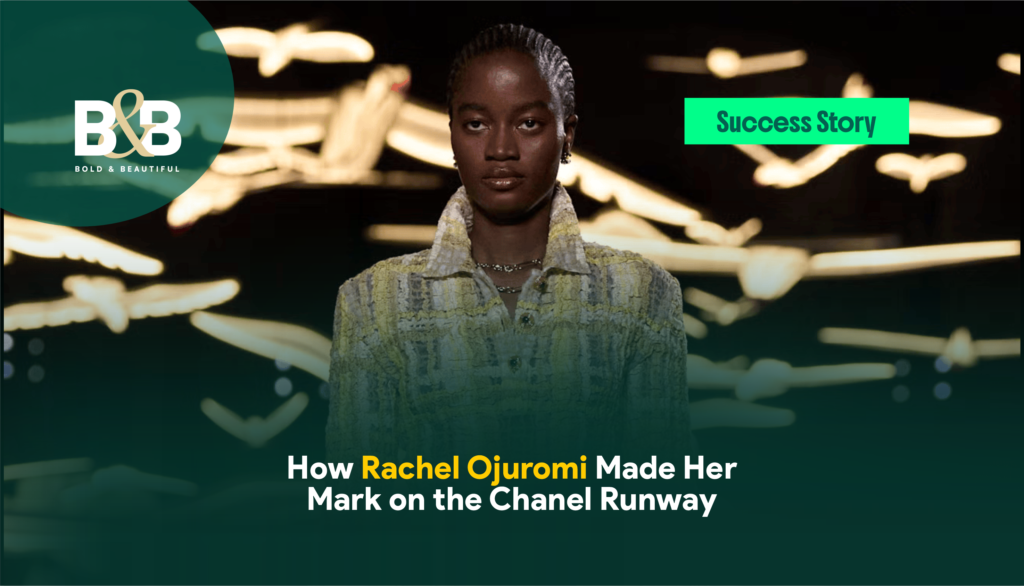
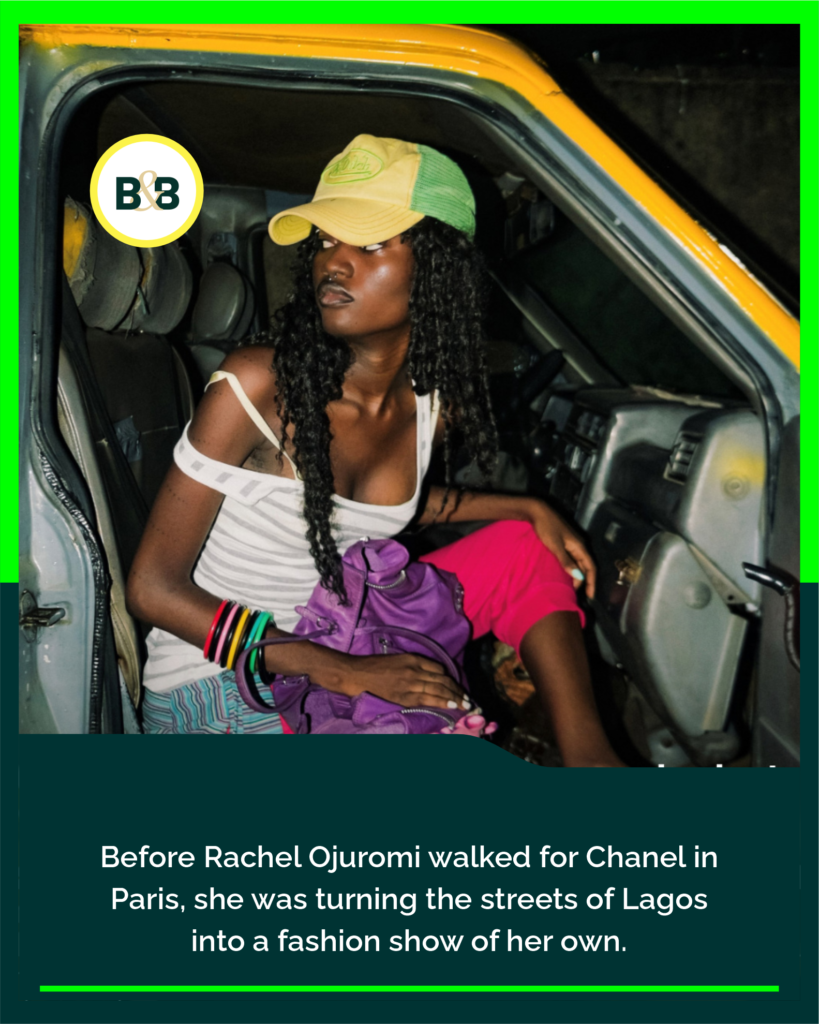
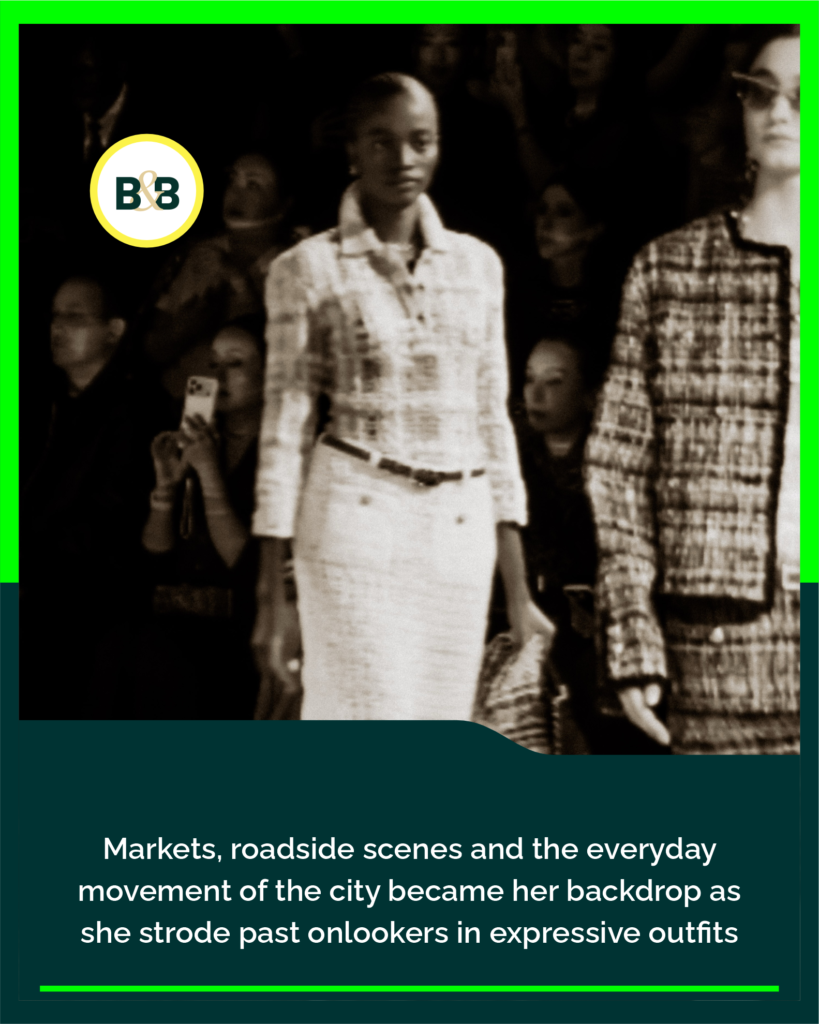
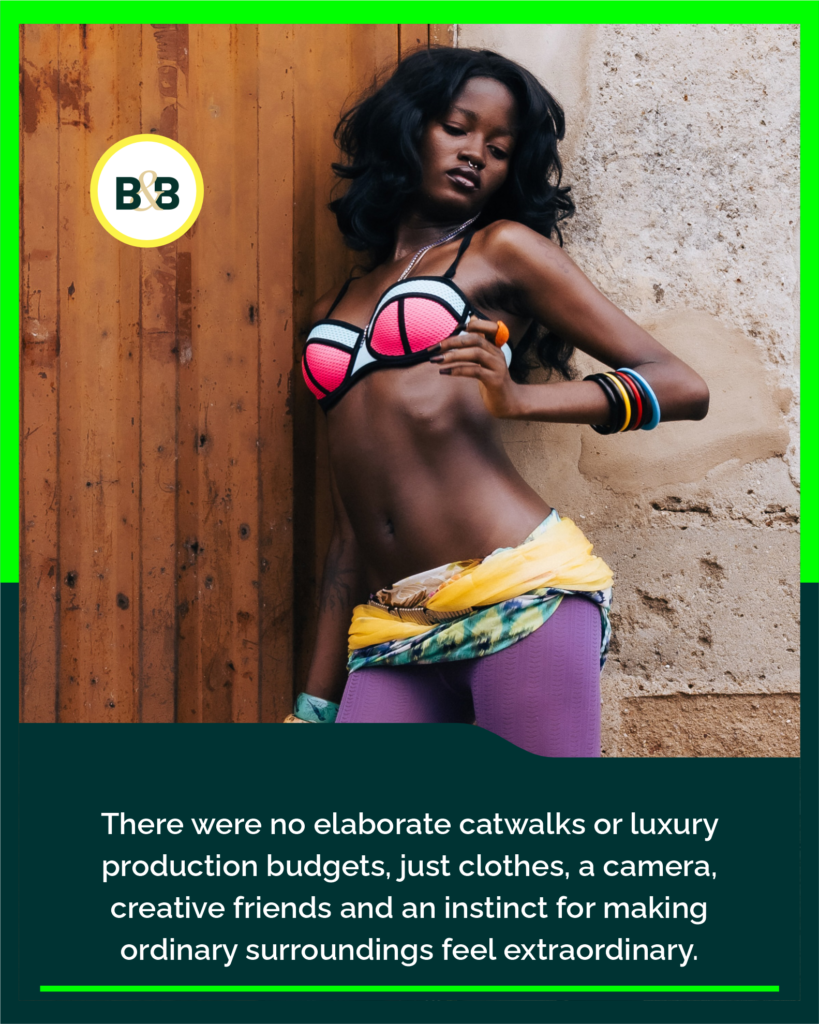
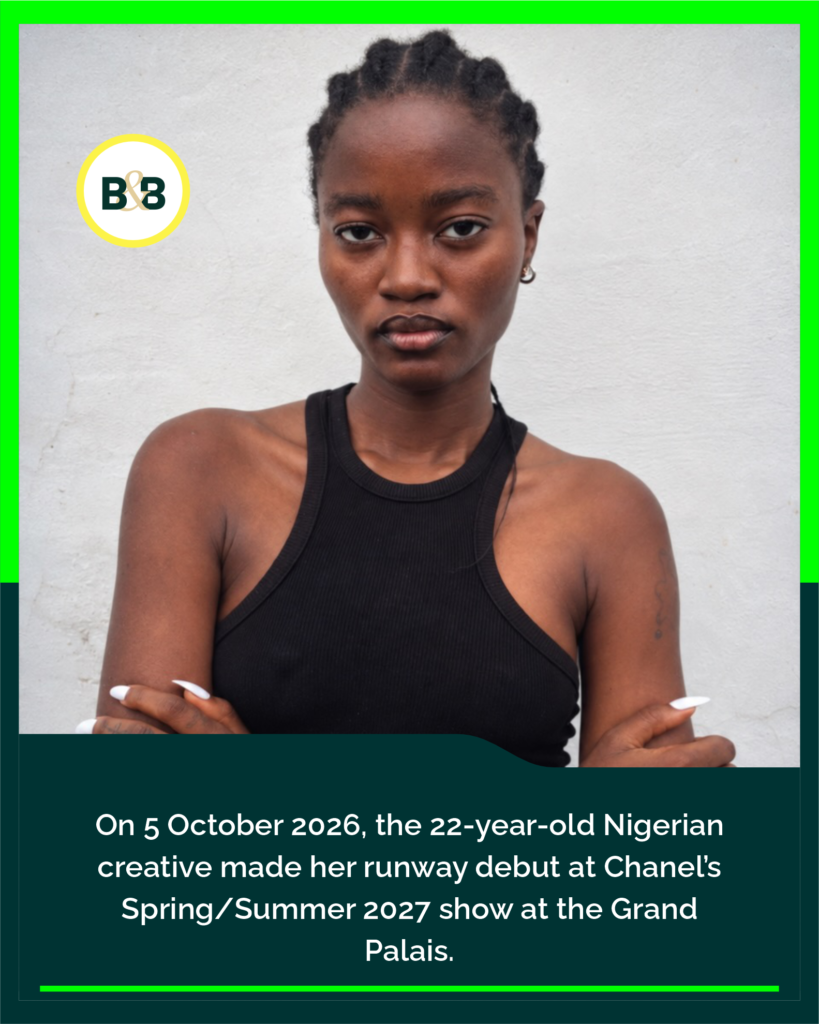
Before Rachel Ojuromi walked for Chanel in Paris, she was turning the streets of Lagos into a fashion show of her own. Markets, roadside scenes and the everyday movement of the city became her backdrop as she strode past onlookers in expressive outfits, carrying herself with the assurance of someone who already knew where she belonged. There were no elaborate catwalks or luxury production budgets, just clothes, a camera, creative friends and an instinct for making ordinary surroundings feel extraordinary. On 5 October 2026, the 22-year-old Nigerian creative made her runway debut at Chanel’s Spring/Summer 2027 show at the Grand Palais. The distance between those two settings was considerable. The idea behind them was remarkably consistent.
Ojuromi’s fashion videos worked because they brought high fashion into places where it was not usually staged. Working with her best friend and stylist, Debby Fasingha, and photographer and filmmaker Odey Ikpä, she built a visual language around colour, movement and the theatre of everyday Lagos life. One moment she could be wearing a dramatic ensemble on a busy street; the next, she might be heading to the market or carrying out an ordinary errand as though the entire city were watching a runway presentation. The contrast was the point. Fashion did not need an invitation to enter her world. She could take it outside, give it a distinctly Nigerian setting and make people stop scrolling.
The breakthrough came when Ojuromi recreated looks inspired by Chanel’s Métiers d’Art collection, translating the house’s visual language into outfits assembled with her own resources and imagination. The video gained widespread attention, eventually reaching Matthieu Blazy, Chanel’s artistic director, who responded enthusiastically online. What followed was an invitation to walk in the real show. The sequence is striking because it reveals how creative work can travel beyond the audience for which it was initially made. Ojuromi was not simply posting a declaration of ambition. She was producing a body of work that allowed people to see her eye, movement, personality and understanding of fashion before she ever stepped onto an international runway.
Yet the story is not as simple as social media discovering a new face. Ojuromi had been developing her creative instincts for years, including through The Process Africa, a cultural platform she established to document and promote young African creatives. Her interest extends beyond the clothes she wears to the people, references and environments that give African creativity its character. Lagos is central to that perspective. Its colour, improvisation, contradictions and appetite for self-expression provide material that cannot be replicated by moving a camera to another city. When her videos travelled internationally, they carried those details with them. The city was not incidental scenery behind a rising model; it was part of the work.
The Chanel invitation also arrived against the backdrop of a fashion industry that has become increasingly attentive to the relationship between social media, personal style and traditional modelling. Online visibility can introduce a creative to a global audience, but attention alone does not guarantee a place on a major runway. Ojuromi’s opportunity rested on a recognisable aesthetic and a clear demonstration of what she could do with it. Her story illustrates a useful distinction for emerging creatives: reach can make people look, but a strong creative identity gives them a reason to keep looking. Her videos did not depend on expensive sets or borrowed glamour. They depended on a point of view that was unmistakably hers.
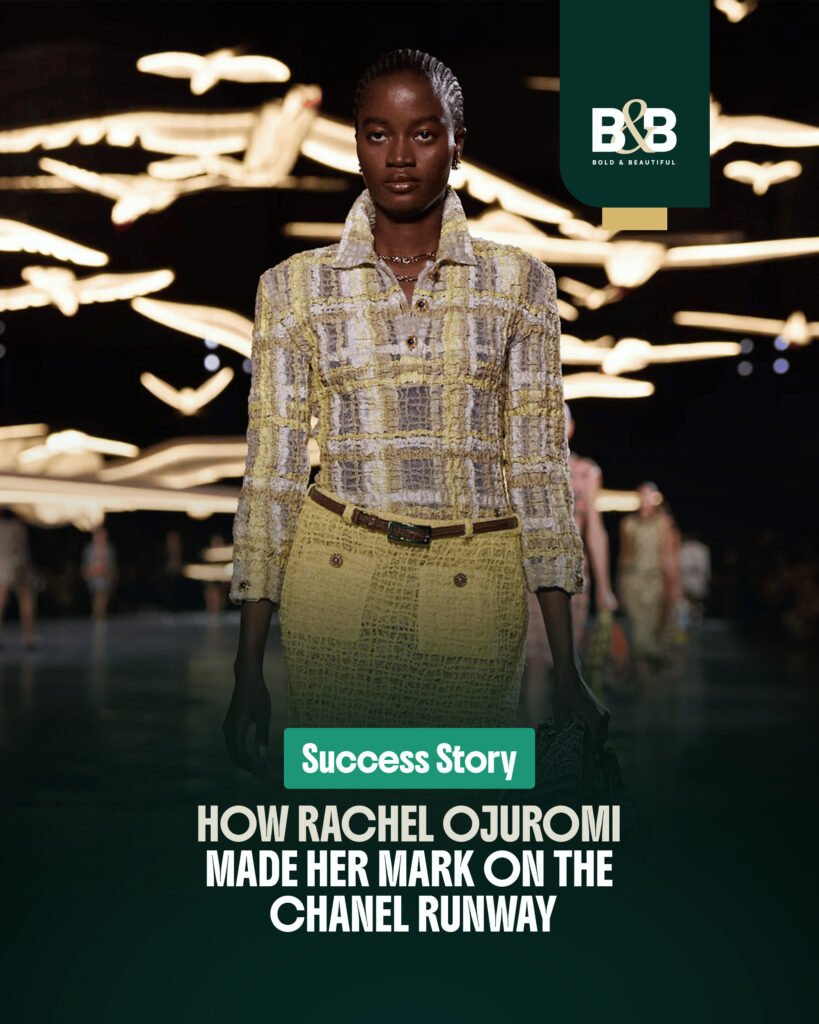
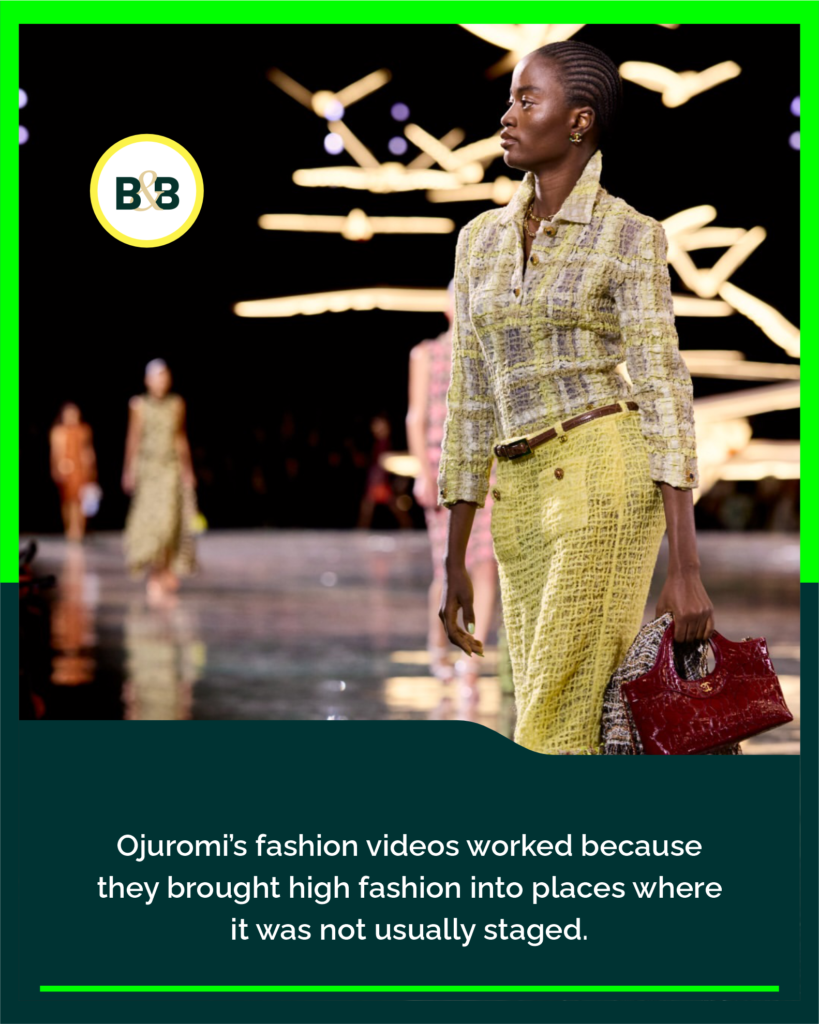
The emotional weight of the debut became clear when Ojuromi recalled the experience of preparing to walk. In an interview with Vogue, she described crying before the show, with people around her offering reassurance as she composed herself. For someone who had watched Chanel presentations from her home in Lagos and imagined what it might feel like to be part of one, the invitation had moved from private ambition into public reality. She walked in a grey-and-yellow tweed ensemble, Look 73, carrying years of imagination into a few minutes on the runway. The moment mattered not because it erased the distance between dreaming and achievement, but because it showed what can happen when creative ambition is given the opportunity to become visible.
There is a wider lesson here for African fashion and the creative economy. International recognition often arrives with questions about where a talent was discovered, as though the person only became interesting once a major institution noticed them. Ojuromi’s journey reverses that framing. She was already creating, styling, filming and building an audience in Lagos before Chanel entered the story. The fashion house provided a significant platform, but it did not invent the creative identity that made the invitation possible. Her debut also draws attention to the collaborators behind a visible success: Fasingha’s styling, Ikpä’s visual work and the creative ecosystem that helped turn individual expression into a recognisable body of work.
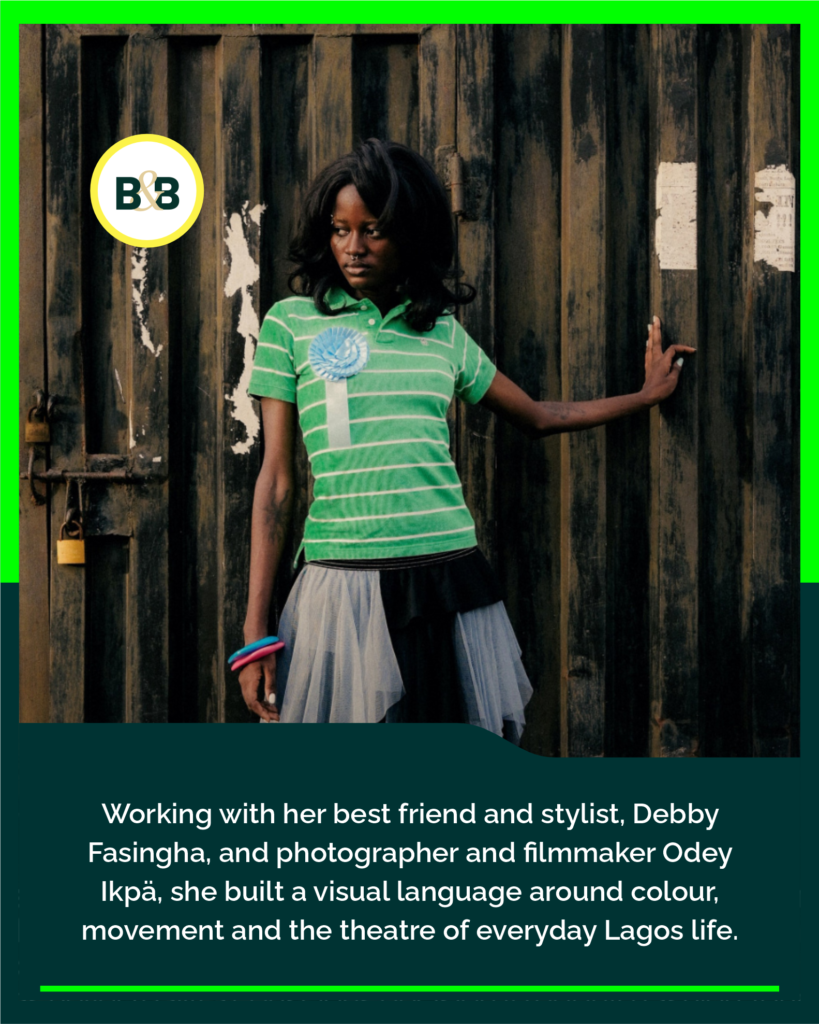
Rachel Ojuromi’s Chanel debut is a milestone, but the more interesting story is what preceded it. She made a runway out of the streets she knew, treated limited resources as a creative constraint rather than a reason to stop, and built a visual identity strong enough to cross continents. Paris gave her a new stage; Lagos had already helped her develop the performance. For young African creatives watching from their own cities, the significance is not that a global fashion house must eventually validate their work. It is that distinctive work can travel, especially when it carries a perspective that could not have come from anywhere else. Ojuromi arrived at Chanel as a debutante. She did not arrive without a point of view.