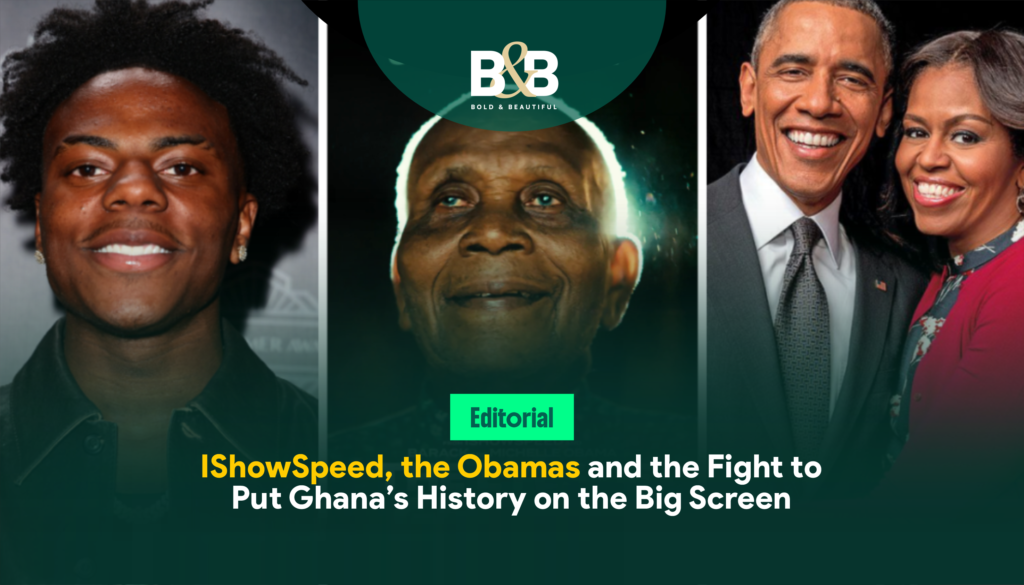
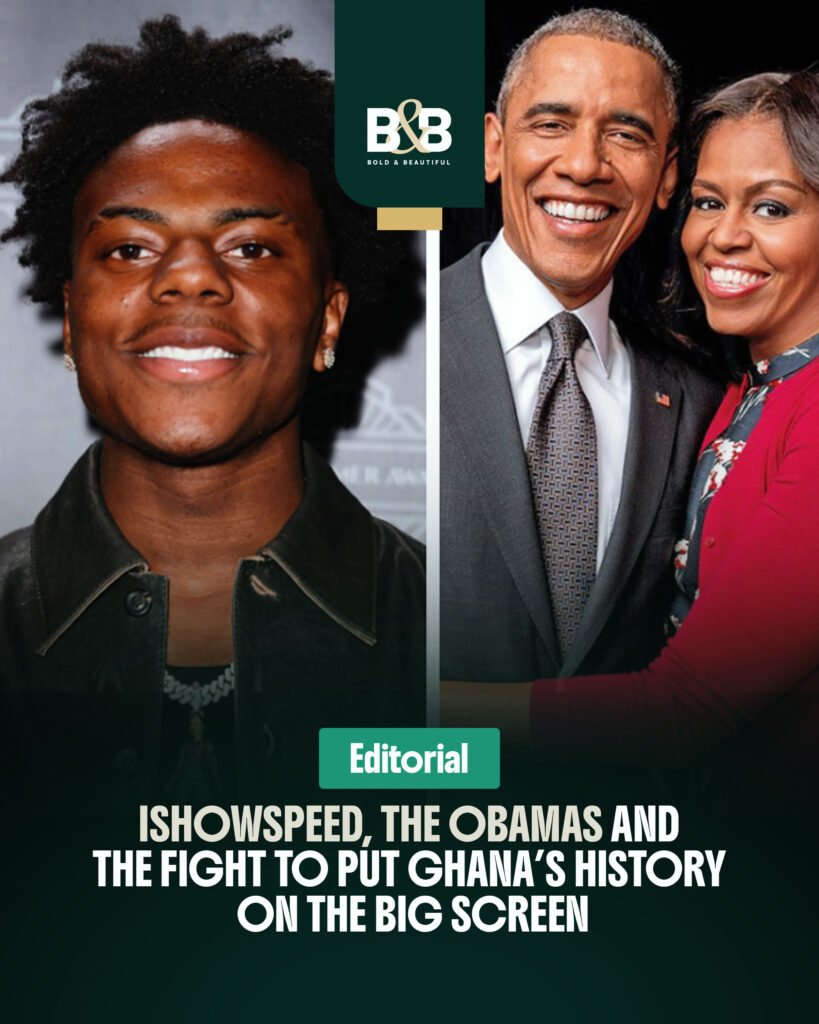
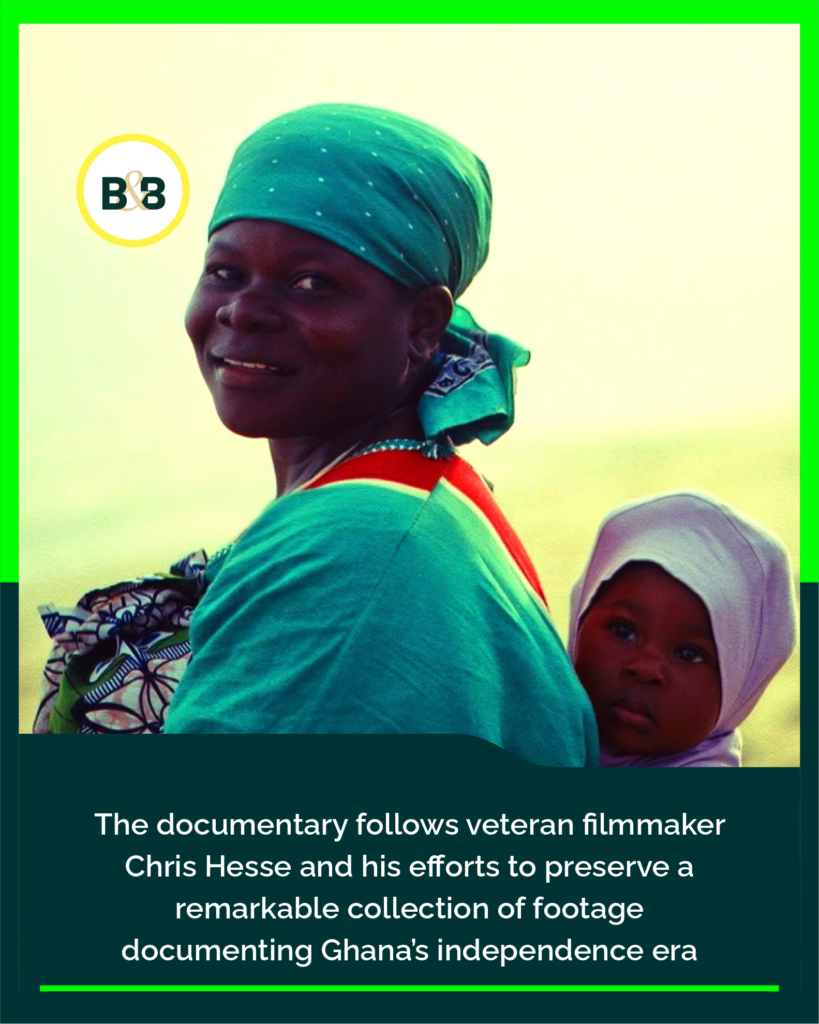
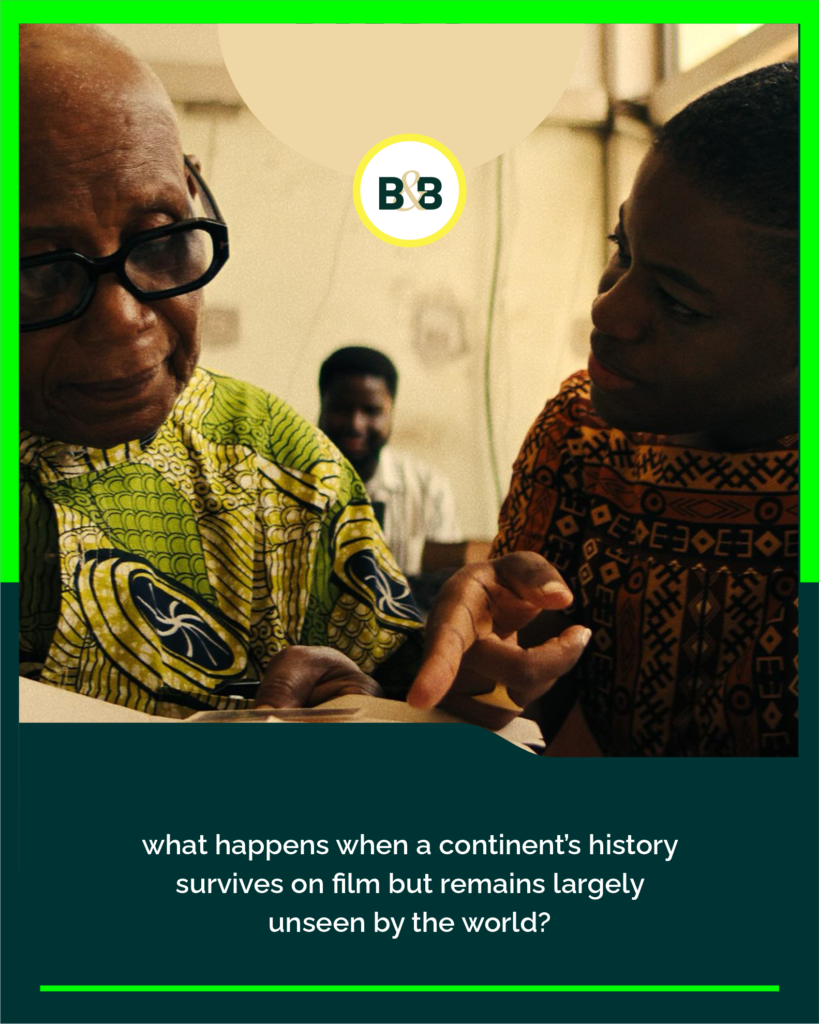
A 21-year-old internet sensation, a former American president and his wife, and a 93-year-old Ghanaian cinematographer might seem like an unlikely team. Yet their paths have converged around a story that deserves far more than a passing moment on social media. Darren Watkins Jr., known globally as IShowSpeed, has joined The Eyes of Ghana as a producer, working alongside Breakwater Studios and Higher Ground Productions, founded by Barack and Michelle Obama. The documentary follows veteran filmmaker Chris Hesse and his efforts to preserve a remarkable collection of footage documenting Ghana’s independence era and the wider African liberation movement. Its North American cinema release on 28 October 2026 brings an urgent question into focus: what happens when a continent’s history survives on film but remains largely unseen by the world?
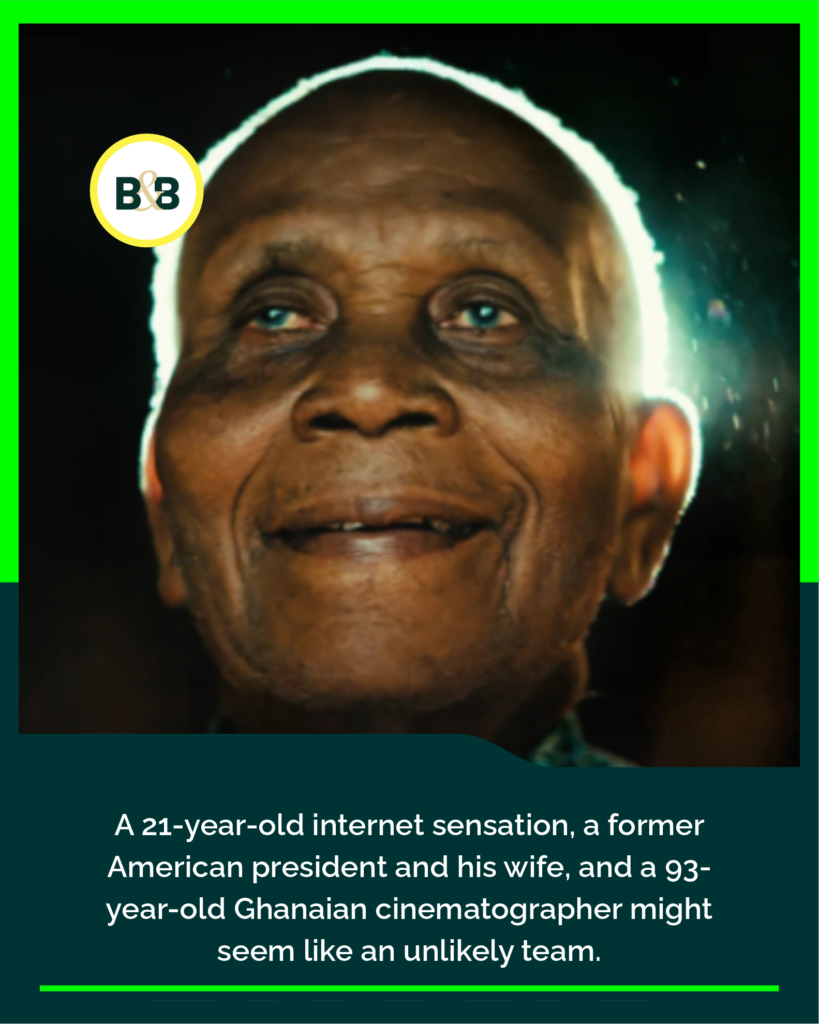
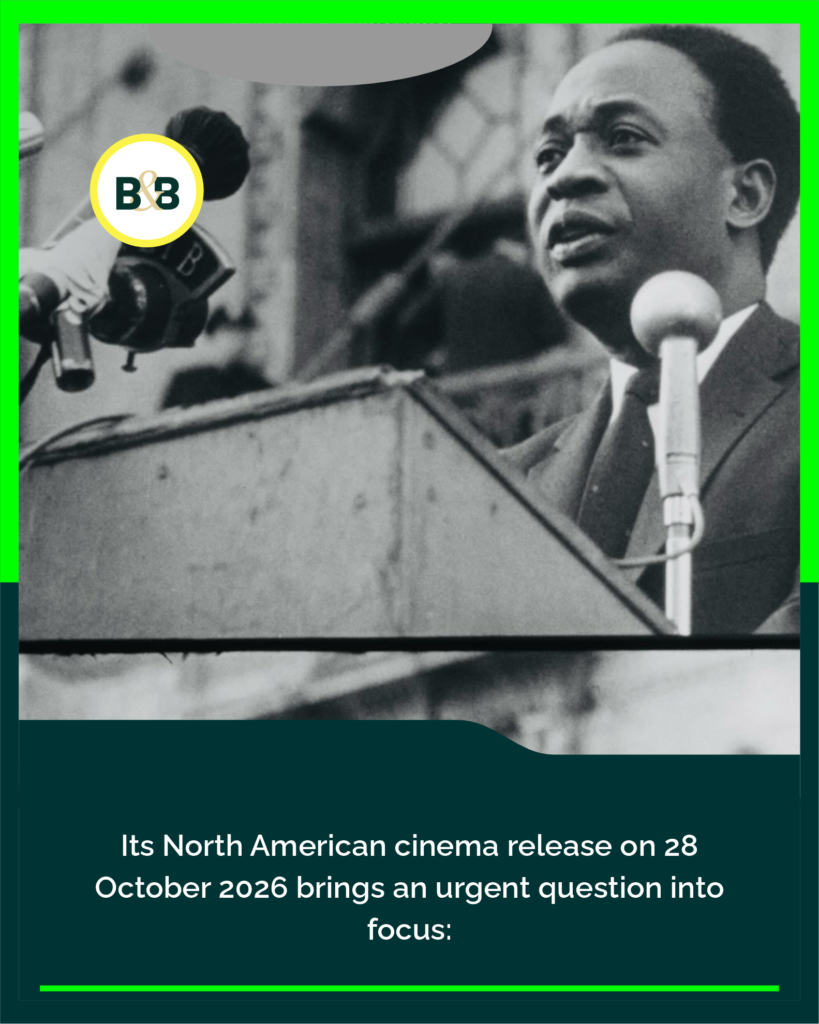
Hesse was not an observer watching history unfold from a safe distance. He served as personal cameraman to Ghana’s first president, Kwame Nkrumah, recording a formative period in which Ghana’s independence carried significance far beyond its borders. The footage captures a country asserting its sovereignty at a time when African nations were challenging colonial rule and imagining new political futures. These images are more than historical illustrations. They are records made by someone close to the people, decisions and public moments that shaped the era. In a world where history is often reconstructed from documents and distant accounts, moving images offer something different: faces, gestures, crowds and places that allow later generations to encounter the past with their own eyes.
When Nkrumah was overthrown in the 1966 coup, the survival of Hesse’s archive became a story of its own. According to the documentary’s account, footage from his years documenting the president faced destruction, but Hesse managed to preserve a substantial collection of film reels. He safeguarded the material for decades, carrying the responsibility of protecting images whose significance would only grow with time. The archive now contains more than a thousand reels documenting Ghana’s history and the struggle for African independence. Its existence challenges the assumption that a nation’s history is safely preserved simply because it happened. Records can be destroyed, scattered, hidden or forgotten. Preservation depends on people who understand what is at stake before the rest of the world catches up.

The documentary, directed by two-time Academy Award winner Ben Proudfoot, follows Hesse as he races against deteriorating eyesight and advancing age to preserve and repatriate the collection. The urgency is painfully human. At 93, he is not simply organising old film; he is trying to ensure that the evidence of a defining historical period survives beyond his lifetime. Every reel carries the possibility of recovering a detail, a face or an event that might otherwise disappear from public memory. The Eyes of Ghana turns archival preservation into a story about time, responsibility and inheritance. It asks what a country owes the people who documented its past, and what future generations lose when those records remain inaccessible.
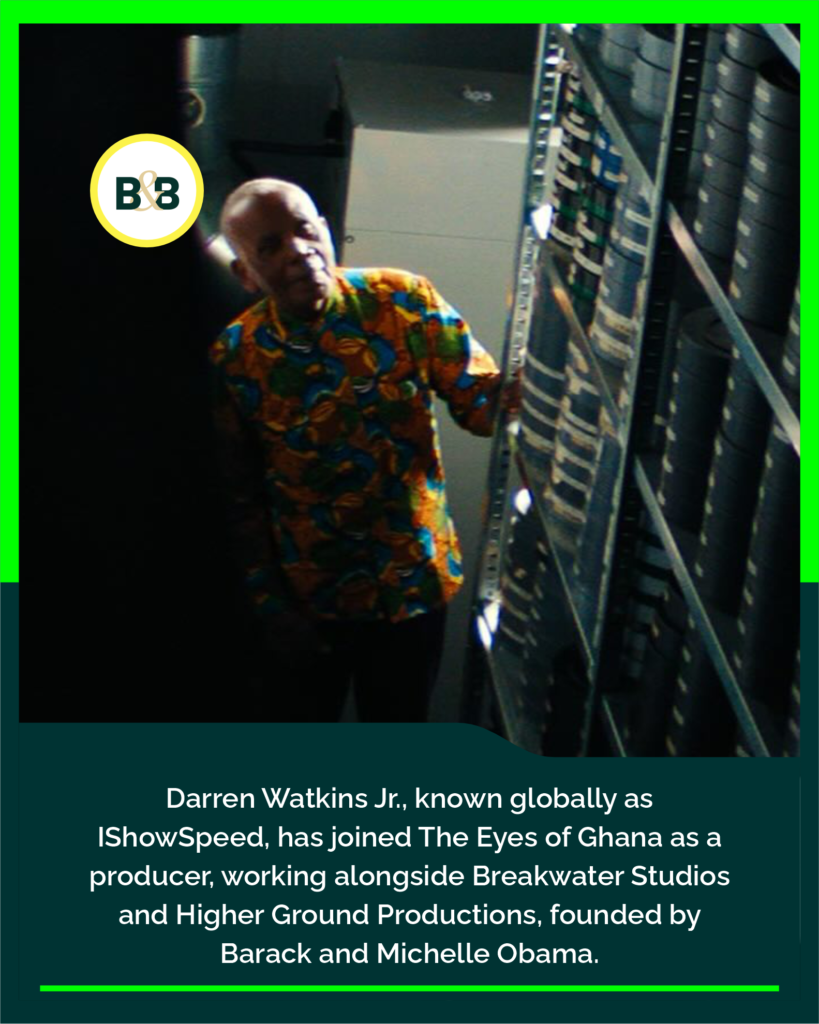
IShowSpeed’s involvement gives the project an unusual route to audiences. His fame was built through livestreams, spontaneous reactions, gaming and an energetic online persona that can reach millions without the traditional machinery of television or film distribution. His visit to Ghana earlier in 2026 deepened his interest in the country, and he subsequently joined the documentary as a producer. The significance is not that a popular streamer has suddenly become the authority on Ghanaian history. It is that he can introduce a film about that history to people who might never search for a documentary about African independence. His audience offers a potential bridge between internet culture and historical cinema, provided the attention leads viewers towards the story itself.
The partnership with Higher Ground adds another layer. Through their production company, Barack and Michelle Obama have supported projects that bring consequential people and underrepresented perspectives to wider audiences. Their involvement in The Eyes of Ghana, alongside IShowSpeed and Breakwater Studios, places Hesse’s work within a production effort with international reach. The documentary had already premiered at the Toronto International Film Festival in 2025 and screened at other festivals before the new cinema release was announced. The October event is scheduled for participating cinemas in the United States and Canada. Screenings in Ghana and the United Kingdom had not been announced at the time of publication. The ambition to widen access is clear, but the long-term value will depend on how successfully the film reaches the people whose history it preserves.
For Ghana and the wider African film industry, the project also exposes an uncomfortable imbalance. African history has often travelled internationally through accounts produced, selected or interpreted by outsiders, while the work of African photographers, filmmakers and archivists has received less attention. Hesse’s archive offers a different starting point: images recorded by a Ghanaian who stood close to a pivotal period in his country’s development. Preserving such material is only the first task. Making it accessible to schools, researchers, filmmakers and ordinary citizens is what allows an archive to become part of public life. This is where the story extends beyond a single documentary. Africa needs stronger systems for protecting its visual heritage, supporting its archivists and giving its own historical records sustained life in classrooms, cinemas and digital collections.
The most important legacy of The Eyes of Ghana may therefore be what happens after audiences leave the cinema. IShowSpeed’s involvement could bring new viewers to a history they did not know they needed to see. The Obamas’ backing and Proudfoot’s filmmaking can help carry Hesse’s work into wider circulation. But the archive’s ultimate purpose is larger than the names attached to the production. It is to ensure that Ghana’s independence story, and the wider African struggle it formed part of, remains available to generations who were not there to witness it. Virality can make people look. Cinema can hold their attention. Preserved history gives them something worth remembering.