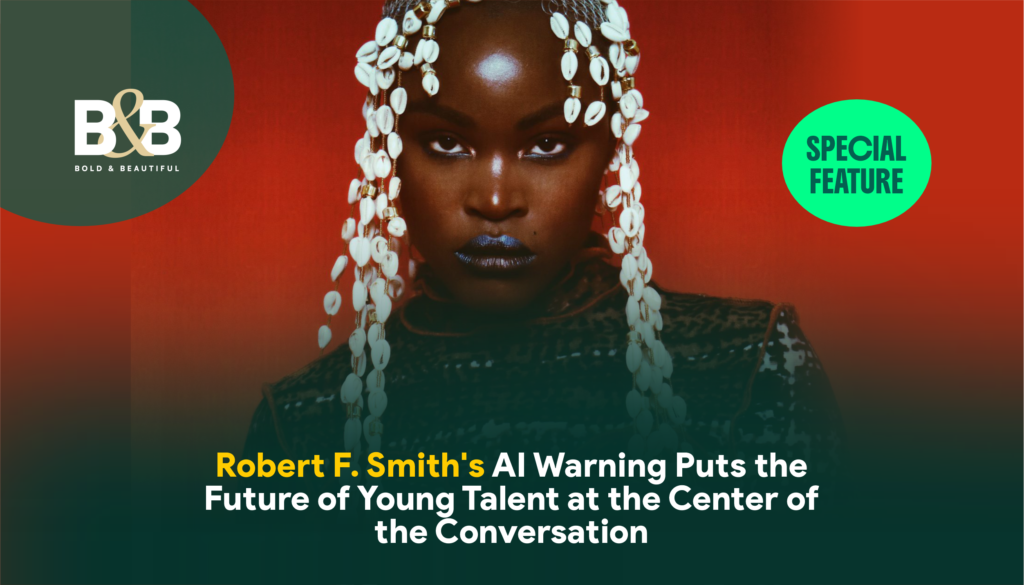
Some artists become successful by fitting comfortably into a genre. Pongo has built her career by refusing that approach. The Angolan-born, Portugal-based singer has quietly assembled one of the most distinctive catalogues in contemporary African music, combining Kuduro, electronic production, Afro-pop and global dance influences into a sound that feels unmistakably her own. Yet, despite critical acclaim across Europe and appearances at major international festivals, she remains surprisingly underappreciated across much of the African continent.
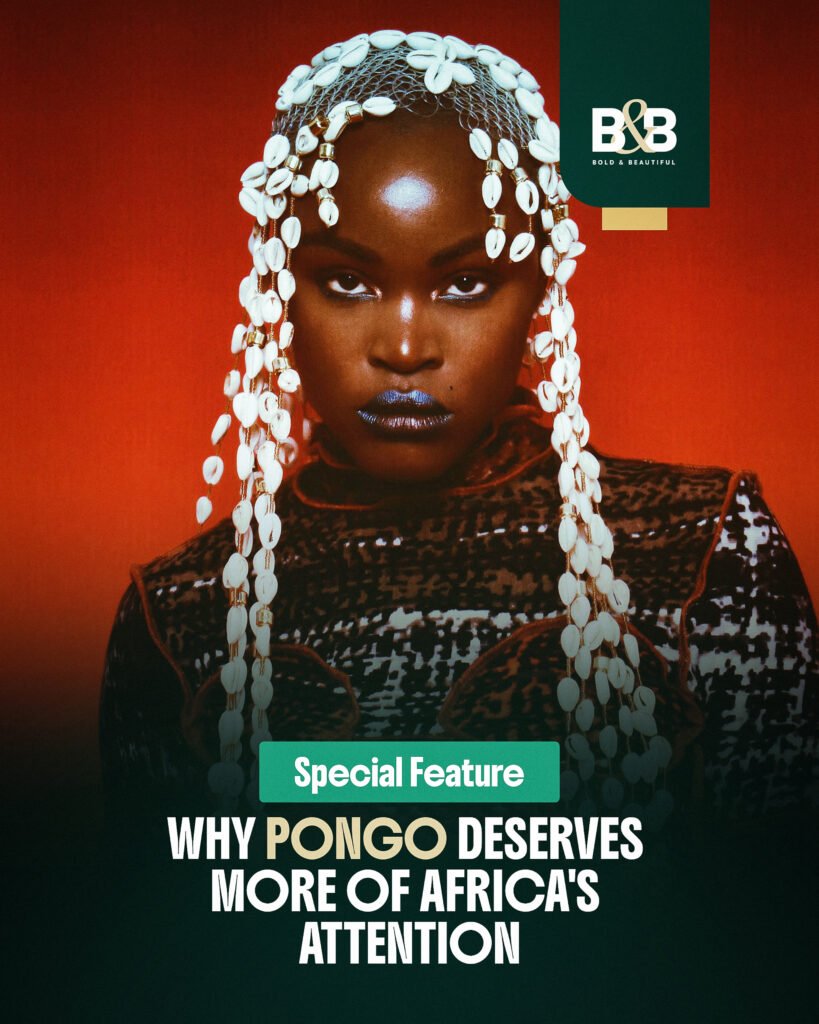
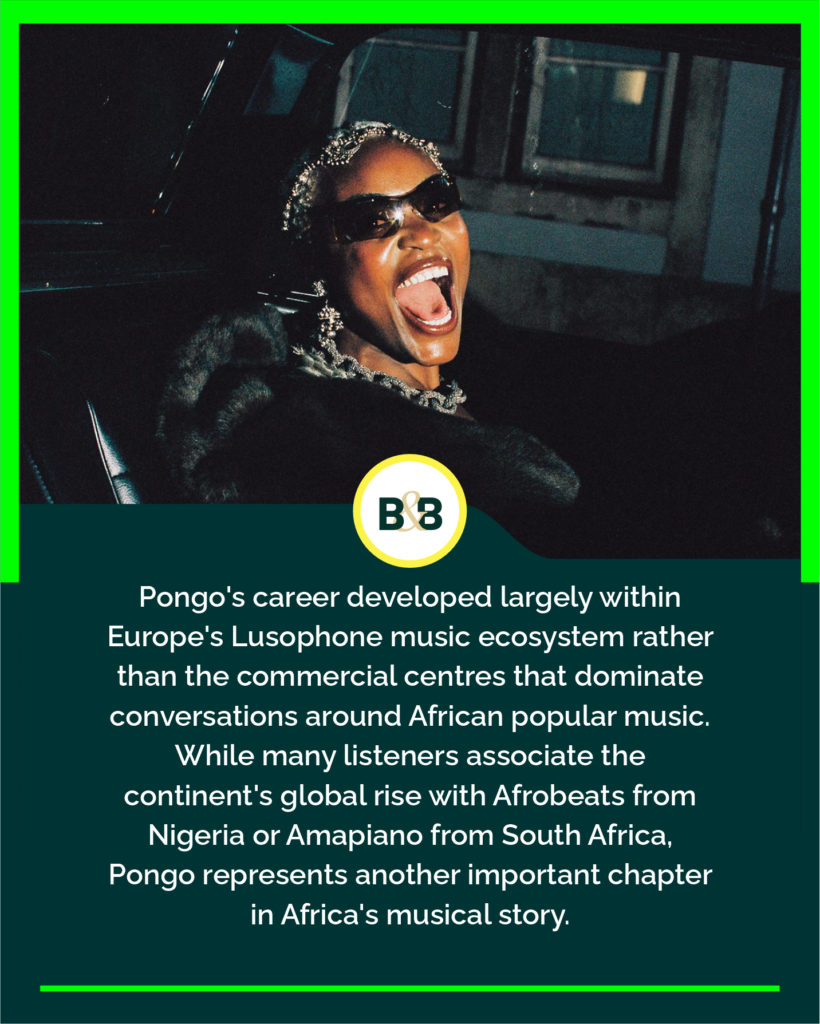
Part of that disconnect stems from geography. Pongo’s career developed largely within Europe’s Lusophone music ecosystem rather than the commercial centres that dominate conversations around African popular music. While many listeners associate the continent’s global rise with Afrobeats from Nigeria or Amapiano from South Africa, Pongo represents another important chapter in Africa’s musical story. Her work draws heavily from Angola’s Kuduro movement, a genre born from resilience, movement and urban expression, while embracing contemporary electronic music without losing its cultural identity.
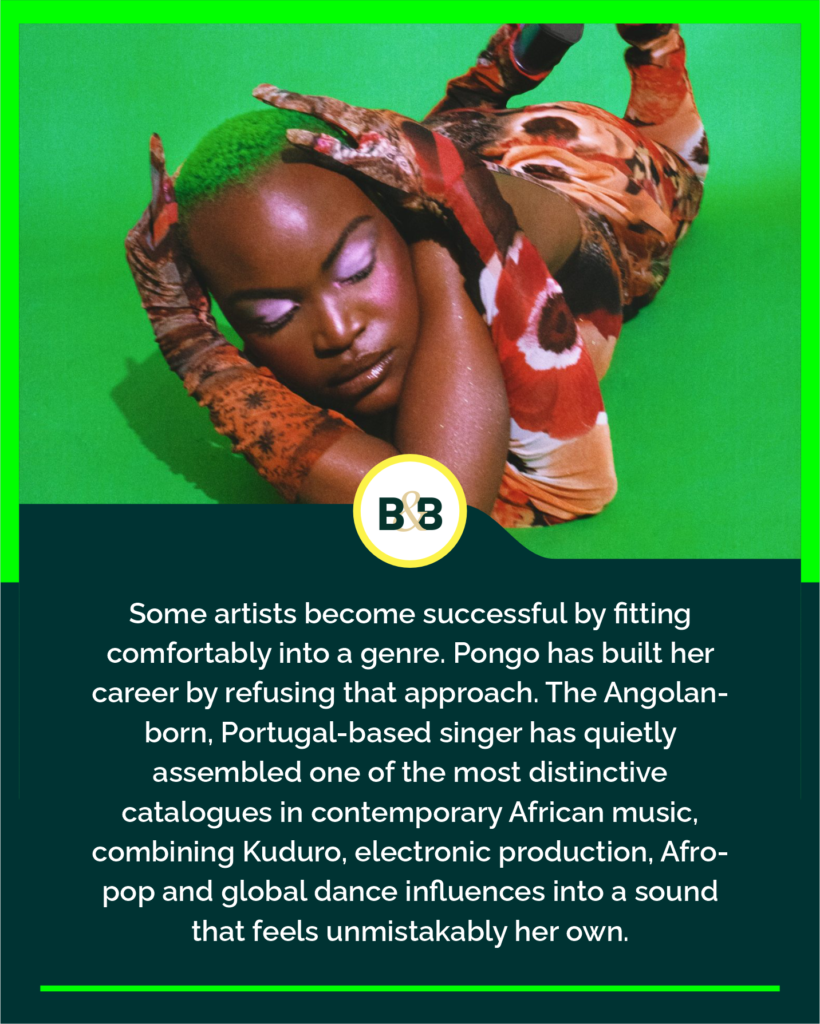
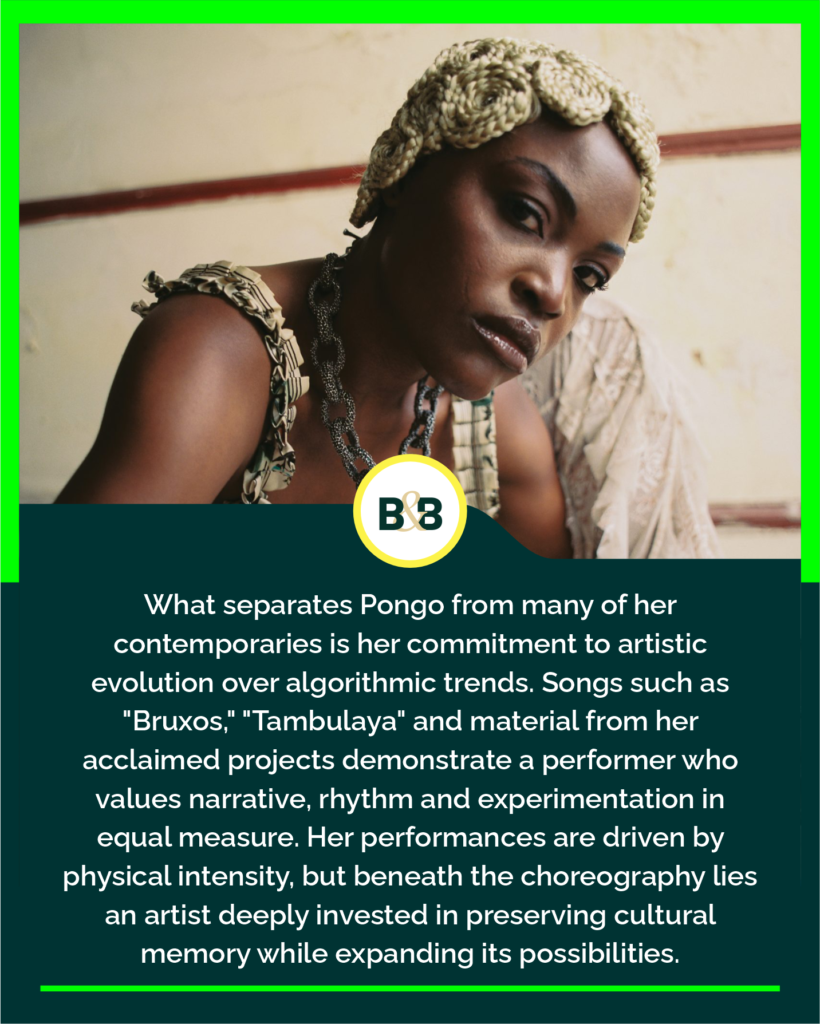
What separates Pongo from many of her contemporaries is her commitment to artistic evolution over algorithmic trends. Songs such as “Bruxos,” “Tambulaya” and material from her acclaimed projects demonstrate a performer who values narrative, rhythm and experimentation in equal measure. Her performances are driven by physical intensity, but beneath the choreography lies an artist deeply invested in preserving cultural memory while expanding its possibilities. Every release reinforces the idea that African music can be globally ambitious without becoming culturally diluted.
There is also a broader conversation worth having about visibility. Africa’s music industry has made remarkable progress over the past decade, yet the spotlight often falls on a relatively small group of artists and markets. Musicians working across Portuguese, French and other linguistic communities continue to receive less continental attention despite producing work of exceptional quality. Pongo belongs to a generation of creatives whose careers challenge narrow definitions of what African music sounds like and where its future is being shaped.
Pongo deserves greater recognition because she embodies the creative confidence that defines African music at its best. She does not chase familiarity or replicate prevailing formulas. She expands the conversation through originality, cultural authenticity and fearless experimentation. As African audiences continue embracing artists who push creative boundaries, Pongo stands out as a musician whose influence deserves to travel much further across the continent she continues to represent with conviction.