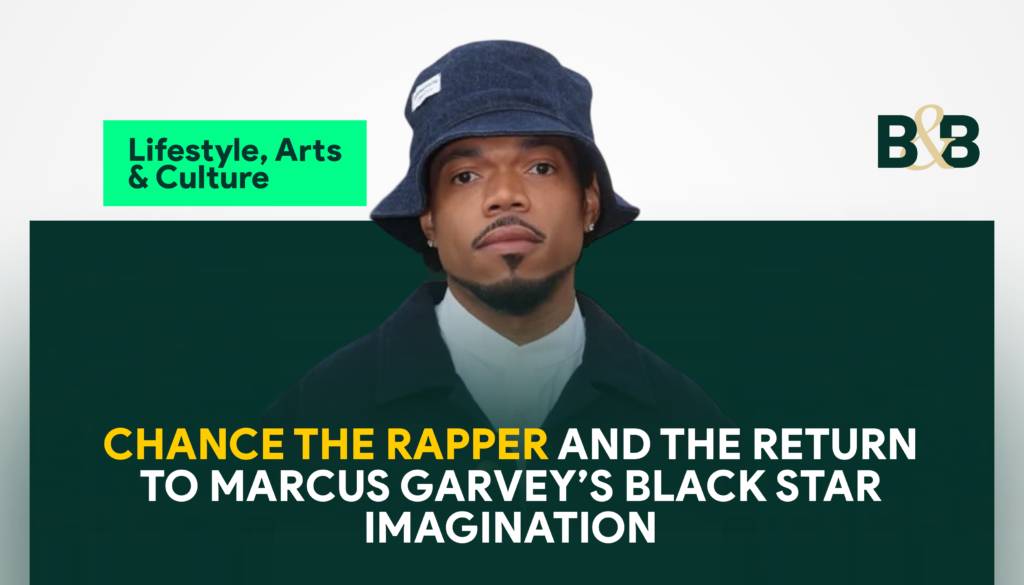
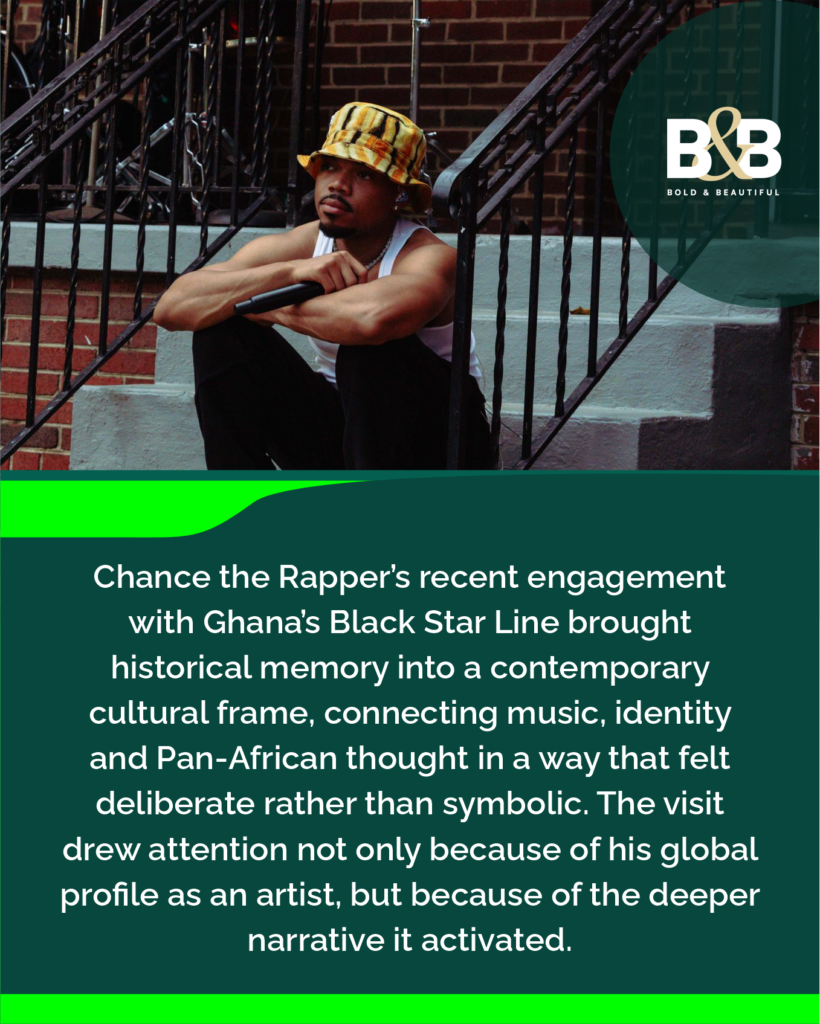
Chance the Rapper’s recent engagement with Ghana’s Black Star Line brought historical memory into a contemporary cultural frame, connecting music, identity and Pan-African thought in a way that felt deliberate rather than symbolic. The visit drew attention not only because of his global profile as an artist, but because of the deeper narrative it activated. Marcus Garvey’s vision of a unified, self-determined African diaspora has lived for decades as both history and philosophy. Through modern cultural platforms like Ghana’s Black Star Line initiative, that vision is being reinterpreted for a new generation.
The original Black Star Line, founded by Marcus Garvey in the early twentieth century, was conceived as a shipping enterprise that would connect Black communities across the Atlantic and strengthen economic independence. While its historical lifespan was short, its ideological impact endured far beyond its operational years. The Black Star remains one of the most recognizable symbols of Pan-African identity, and Ghana’s adoption of the name for national symbolism and cultural revival projects reflects that legacy. Within that context, Chance the Rapper’s presence carried cultural weight, placing a contemporary artist inside a narrative shaped by political thought, diaspora memory and historical ambition.
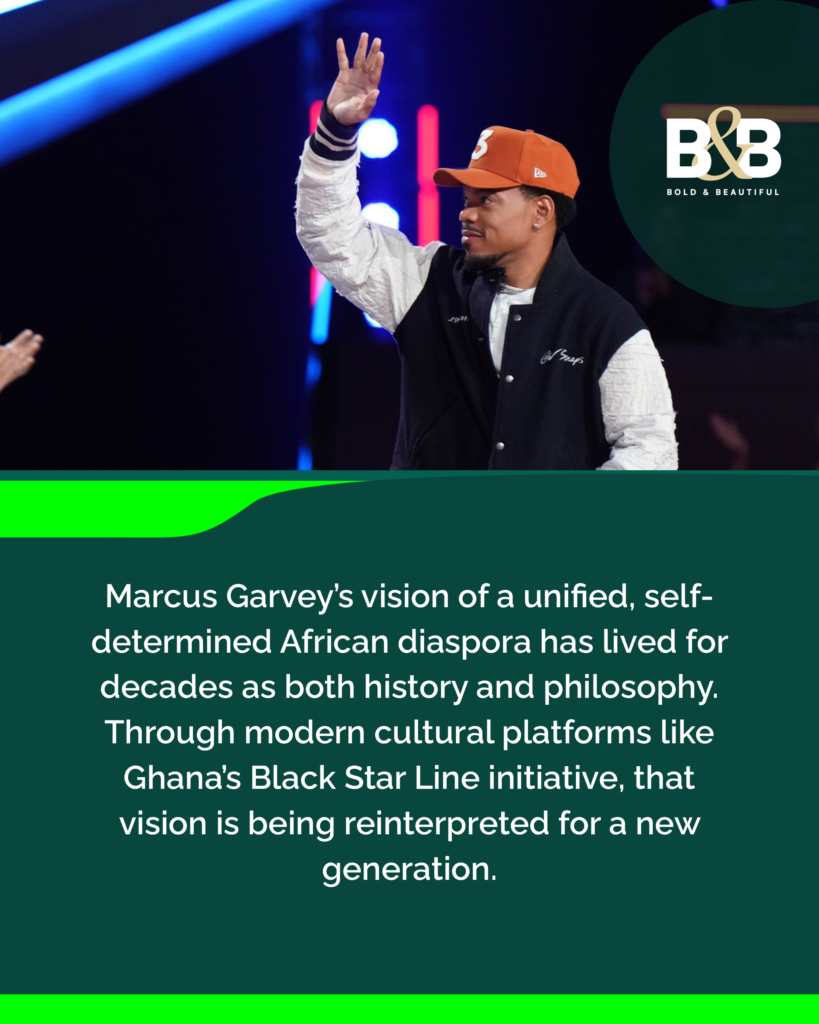
His engagement with the initiative reflected a growing pattern among artists who are increasingly moving beyond performance into cultural participation. For many in the global African diaspora, Ghana has become a focal point for reconnection, heritage exploration and cultural dialogue. The Black Star Line concept today functions less as a literal shipping vision and more as a symbolic bridge between Africa and its global diaspora. It represents commerce, culture, migration and shared identity, all intersecting in ways that Marcus Garvey once articulated in ideological form.
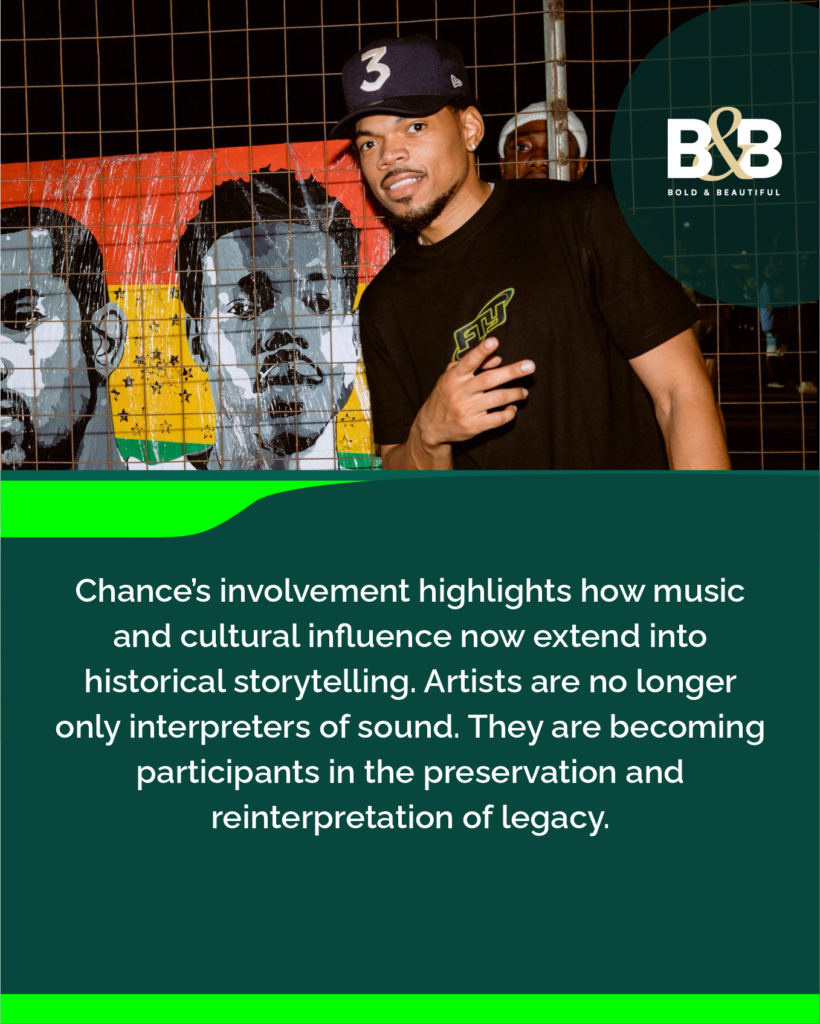
Chance’s involvement highlights how music and cultural influence now extend into historical storytelling. Artists are no longer only interpreters of sound. They are becoming participants in the preservation and reinterpretation of legacy. His presence in Ghana placed contemporary hip-hop within a broader conversation about return, belonging and cultural responsibility. It also reinforced how African nations are actively shaping the terms of diaspora engagement, positioning themselves as cultural anchors rather than distant reference points.
What emerges from this moment is a layered dialogue between past vision and present reality. Marcus Garvey’s ideas continue to resonate not as static history but as evolving inspiration. The Black Star Line, whether viewed as memory or modern metaphor, remains a powerful reference point for Pan-African imagination. Chance the Rapper’s engagement adds another chapter to that story, one that sits at the intersection of art, identity and historical continuity, where culture becomes both archive and active conversation.