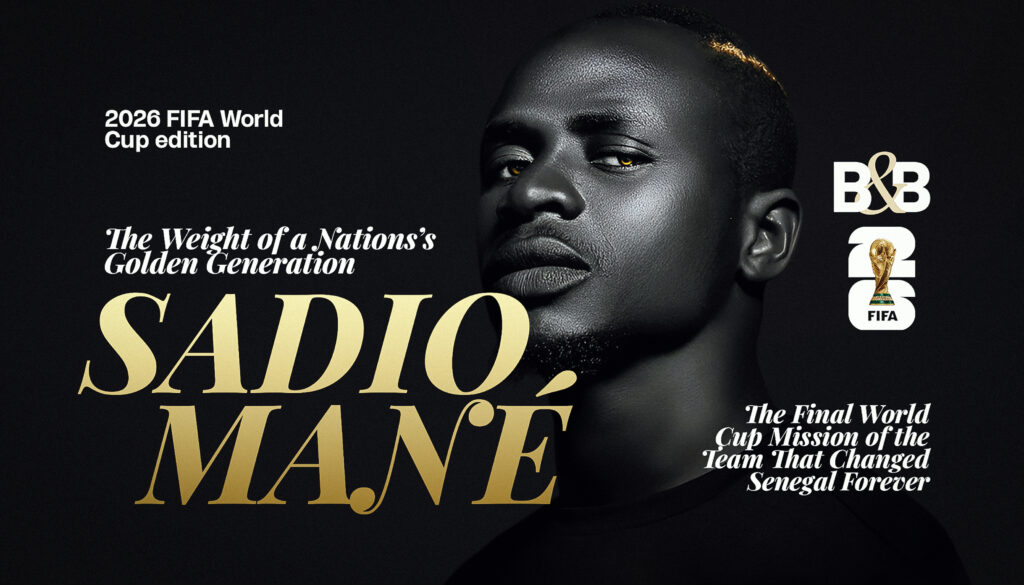
The Final World Cup Mission of the Team That Changed Senegal Forever
Some footballers spend their careers chasing trophies.
Others spend their careers building history.
Sadio Mané has done both.
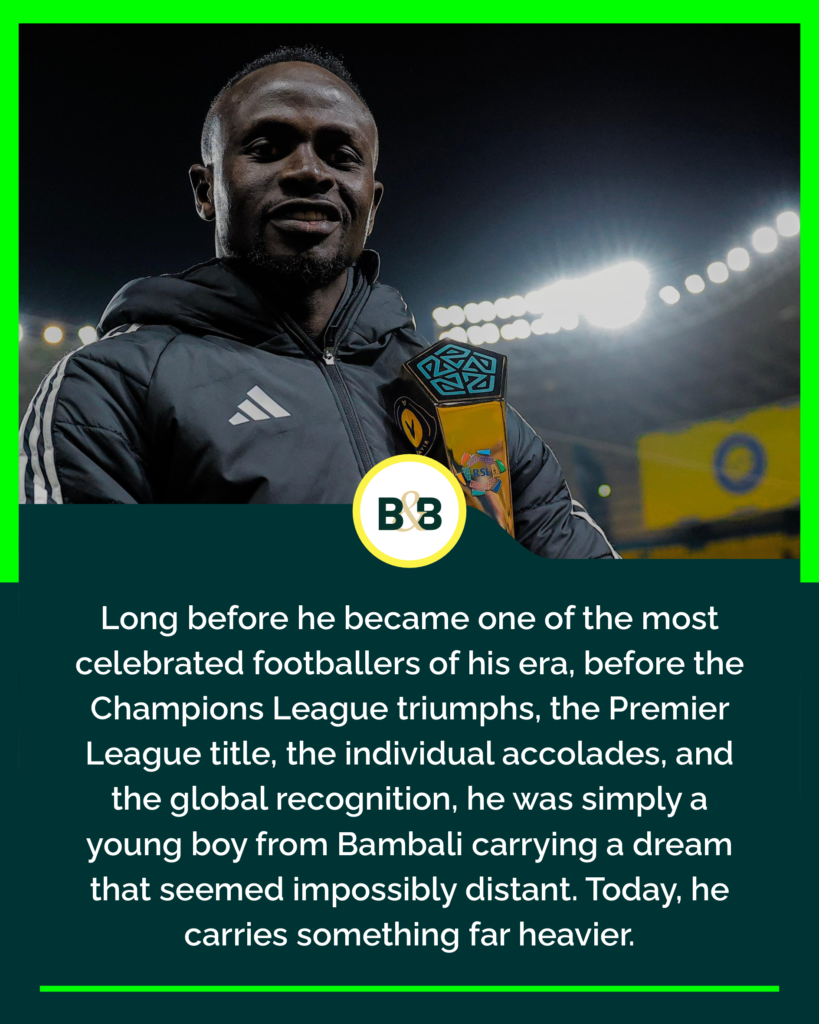
Long before he became one of the most celebrated footballers of his era, before the Champions League triumphs, the Premier League title, the individual accolades, and the global recognition, he was simply a young boy from Bambali carrying a dream that seemed impossibly distant.
Today, he carries something far heavier.
A generation.
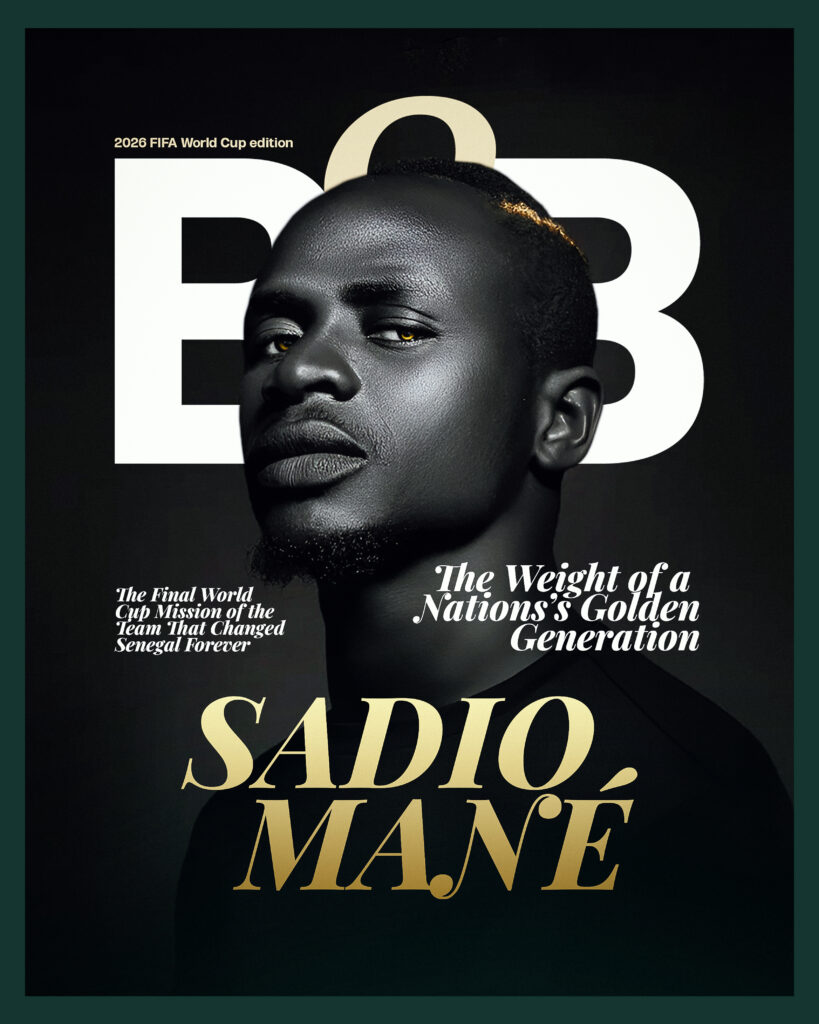
As the FIFA World Cup 2026 approaches, Mané stands at a remarkable crossroads in football history. At 34, he belongs to a group of players who have already transformed Senegal from a respected African football nation into one of the continent’s defining modern powers.
This is the generation that fulfilled promises.
The generation that ended decades of waiting.
The generation that delivered Senegal’s first-ever Africa Cup of Nations title.
The generation that elevated Senegal from possibility to reality.
And now, perhaps, the generation preparing for its final chapter.
That is what makes World Cup 2026 so emotionally significant to these Sadio Mane-led Senegalese team.
This tournament is no longer about arrival.
Senegal arrived years ago.
This is about inheritance.
About what remains after the final whistle.
About how history will remember the men who forever altered the trajectory of Senegalese football.
For much of its modern football story, Senegal lived in the shadow of one unforgettable moment.
The extraordinary team of 2002.
The squad that stunned the world by defeating reigning champions France and reaching the World Cup quarter-finals.
For years, that achievement stood as both inspiration and burden.
Every generation that followed was measured against it.
Every talented player carried its shadow.
Every tournament revived comparisons.
The question lingered relentlessly.
Could Senegal ever produce a generation capable of surpassing its most famous pioneers?
Mané and his teammates answered that question.
Not with words.
With achievements.
By winning AFCON.
By consistently qualifying for major tournaments.
By producing world-class talent across every position.
By turning Senegal into a permanent fixture among football’s elite nations.
Yet one challenge remains unresolved.
The World Cup.
Not qualification.
Not participation.
Impact.
For all their accomplishments, this golden generation still seeks the defining World Cup campaign that fully reflects its stature.
That unfinished business is what brings them to 2026.
Because legacy, especially in international football, is often measured on the grandest stage.
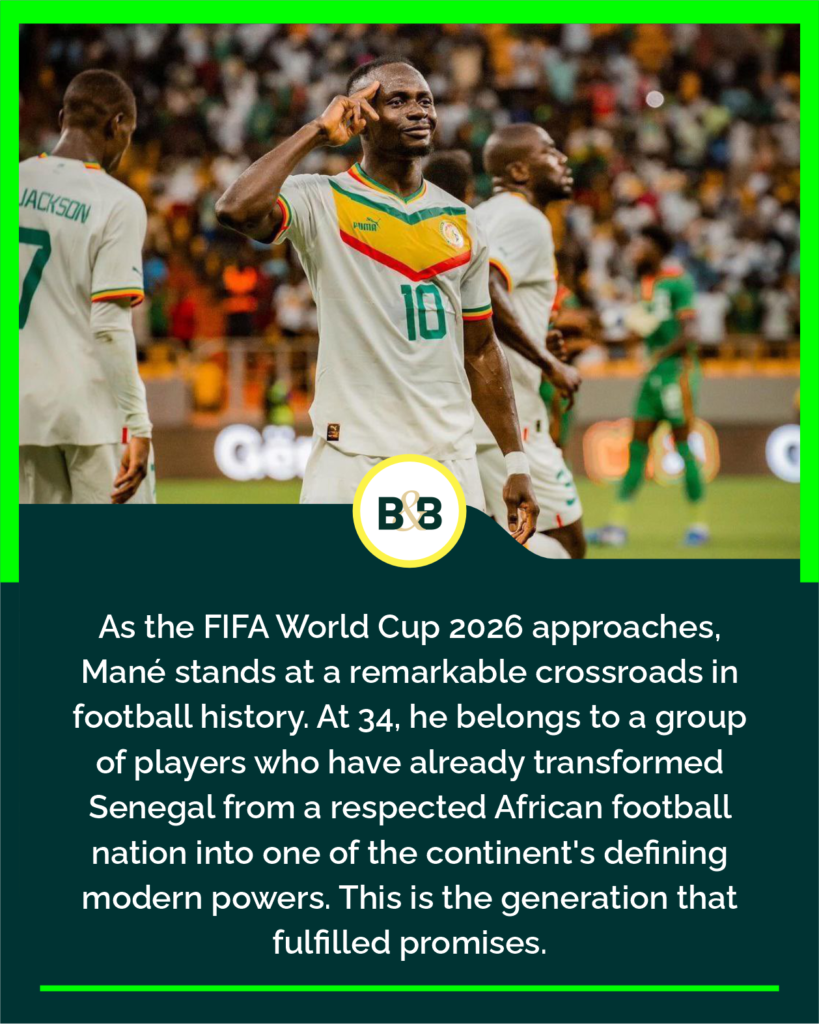
This World Cup represents something profoundly different from previous tournaments.
For younger stars, World Cups are opportunities.
For veterans, they become reflections.
A moment to look back at the road travelled and forward toward the mark they will leave behind.
For Mané, this may be the culmination of a life’s work that began in rural Senegal and grew into one of African football’s most inspiring journeys.
But this story extends beyond one player.
It is about a generation carrying the collective dream of a nation.
A nation that no longer wants to be remembered solely for its potential.
A nation that believes it belongs among football’s most influential forces.
A nation whose football identity has evolved from hopeful challenger to genuine contender.
That is the historical burden resting on Mané’s shoulders.
Not the burden of proving Senegal matters.
That battle has already been won.
The burden of proving that this era deserves permanent recognition among the greatest generations African football has ever produced.
And perhaps that leads to the deeper question at the heart of this World Cup journey.
What defines greatness?
Is it silverware?
Is it rankings?
Is it records?
Or is it transformation?
Because there are generations that win trophies.
And there are generations that change a country’s future.
The Senegal of today is not the Senegal that Mané entered as a young footballer.
Youth academies believe more.
Young players dream bigger.
Communities invest deeper.
The pathway from village football to global success no longer feels impossible.
That transformation may ultimately become this generation’s greatest victory.
Even if they never lift the World Cup trophy.
Even if they never stand atop football’s highest podium.
Their participation in 2026 could still become historically significant.
A powerful final statement from the architects of modern Senegalese football.
A passing of the torch to the next generation.
And it would be on record that African football’s story is not built solely on champions, but on pioneers who expand what future champions believe is possible.
For Sadio Mané, that may be the true meaning of this World Cup.
Not one last opportunity to prove himself.
His greatness is already secure.
Not one final attempt to earn recognition.
The world has already recognized him.
Instead, it is an opportunity to complete a national story.
To honour the generation that carried Senegal to unprecedented heights.
To ensure that when history remembers African football in the first quarter of the 21st century, the story of Senegal’s golden generation occupies its rightful place.
And perhaps that is the ultimate mission.
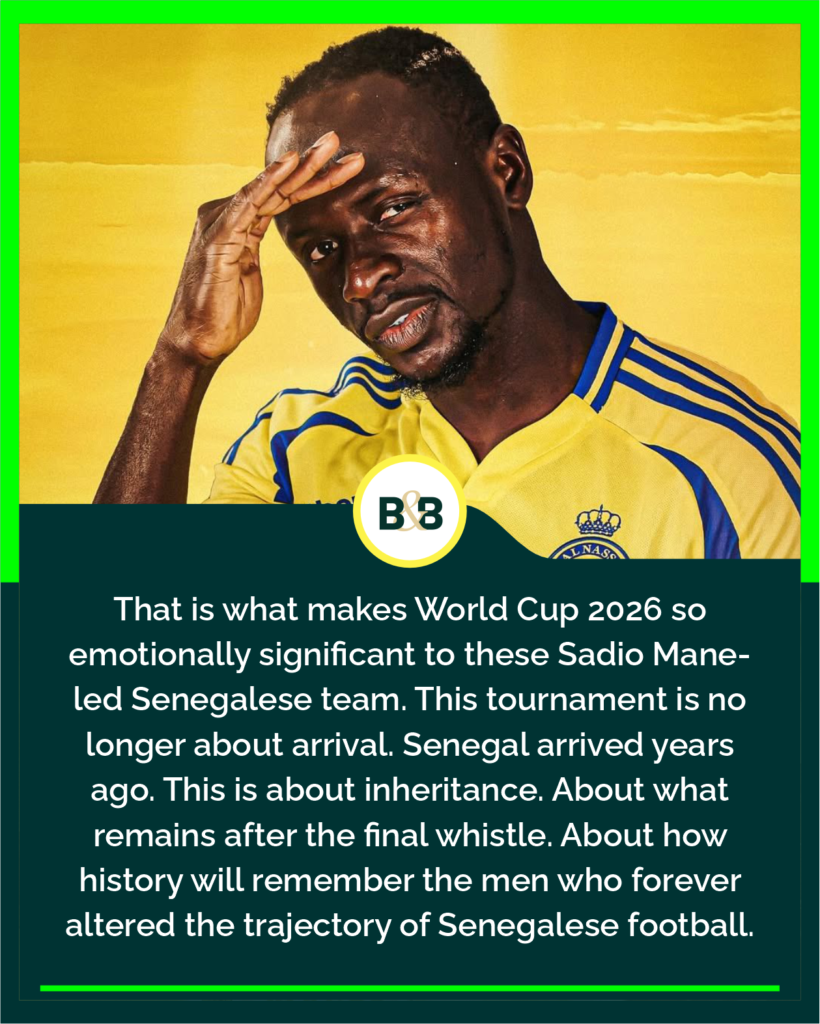
Not simply to win.
But to leave behind a standard.
A legacy.
A blueprint.
A belief.
Because years from now, when future Senegalese stars walk onto the World Cup stage, they will do so knowing that a generation led by Sadio Mané transformed ambition into expectation.
That they inherited not just a dream, but a destination.
And that is the weight and the privilege, of a nation’s golden generation.