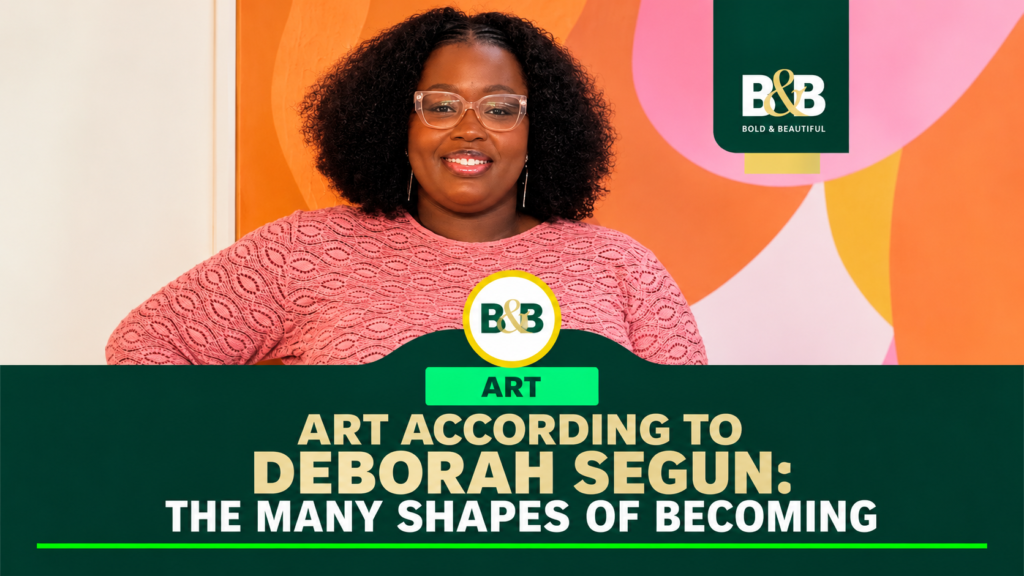
A woman sits in contemplation. Her figure appears familiar, yet something about it resists recognition. Her limbs may be elongated, her proportions rearranged, her face assembled from shapes that seem to belong to several perspectives at once. The colours are vivid, but the mood is not necessarily loud. There is a quietness in the scene, as though the subject has withdrawn from the demands of being seen to spend time with herself. This is part of the visual language of Nigerian artist Deborah Segun, whose paintings invite viewers to reconsider how women look, feel and occupy space.
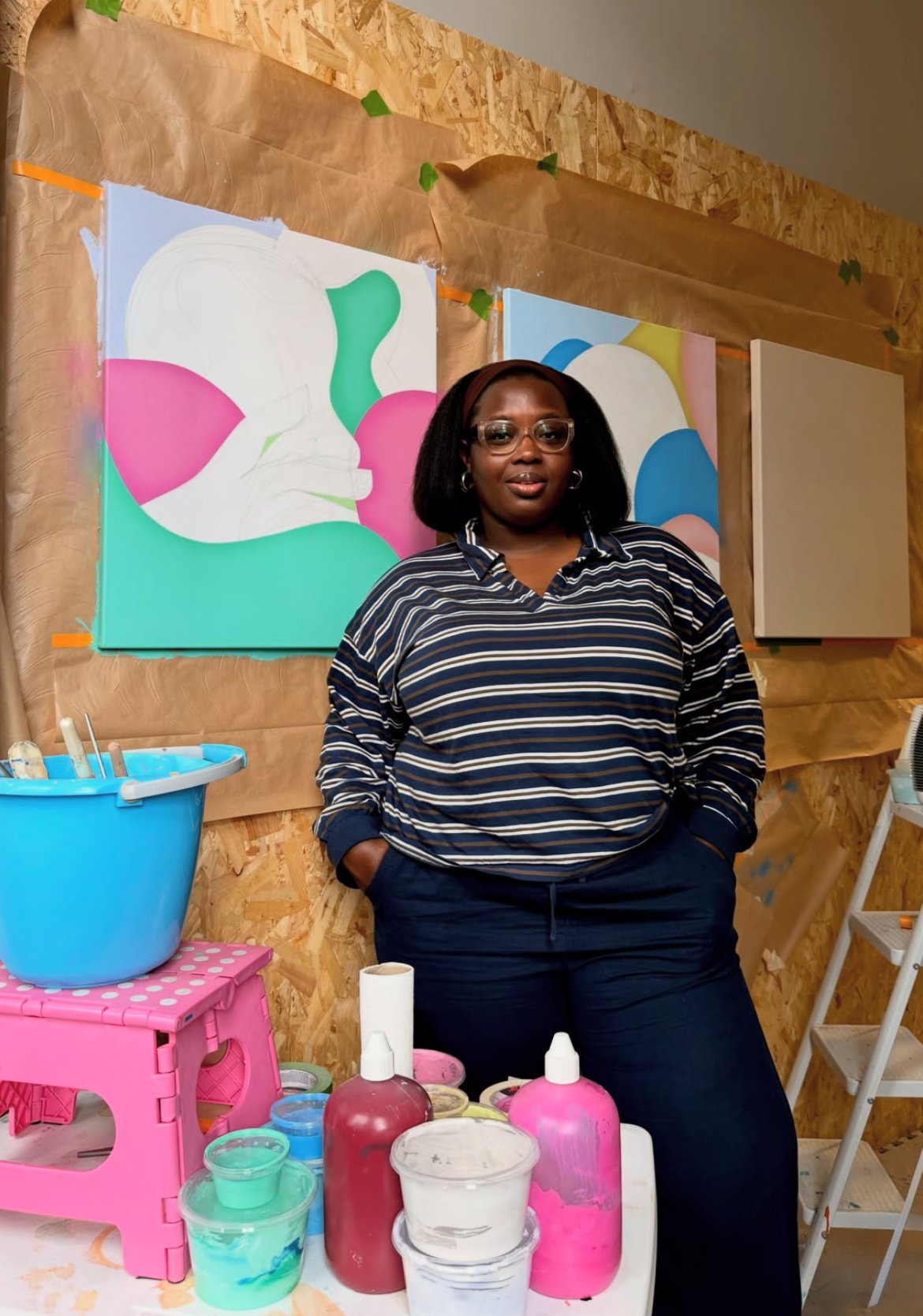
Segun works between abstraction and Cubism, using fragmented forms, exaggerated silhouettes and simplified details to construct figures that are recognisably human without being bound by conventional representation. Her approach gives the female body room to change shape, sometimes appearing fuller, softer or more angular than the eye expects. Rather than pursuing anatomical accuracy, she is interested in what a rearranged figure can communicate. A face becomes an arrangement of emotions; a body becomes a record of experience. Her compositions hold several ways of seeing a person within a single image.
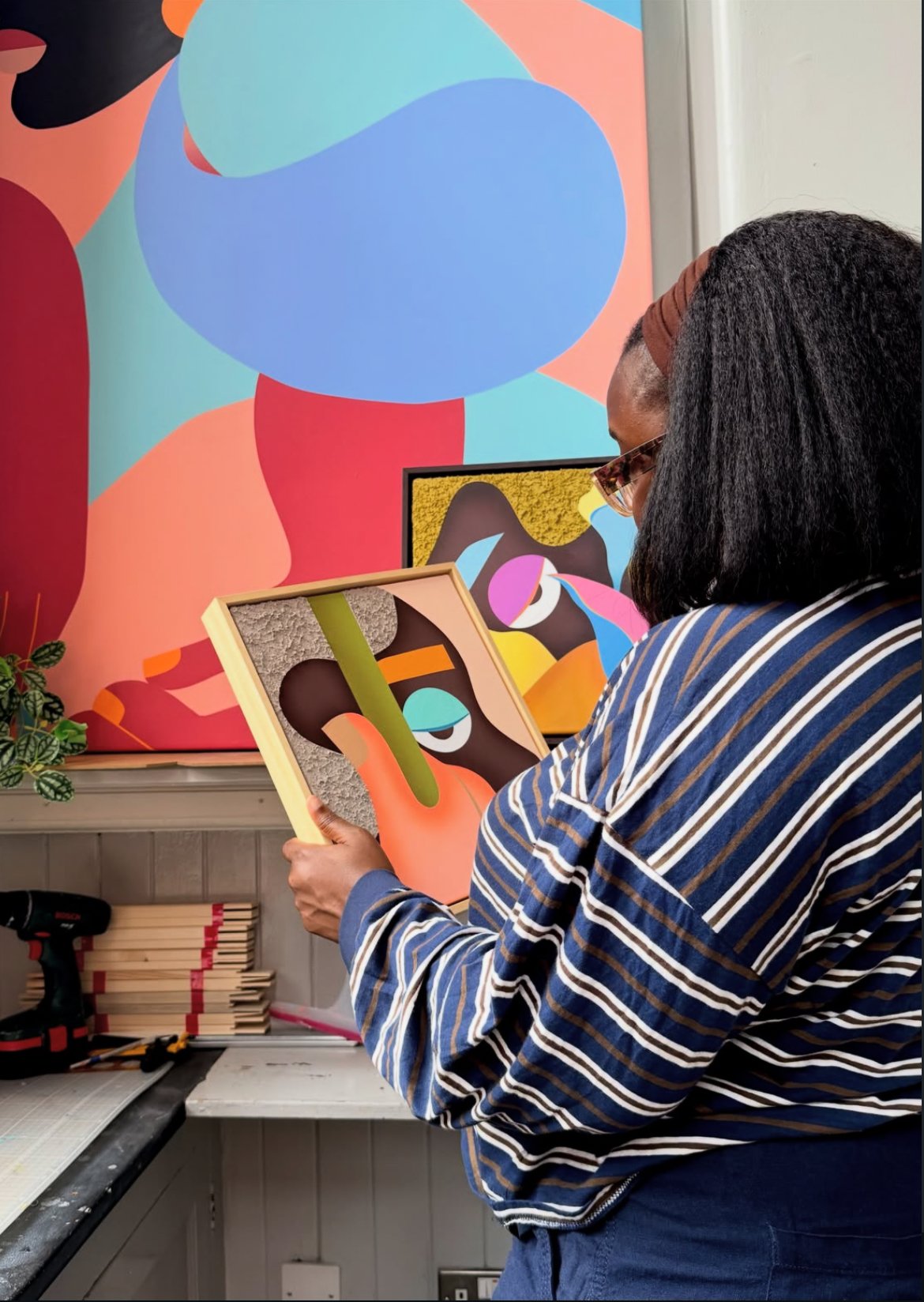
There is an art-historical conversation running through this work. For centuries, women’s bodies have been depicted through the eyes, expectations and ideals of others. The female nude, from prehistoric figurines such as the Venus of Willendorf to the fractured perspectives of Pablo Picasso, has carried ideas about beauty, desire, fertility and power. Yet Black women have often been marginalised or inadequately represented within the histories and institutions that shaped these traditions. Segun enters this conversation through a different proposition. She does not simply seek to place the Black female body within an established visual language; she alters the language itself, giving her subjects proportions, perspectives and presences of their own.
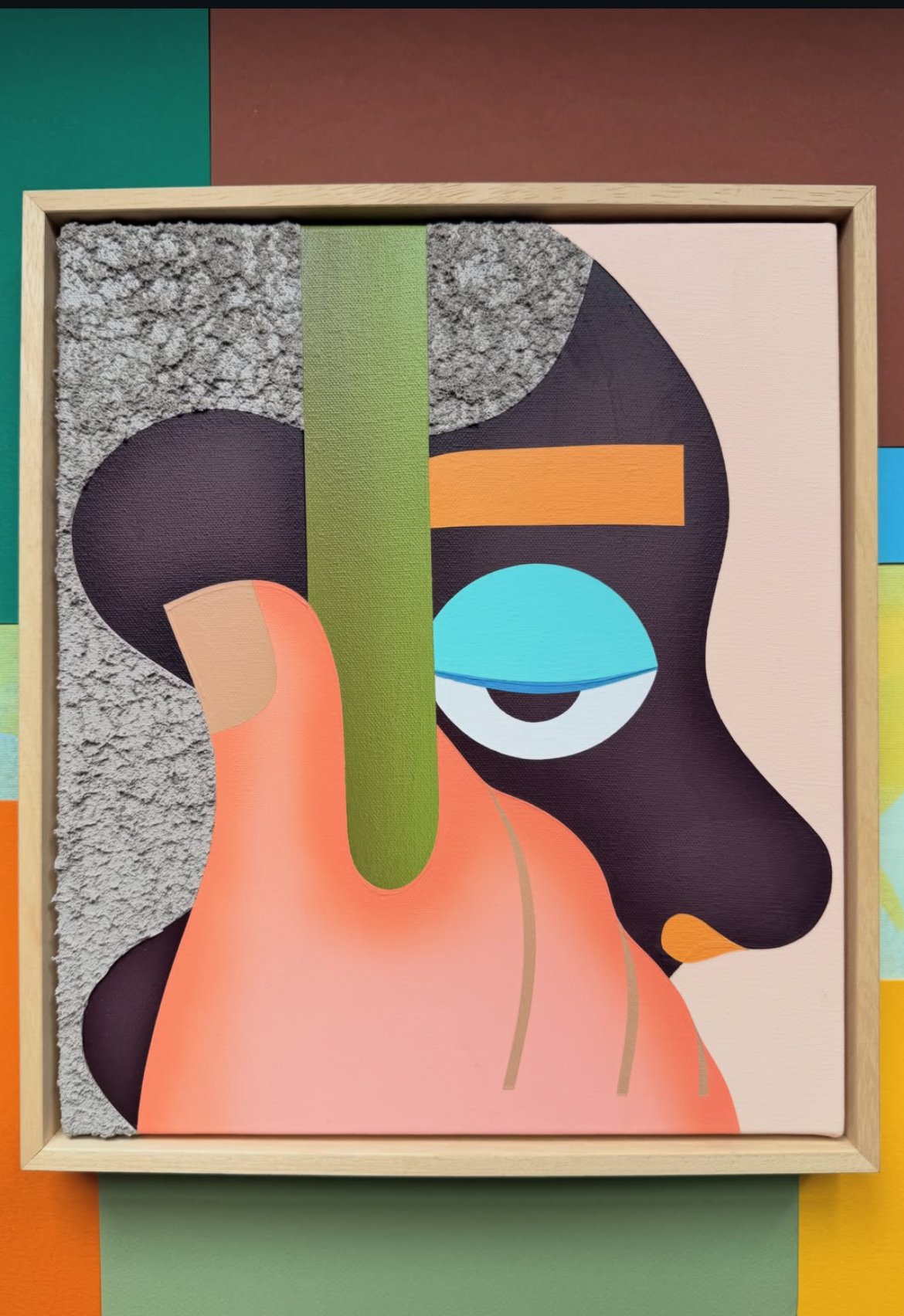
The personal dimension is just as important. Segun’s paintings draw from her experiences as a woman, her relationship with her physical and mental self, and the people and environments around her. Across her work, there is a recurring interest in the movement from self-rejection towards self-acceptance. These are not presented as neat stages with a clear beginning and end. They are complicated transitions, often accompanied by uncertainty, withdrawal, tenderness and renewed confidence. The figures can appear exposed and protected at the same time, their vivid colours set against forms that conceal as much as they reveal. They suggest that understanding oneself is rarely a finished exercise.
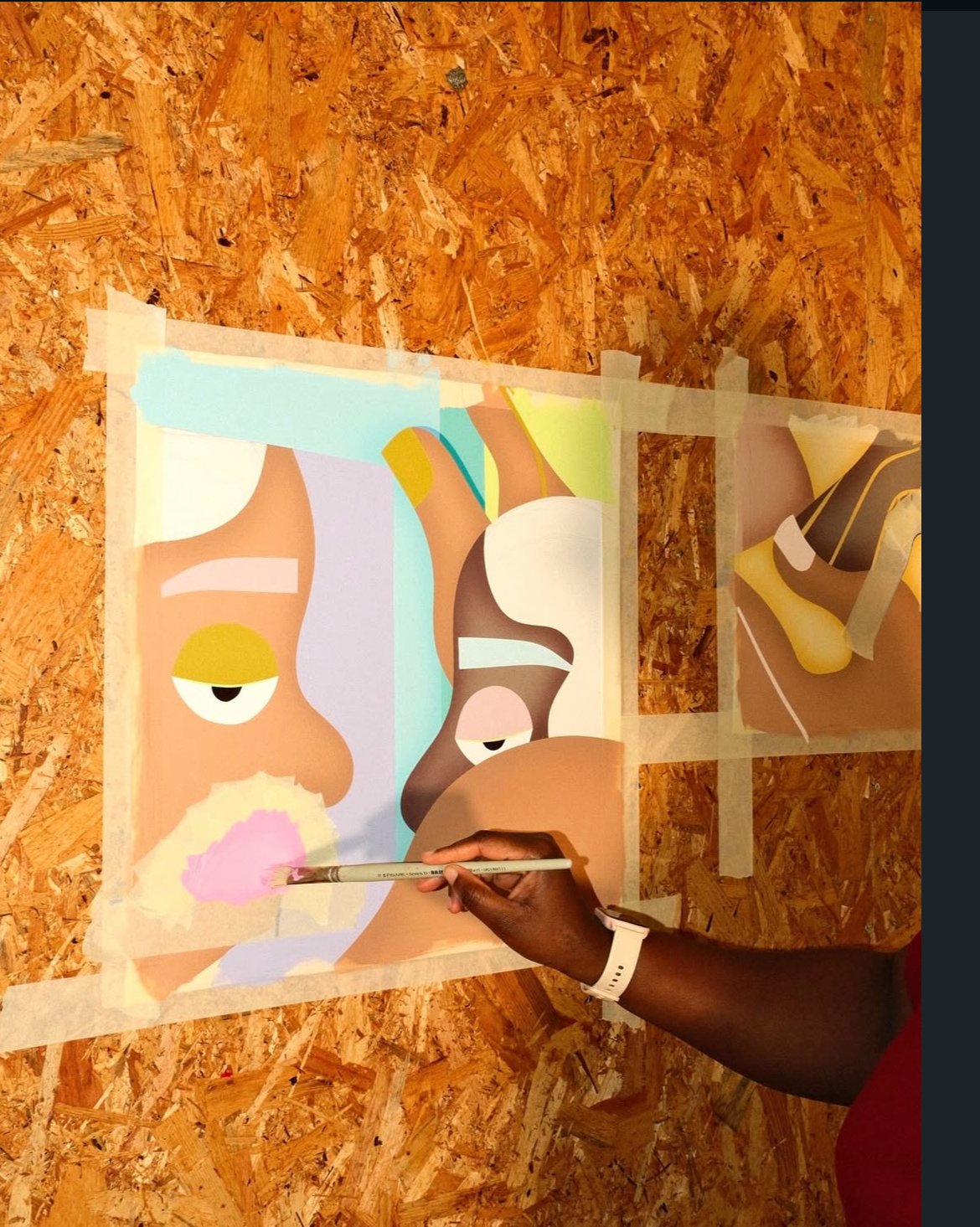
Her interest in fashion offers another way into understanding her visual practice. Born in Lagos in 1994, Segun studied Fashion Design at the Polimoda Institute of Fashion Design and Marketing in Florence, graduating in 2017. During her studies, she translated her artistic ideas into conceptual and sculptural wearable pieces before developing the painting practice for which she is now recognised. That early engagement with clothing, shape and the body remains relevant to the way she constructs figures. Her paintings treat the silhouette as something that can be taken apart, rearranged and given a new identity.
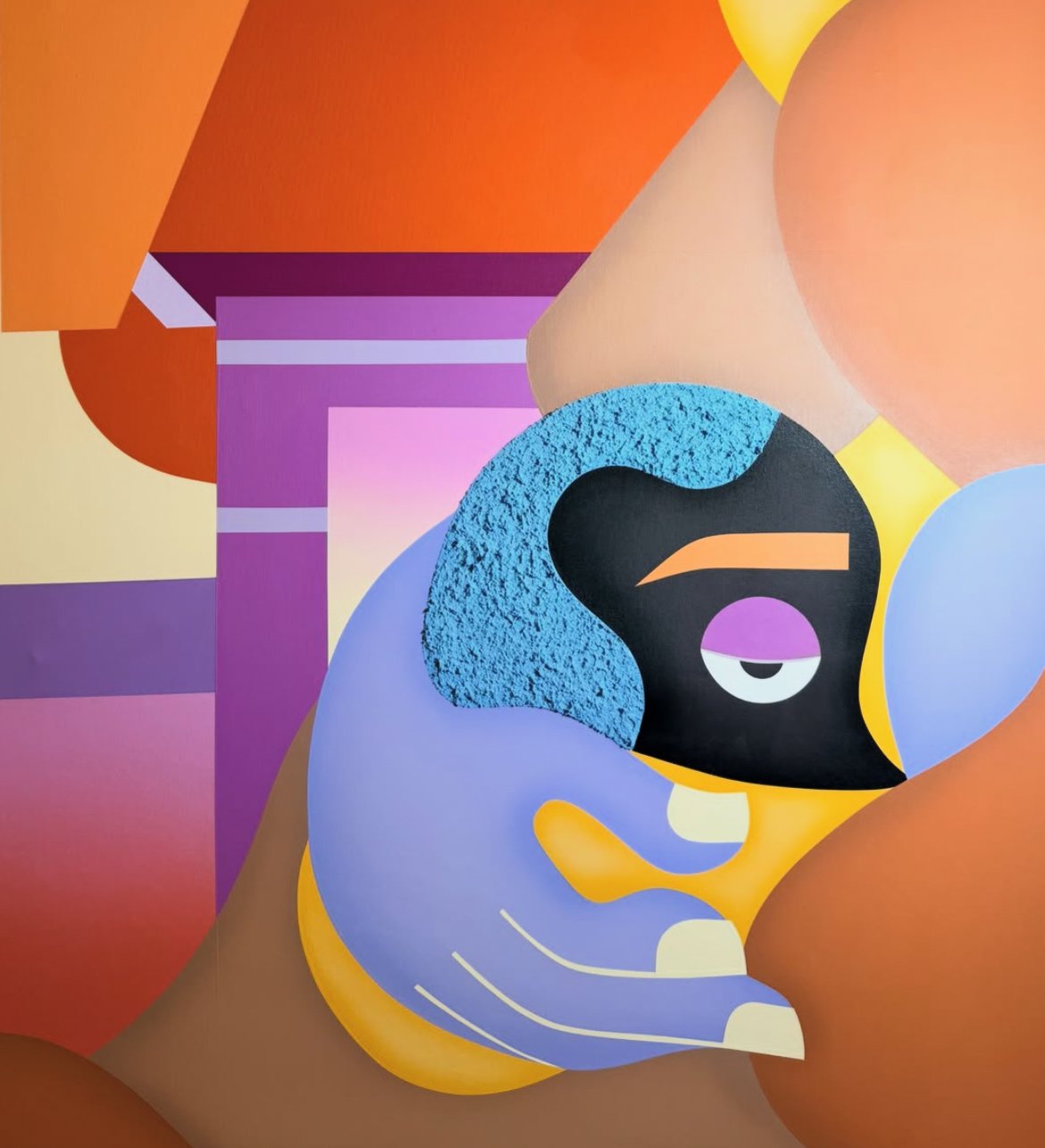
Segun’s career has since taken her work into galleries and exhibitions across several countries. Her solo exhibitions include Contemporary Art Gallery in Lagos in 2020, How to Fall in Love at BEERS London in 2021, The Little Things I Need to Make Me Whole at ADA Gallery in Accra in 2022, and Where Is My Mind? at BEERS London in 2023. In 2024, she presented A Moment to Myself at London’s Saatchi Gallery in collaboration with BEERS London, as well as Letting Yourself Be at The Breeder Gallery in Athens. In 2025, her exhibition Where I Belong was presented by Pearl Lam at the 70 Square Metres gallery in Shanghai. The titles themselves offer a glimpse into the questions that have accompanied her work: freedom, belonging, self-knowledge and the possibility of feeling at home within oneself.
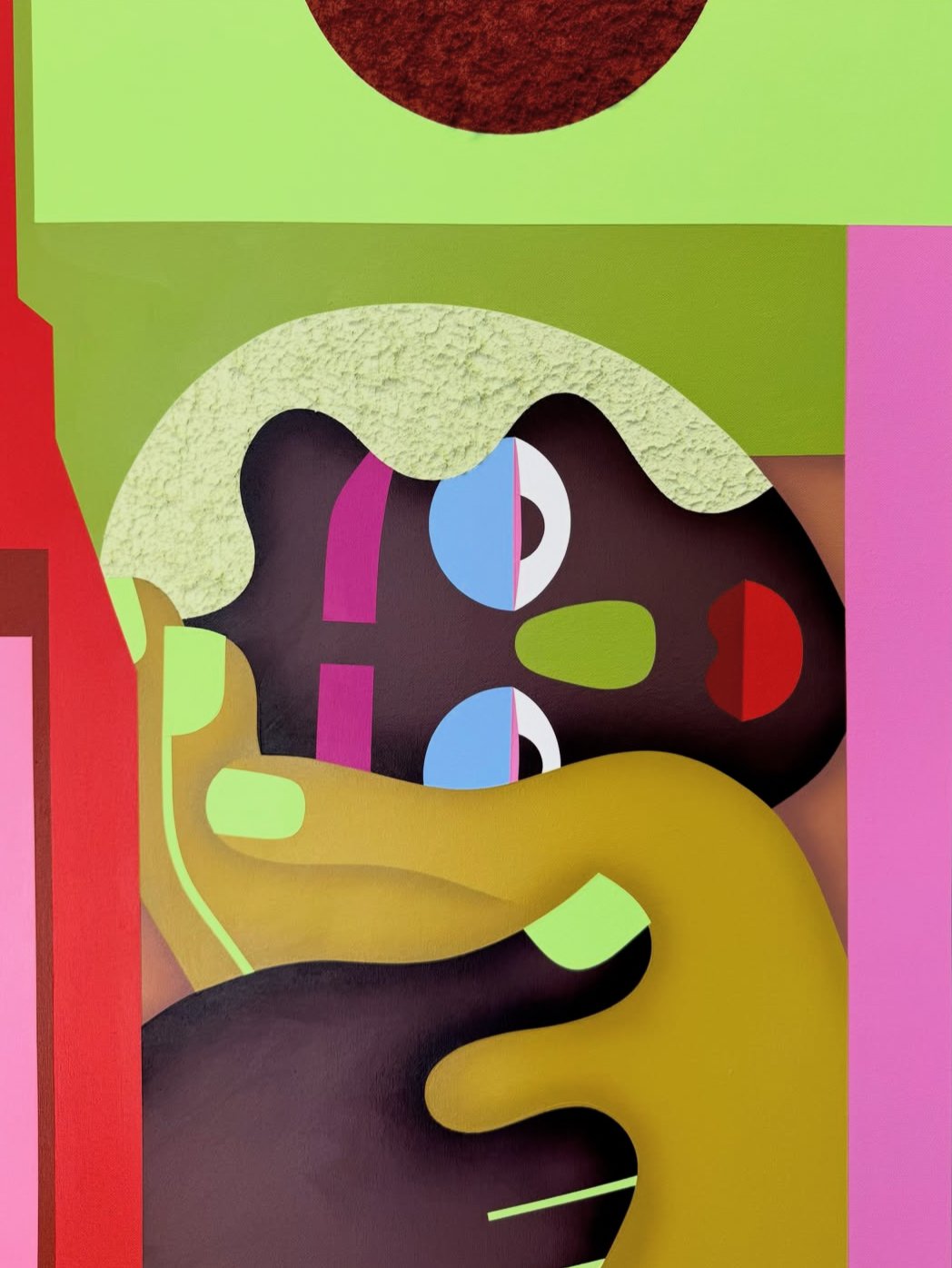
What makes Segun’s practice particularly engaging is her willingness to let personal reflection remain personal without making it inaccessible. A viewer does not need to share her exact experiences to recognise the feeling of becoming someone different from the person they once understood themselves to be. The paintings leave room for that recognition. Their subjects are not fixed symbols of womanhood, nor are they required to represent every woman. They are individuals, with private emotional lives, occupying their own space. In this sense, the work offers a considered response to the pressure placed on women to be legible, agreeable or easily defined.
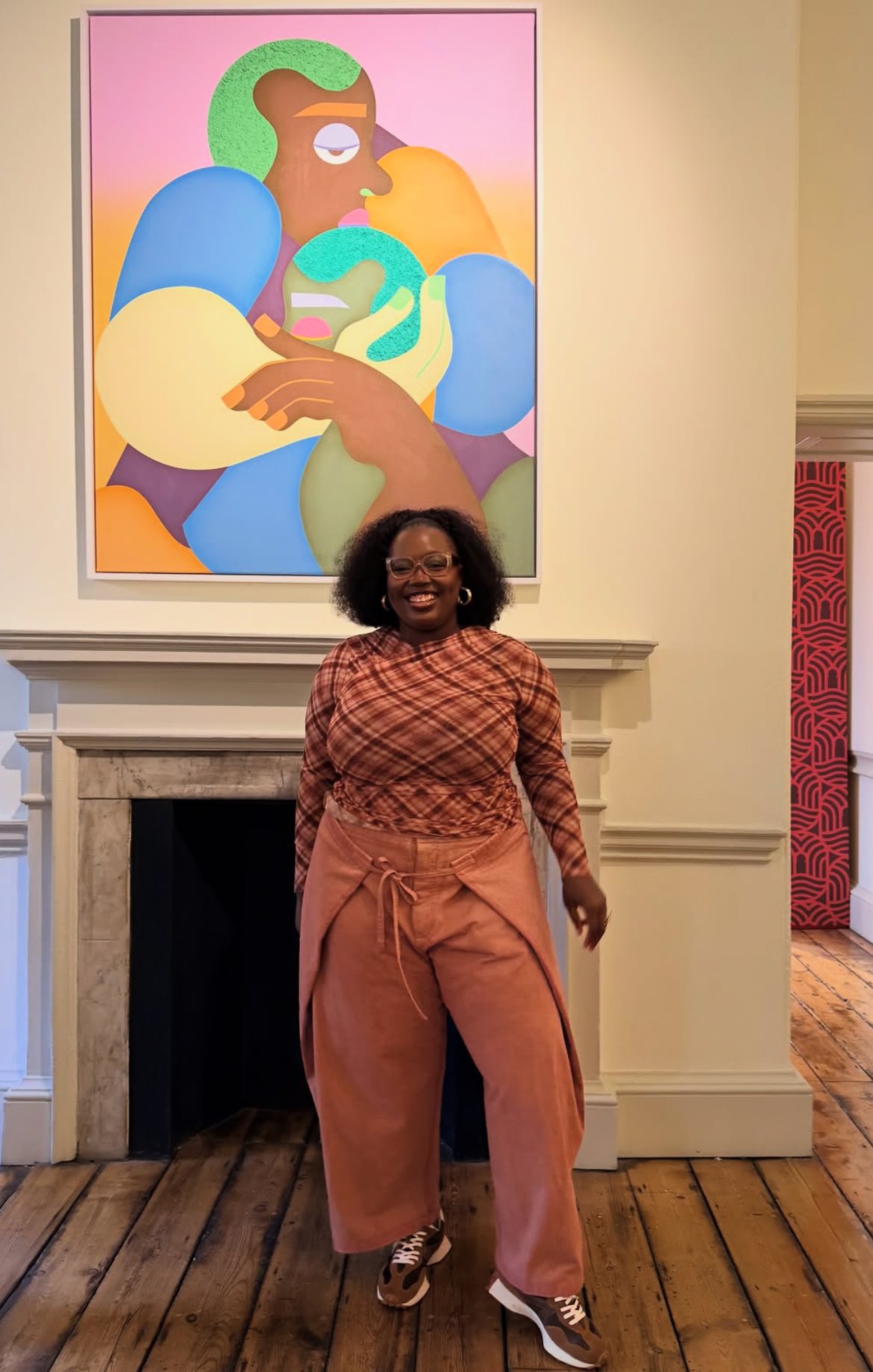
For Segun, painting is also a way of challenging reality and imagining alternative ways of positioning herself within contemporary art and society. That ambition is visible in the choices she makes on the canvas. Bodies can be reconstructed, perspectives can coexist, and familiar forms can be made strange enough for us to look at them again. Her work asks what might happen when women are allowed to define their own image, rather than inherit one. The answer is not a single ideal of beauty or identity. It is the freedom to keep changing, and to see that change as part of the picture.