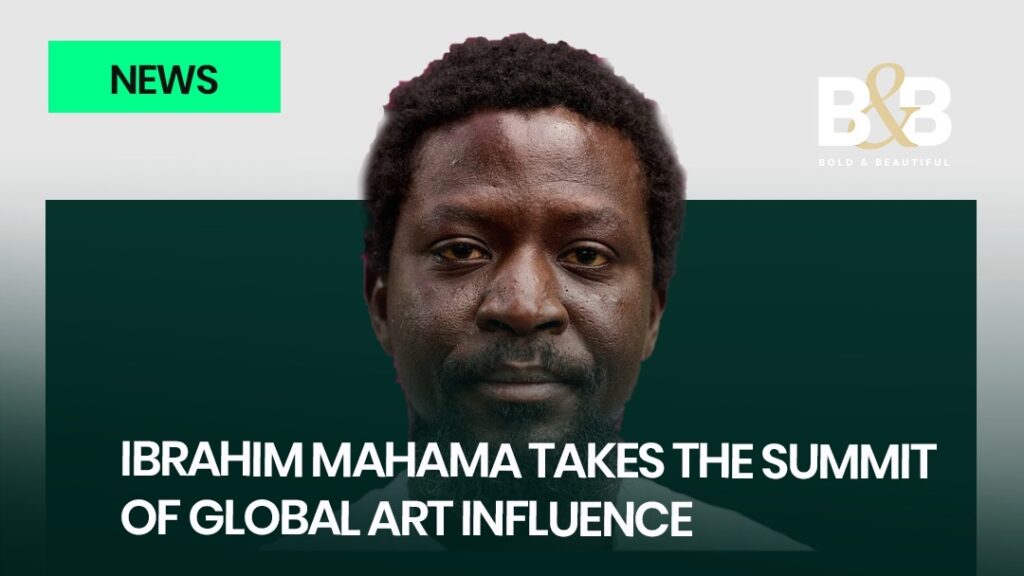
Ibrahim Mahama has reached a defining moment in contemporary art history, emerging as the first African to lead an annual global art power ranking. The recognition places the Ghanaian artist at the center of international cultural influence, acknowledging a practice that reshapes how art engages labour, memory, and public space. His rise reflects years of consistent work that has expanded beyond galleries into cities, institutions, and civic life.
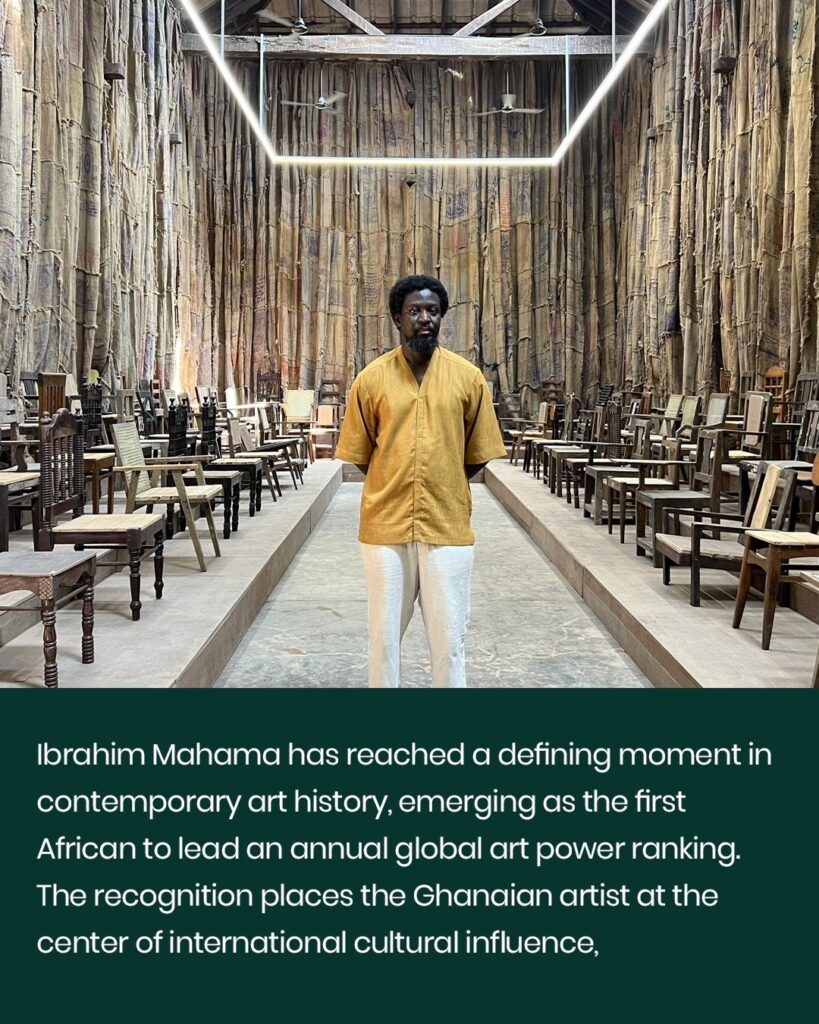
Mahama’s art is built on material honesty and social awareness. Known for working with jute sacks, industrial remnants, and architectural interventions, he treats objects as carriers of economic history. These materials move across borders and hands before arriving in his installations, mirroring the circulation of labour and capital that defines much of the Global South. His work speaks clearly, without spectacle, and invites audiences to confront systems rather than symbols.
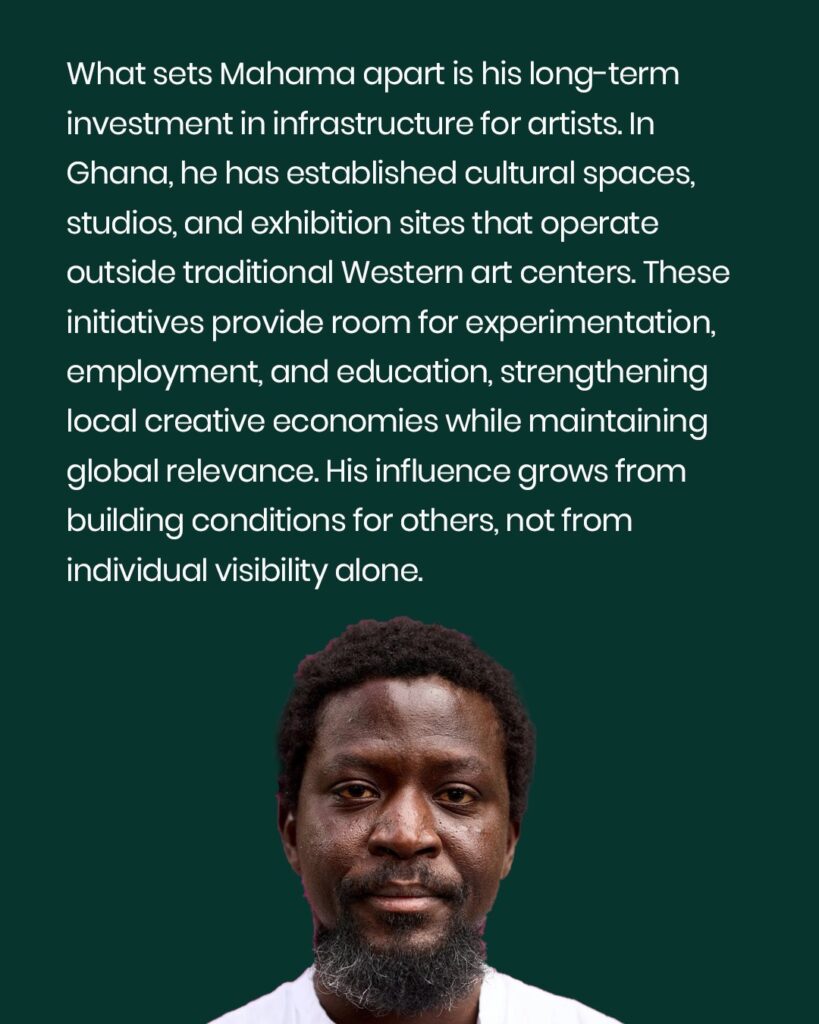
What sets Mahama apart is his long-term investment in infrastructure for artists. In Ghana, he has established cultural spaces, studios, and exhibition sites that operate outside traditional Western art centers. These initiatives provide room for experimentation, employment, and education, strengthening local creative economies while maintaining global relevance. His influence grows from building conditions for others, not from individual visibility alone.
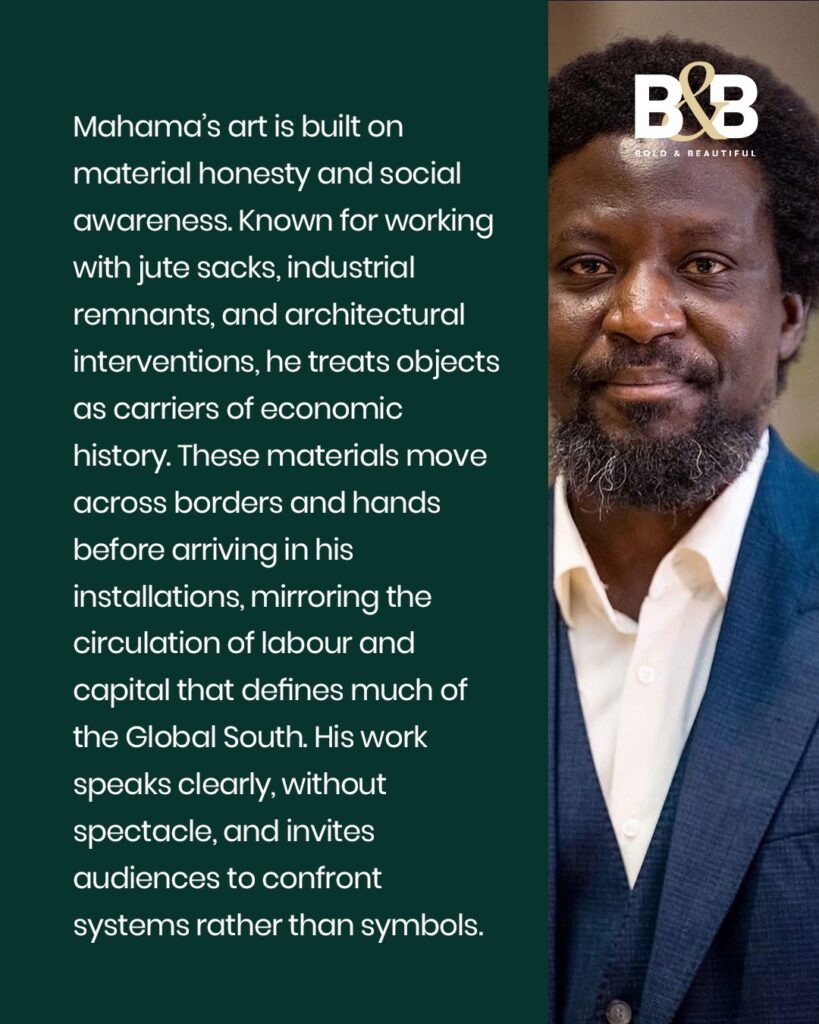
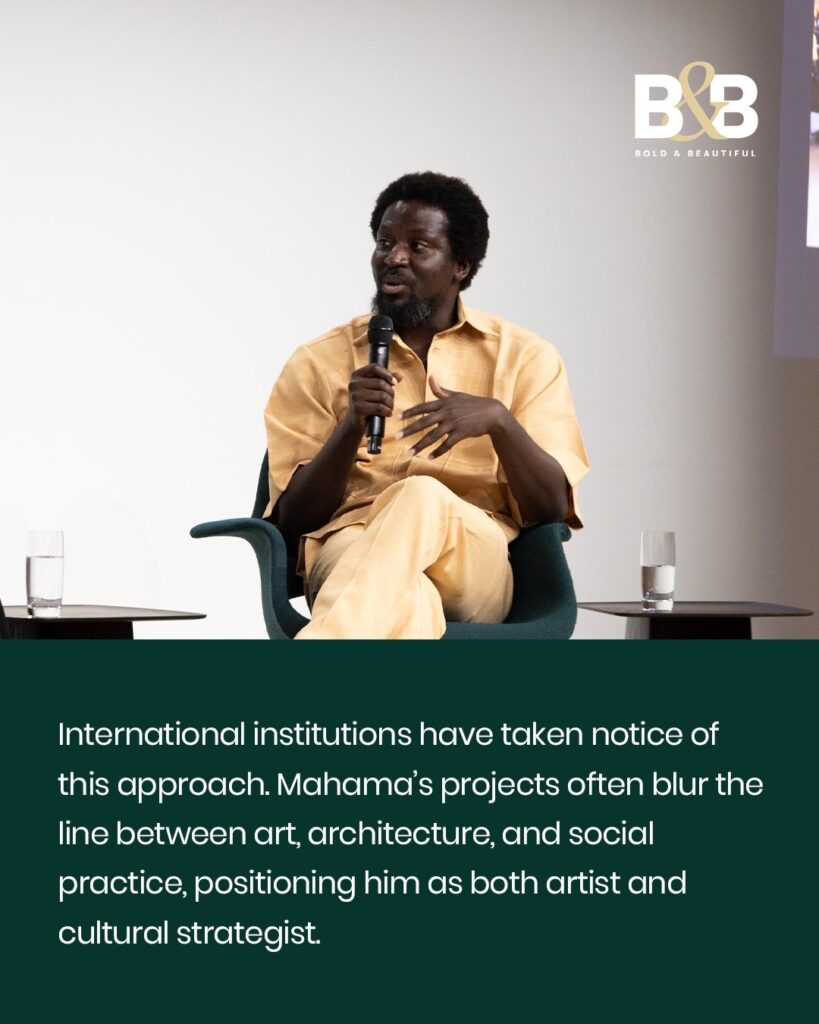
International institutions have taken notice of this approach. Mahama’s projects often blur the line between art, architecture, and social practice, positioning him as both artist and cultural strategist. Curators and collectors recognise the scale of his thinking, which aligns artistic production with responsibility and permanence. This recognition confirms a shift in how power in the art world is defined.
Ibrahim Mahama’s position at the top of the annual art power list signals a broader rebalancing within global culture. His leadership reflects Africa’s role as a site of ideas, not margins. Through disciplined work and collective vision, Mahama has redefined influence in contemporary art, grounding it in context, accountability, and sustained impact.