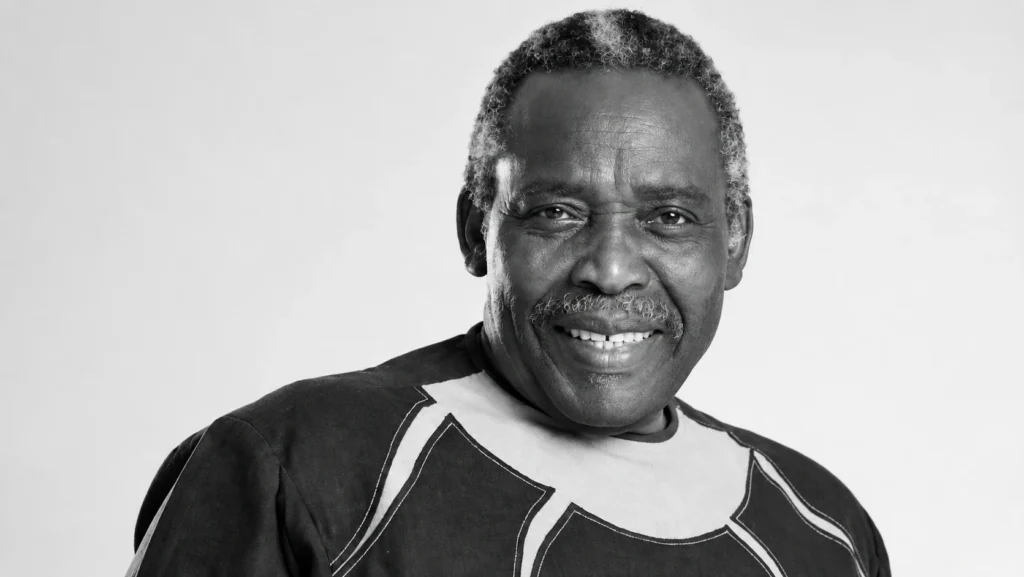
Some actors appear in films. Others become part of the memory of the people watching them. Olu Jacobs belonged to the second group. For generations of Nigerians and African audiences, his face could signal authority before he had said a word, his voice could turn an ordinary line into something weightier, and his presence could change the temperature of a scene. On 16 September 2026, his family announced that Oludotun Baiyewu Jacobs had died at 84, bringing an extraordinary life in theatre, television and film to a close.
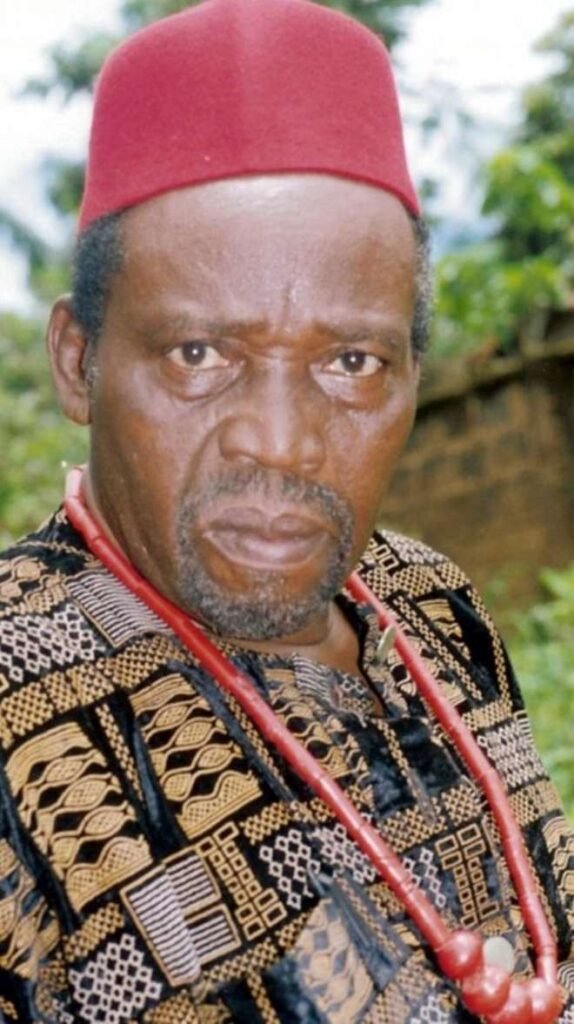
His career began long before Nollywood had acquired the name, the scale or the global visibility it enjoys today. Trained at the Royal Academy of Dramatic Art in London, Jacobs worked in British theatre and television and appeared in international productions including The Dogs of War, Pirates and Baby: Secret of the Lost Legend. When he returned to Nigeria, he entered an industry that was still finding its modern shape. He did not merely participate in that transformation. His career became one of the bridges between Nigeria’s established theatrical tradition and the film culture that would eventually travel around the world.
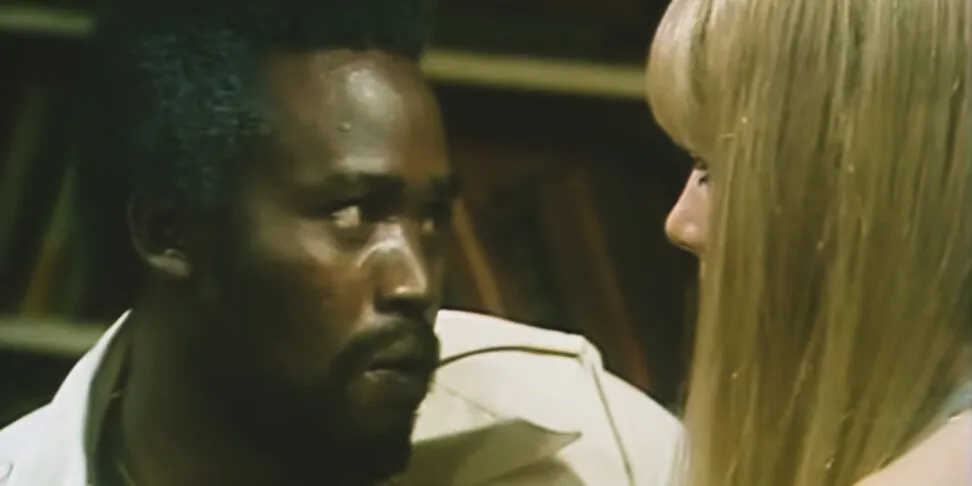
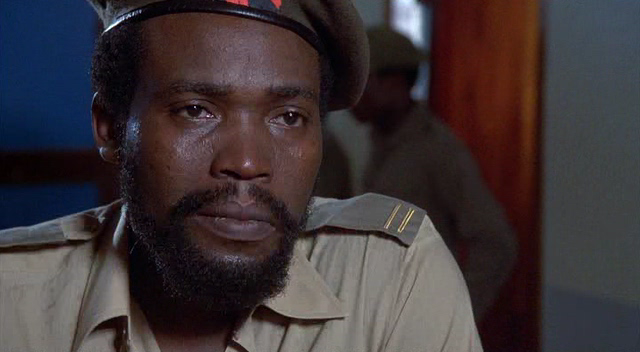
For many viewers, however, the statistics of his career will always feel secondary to the characters. Kings, fathers, chiefs, businessmen, elders, villains, patriarchs and men carrying private battles all passed through his work. Jacobs had an unusual ability to make authority believable without having to force it. His performances often seemed to understand that power is expressed as much through restraint as through volume. That quality made him particularly memorable in an industry where a single look, pause or change in tone could become part of the audience’s vocabulary.
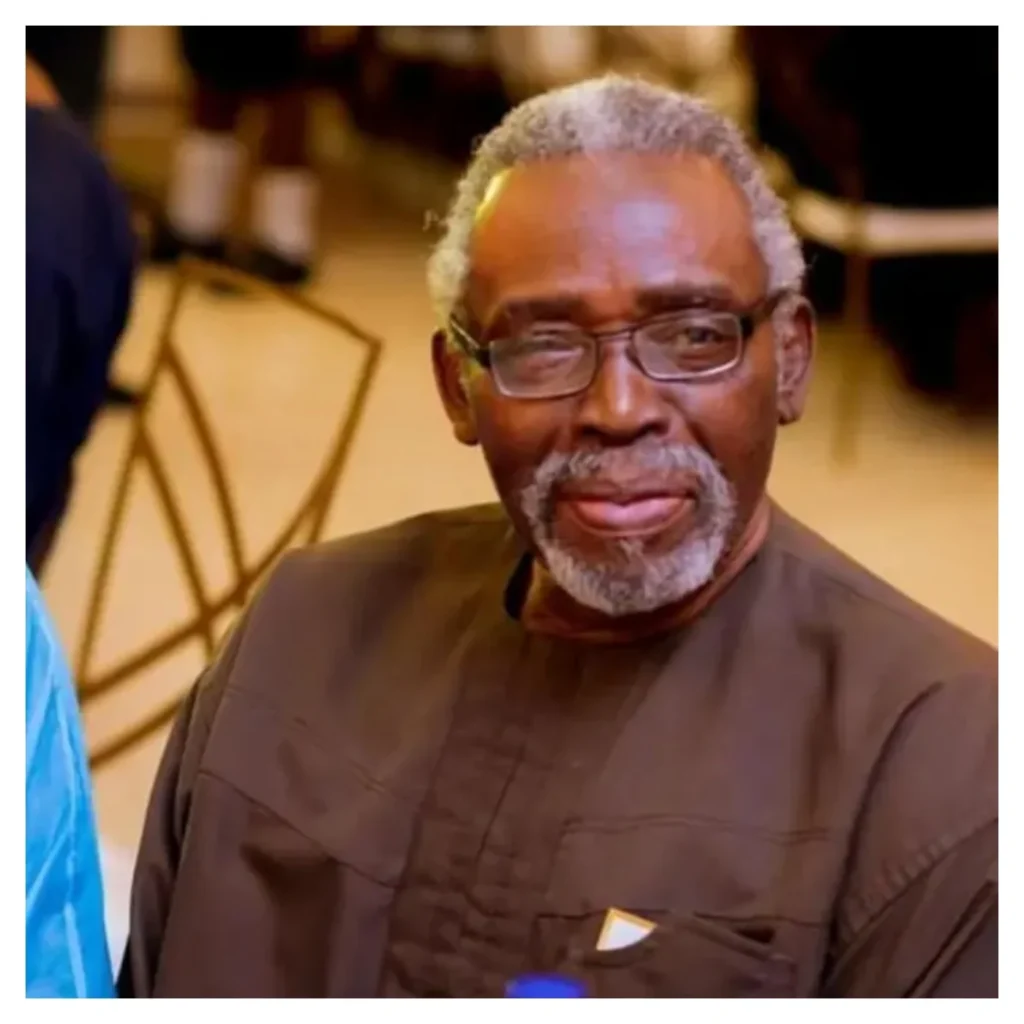
His body of work stretched across more than five decades and more than a hundred films, while his awards reflected the breadth of that contribution. He won the Africa Movie Academy Award for Best Actor in a Leading Role in 2007 and received the Industry Merit Award at the Africa Magic Viewers’ Choice Awards in 2013. He was also honoured with a Lifetime Achievement Award by the Movie Academy Awards in 2016 and received the Nigerian national honour of Member of the Order of the Federal Republic, MFR. These recognitions mattered, but perhaps the more revealing measure of his reach was how naturally his name remained familiar to audiences across generations.
There was another important part of the Jacobs story away from the camera. Together with his wife, actress Joke Silva, he helped build Lufodo Group, with interests spanning production, distribution, consulting and the Lufodo Academy of Performing Arts. Their partnership placed performance within a broader ecosystem of training and production, reflecting an understanding that a sustainable creative industry requires institutions as well as stars. Jacobs therefore leaves behind more than a filmography. He leaves a body of work and infrastructure connected to the development of Nigerian performance culture.
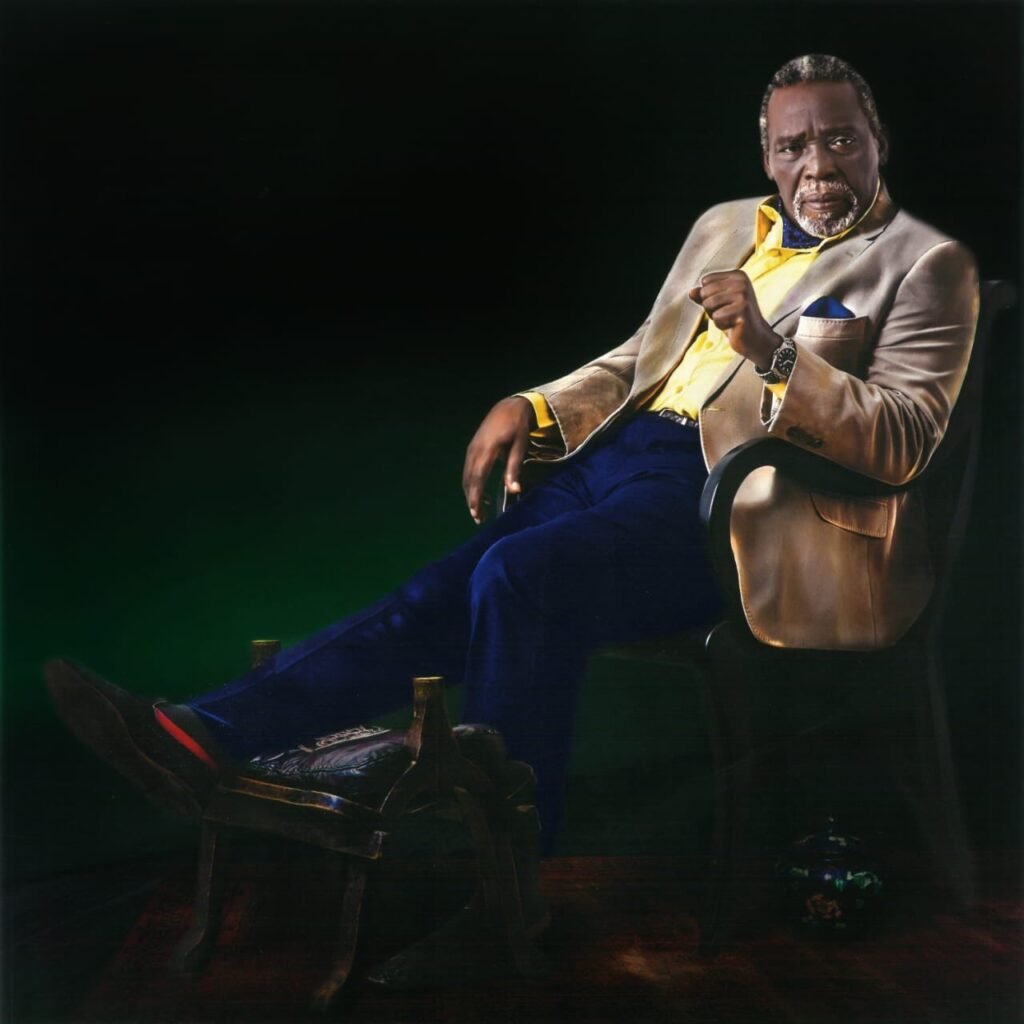
In his later years, Jacobs withdrew from the public eye as his health declined. Joke Silva disclosed in 2021 that he had been living with dementia with Lewy bodies, and the family subsequently faced repeated false reports of his death. Those rumours circulated several times between 2020 and 2024 before being publicly debunked by family members and industry figures. The final announcement on Wednesday was different: it came from his family, with his son Olusoji asking bloggers and social-media influencers to respect the family’s privacy as they mourned.
And perhaps that is why farewell feels inadequate. Olu Jacobs belonged to a generation of performers who helped teach audiences what a Nigerian screen could hold. He carried the discipline of theatre into film, brought international experience home, worked across different eras of the industry and remained recognisable as Nollywood itself changed around him. The younger actors who followed inherited an industry he helped make more visible, more ambitious and more connected to the wider world. His career became part of the history of Nigerian storytelling because he was present through so much of its evolution.
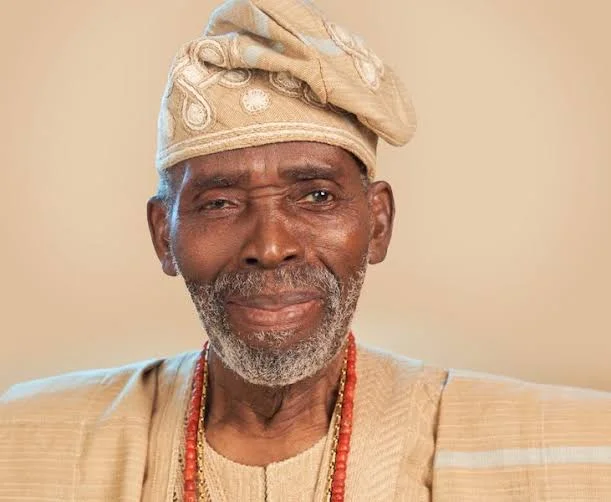
So, farewell, Olu Jacobs. Thank you for the characters that frightened us, amused us, challenged us and stayed with us. Thank you for the voice, the silences, the authority and the humanity you brought to the screen. Thank you for the years of giving audiences something to remember. To Joke Silva, his children, grandchildren, extended family, friends, colleagues and everyone who loved him, may there be strength and comfort in the memories he leaves behind. A generation watched Olu Jacobs become a part of its imagination. Now his work will have to carry his presence forward. Rest well, sir. You will be deeply missed.