
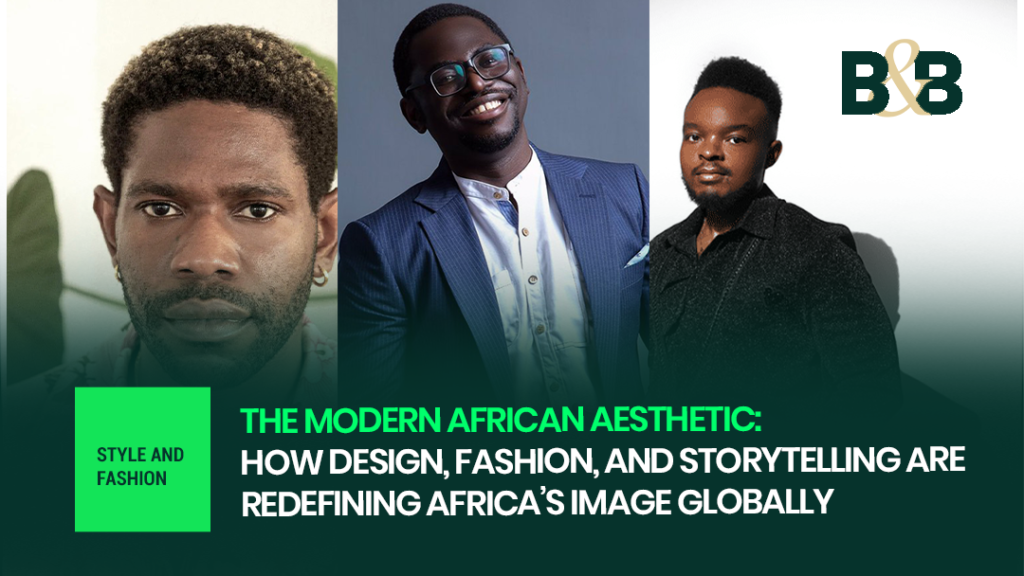
Africa’s cultural export is now measured in runway shows, gallery sellouts and playlist numbers. Creative work from the continent occupies major stages and museum walls while influencing global tastes in music, fashion and visual culture. The commercial effect follows the cultural one: brands and artists translate visibility into markets, and those markets in turn fund bigger, riskier projects. This new cycle moves quickly and rewards creators who can combine craft, narrative and scale.
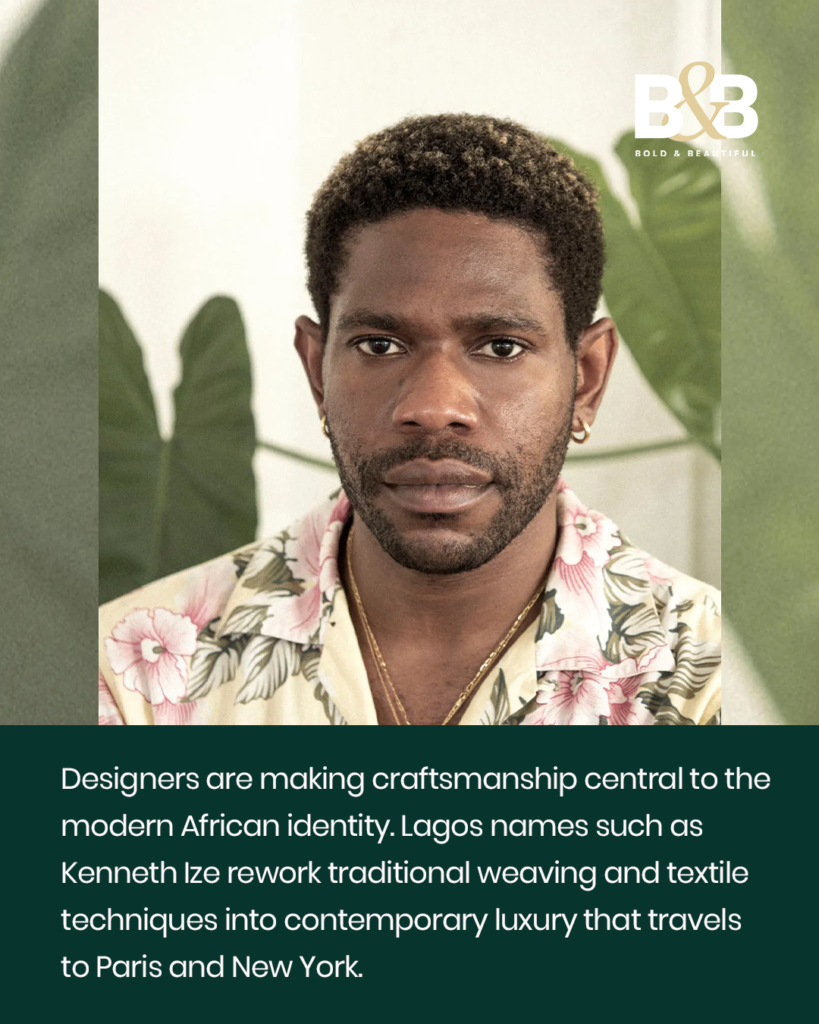
Designers are making craftsmanship central to the modern African identity. Lagos names such as Kenneth Ize rework traditional weaving and textile techniques into contemporary luxury that travels to Paris and New York. Johannesburg voices like Thebe Magugu stage collections that reference local histories while fitting into global couture conversations. These designers build businesses that keep skills in place, creating paid work for weavers, embroiderers and dye houses and converting cultural knowledge into commercial value.
Fashion houses and tech-led studios are collaborating with storytellers to create context for their work. Lisa Folawiyo’s embellished tailoring and Laduma Ngxokolo’s Maxhosa knits are read differently now because music videos, film costume and gallery exhibitions make their narratives visible beyond fashion weeks. Clothes move from stage to screen to museum, and that circulation shapes how global audiences perceive African style: intentional, layered and technically accomplished.
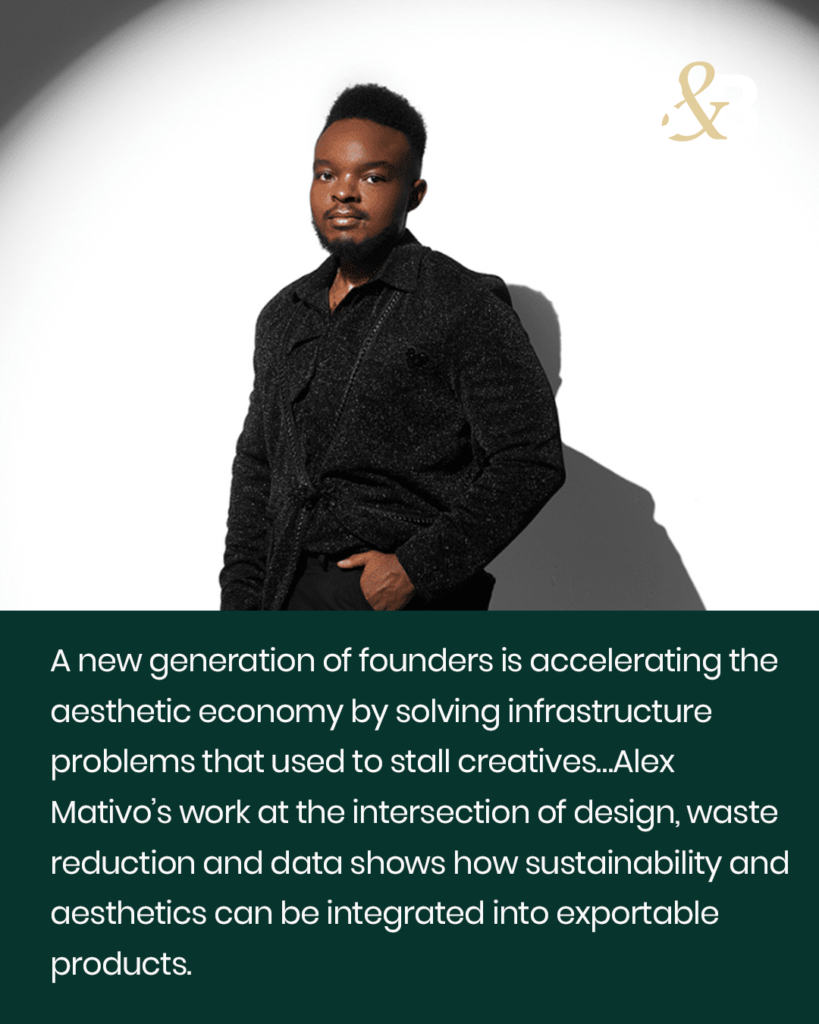
A new generation of founders is accelerating the aesthetic economy by solving infrastructure problems that used to stall creatives. Iyinoluwa Aboyeji channels capital and network through venture platforms that back creative-tech startups and media businesses. Betelhem Dessie builds local AI and coding capacity that makes production and postproduction cheaper and faster in East Africa. Alex Mativo’s work at the intersection of design, waste reduction and data shows how sustainability and aesthetics can be integrated into exportable products. These entrepreneurs convert cultural production into investible businesses.
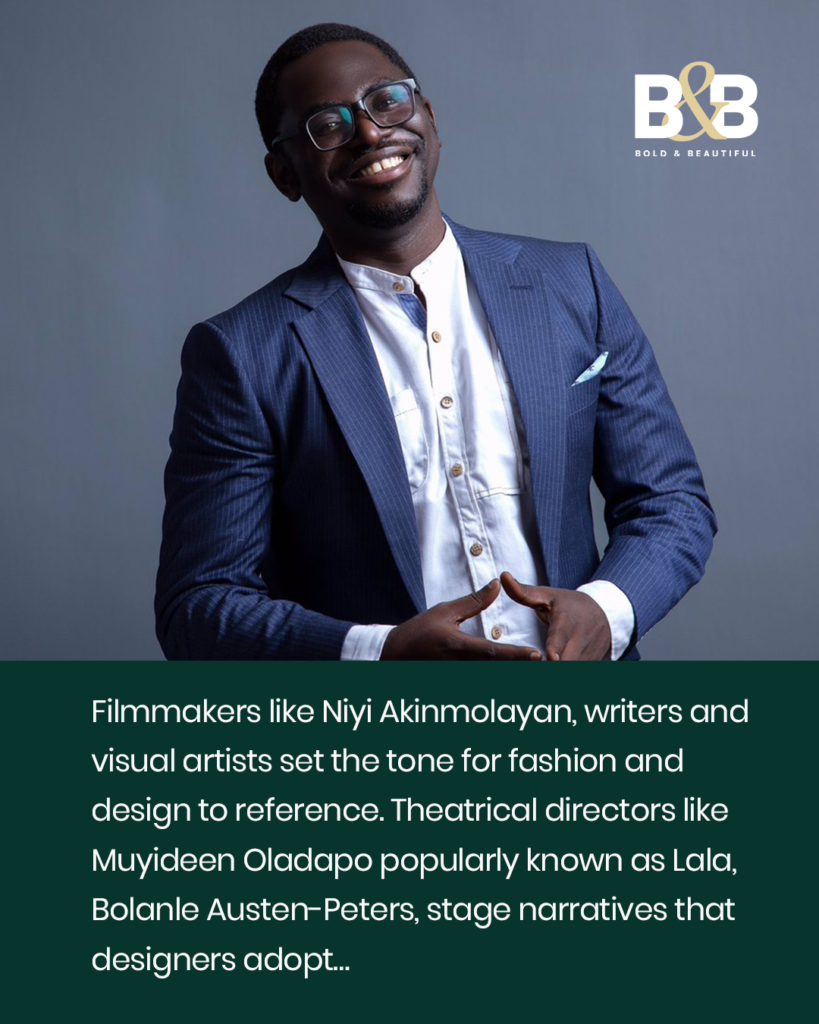
Storytellers give the aesthetic its form. Filmmakers like Niyi Akinmolayan, writers and visual artists set the tone for fashion and design to reference. Theatrical directors like Muyideen Oladapo popularly known as Lala, Bolanle Austen-Peters, stage narratives that designers adopt; painters and photographers supply imagery that brands borrow. Amoako Boafo’s portrait practice and gallery presence, for example, provide visual language that circulates through editorial shoots and fashion campaigns. When artists of that scale return attention to local craft and spaces, they normalize investment in artists, galleries and cultural infrastructure.
Practical constraints remain. Creatives complain about weak copyright systems, limited production capacity and uneven financing. The modern aesthetic turns those constraints into strategy. Designers anchor production locally and then export finished work. Festivals and biennales act as market makers by linking buyers, curators and press. Public institutions are beginning to respond with artist residencies and cultural funds, and private backers are underwriting galleries and studios. The business of beauty becomes a set of predictable operations rather than individual heroic acts.
The result is a layered identity that operates at multiple speeds: intimate and local in craft, ambitious and global in presentation. Fashion, design and storytelling now form an ecosystem where cultural capital becomes tradeable capital. For Africa’s creators that means clearer career paths, better pay and influence. For global audiences it offers a new image of the continent: inventive, self-defining and materially consequential.