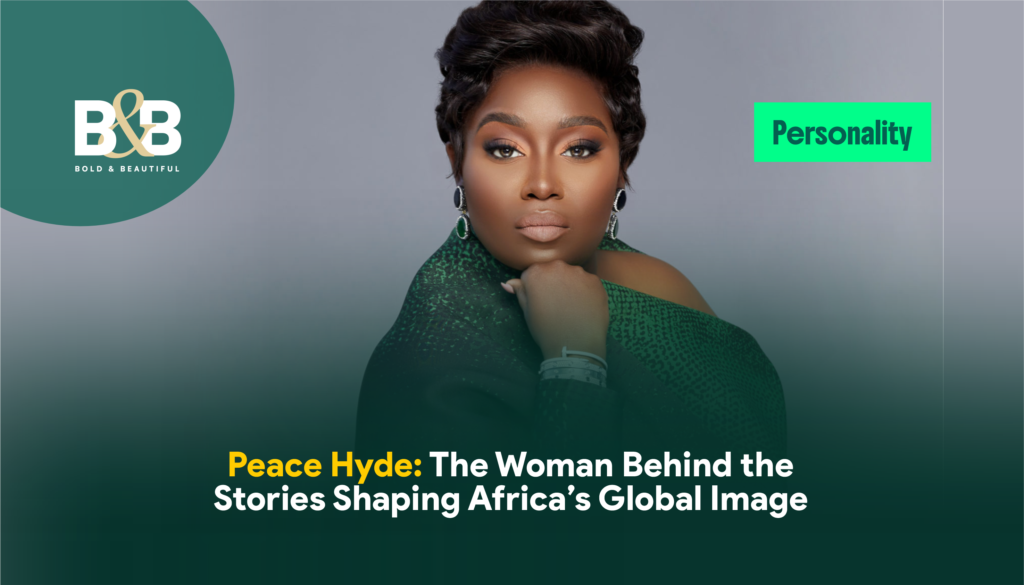
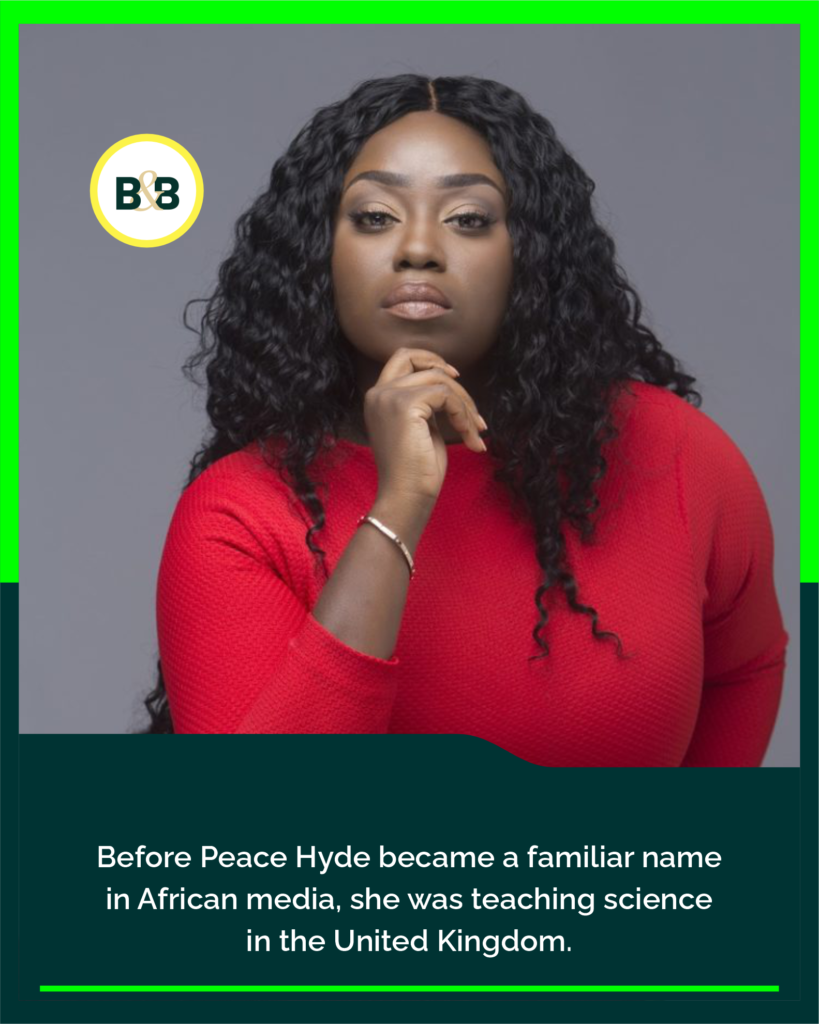
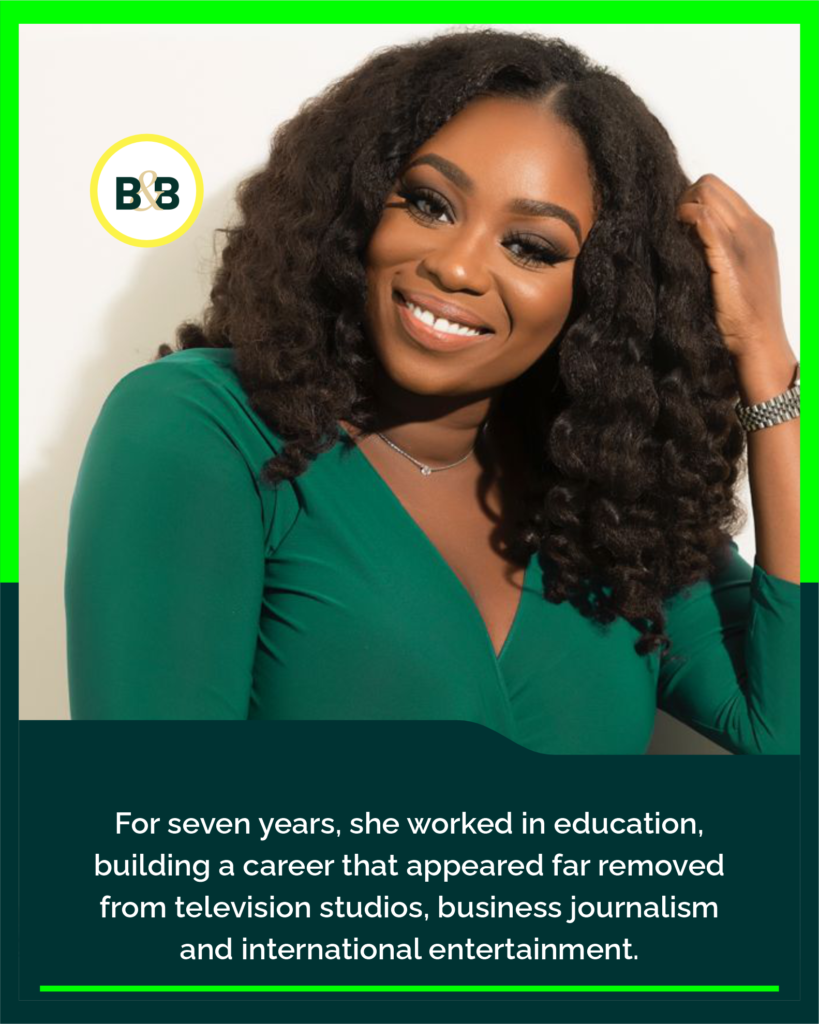
Before Peace Hyde became a familiar name in African media, she was teaching science in the United Kingdom. For seven years, she worked in education, building a career that appeared far removed from television studios, business journalism and international entertainment. Yet the skills that would later distinguish her in media were already taking shape: curiosity, communication and an interest in what helps people learn and grow. Her transition was not a rejection of education. It was a change in how she would pursue its central purpose, moving from the classroom towards platforms capable of reaching entrepreneurs, executives, creatives and audiences across borders.
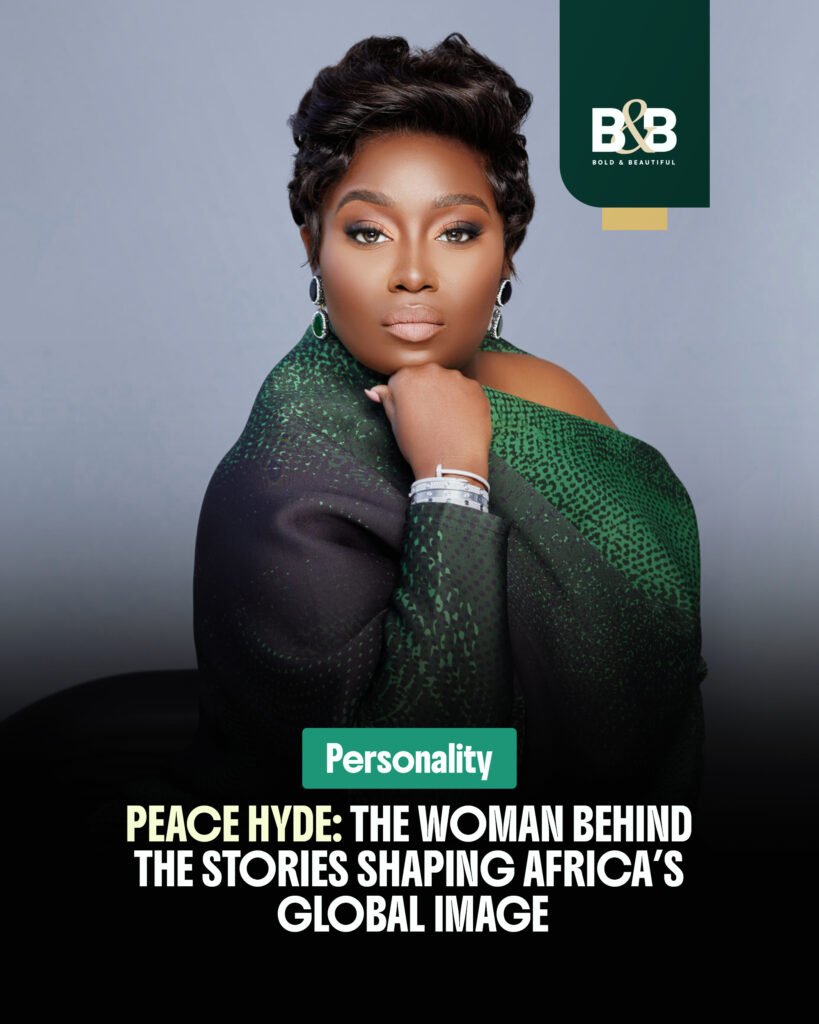
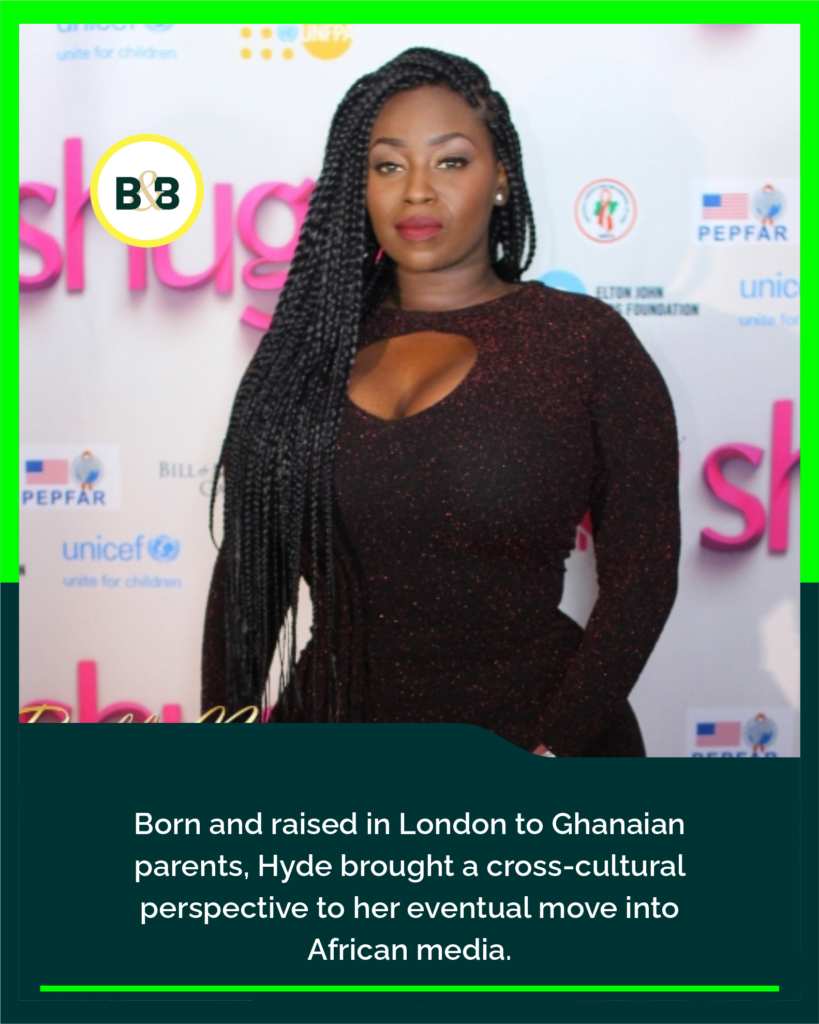
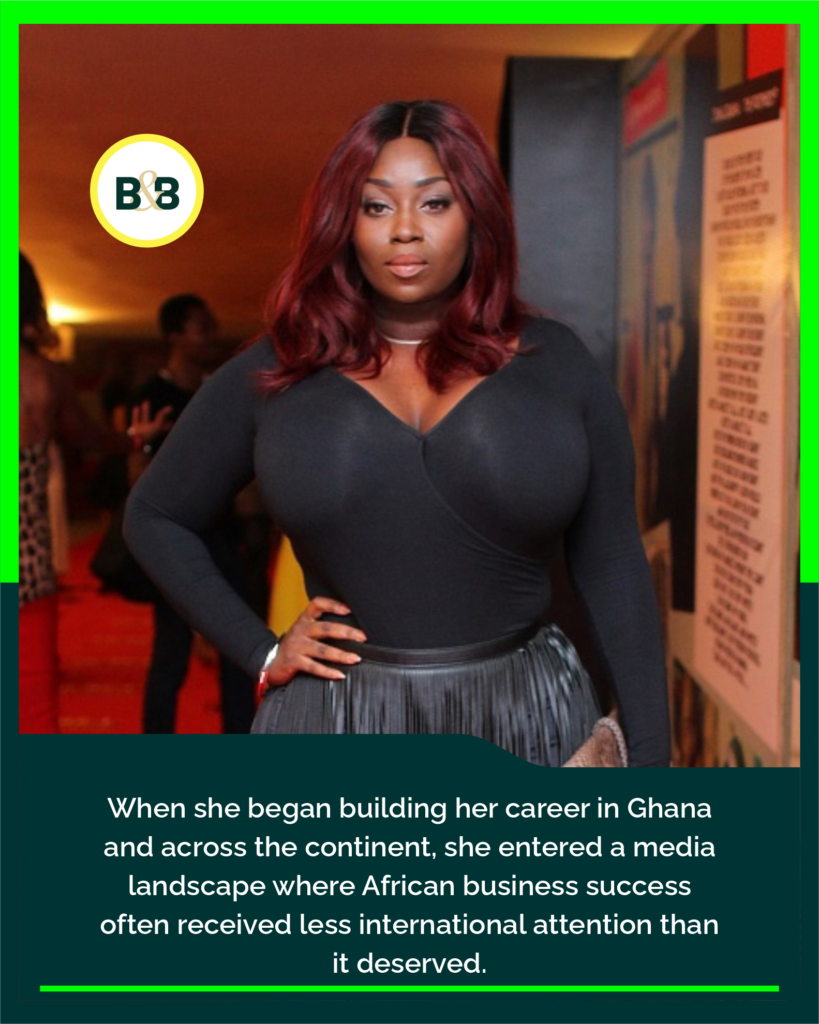
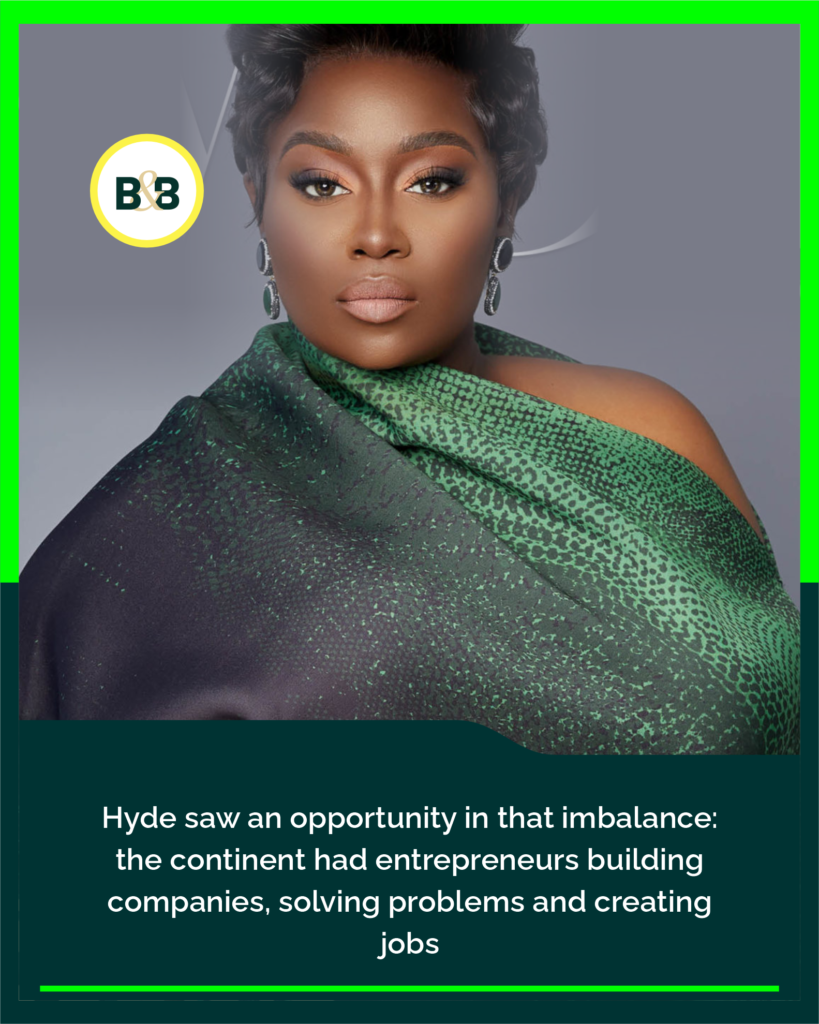
Born and raised in London to Ghanaian parents, Hyde brought a cross-cultural perspective to her eventual move into African media. Her academic background in psychology, alongside postgraduate studies in communication, digital media and journalism, gave her a foundation for understanding both people and the systems through which their stories travel. When she began building her career in Ghana and across the continent, she entered a media landscape where African business success often received less international attention than it deserved. Hyde saw an opportunity in that imbalance: the continent had entrepreneurs building companies, solving problems and creating jobs, but their experiences needed stronger platforms and more ambitious storytelling.
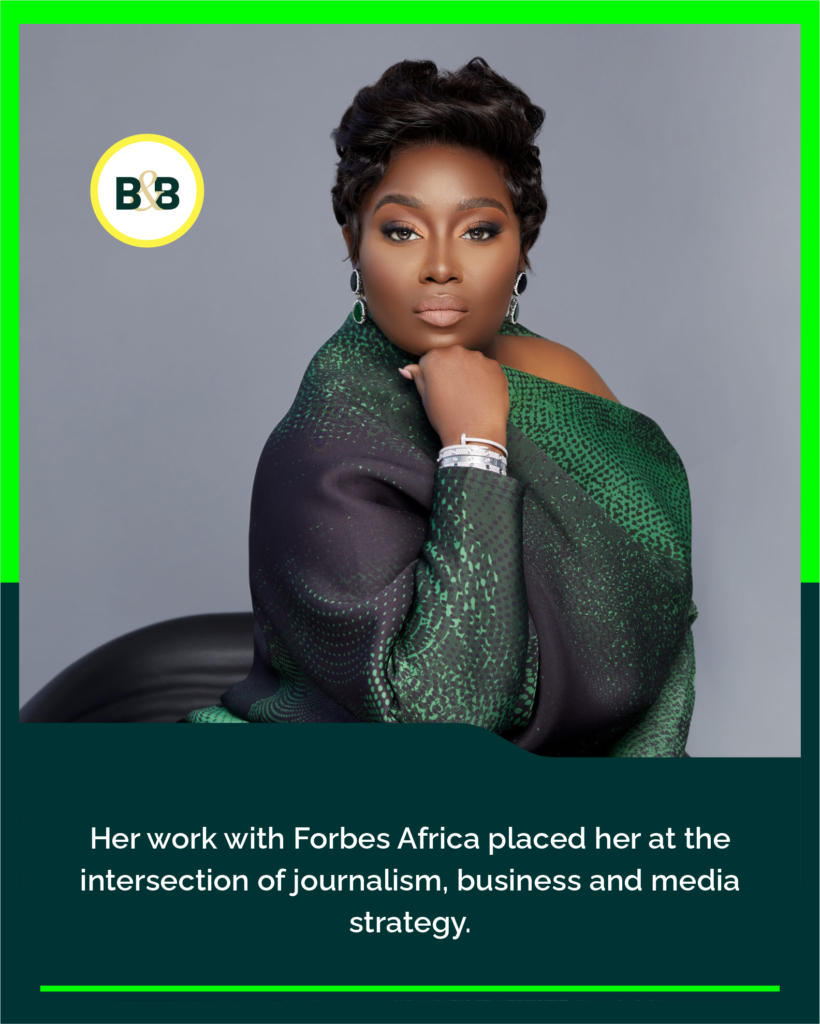
Her work with Forbes Africa placed her at the intersection of journalism, business and media strategy. As West Africa correspondent and later Head of Digital Media and Partnerships, she helped develop coverage and platforms that brought African business leaders into wider conversations about wealth, innovation and leadership. The role demanded more than finding interesting personalities. It required understanding what made their experiences relevant to audiences, how digital distribution could expand reach, and how editorial ideas could develop into sustainable media properties. Hyde’s career began to demonstrate that visibility is not simply a matter of putting a successful person in front of a camera. The questions asked, the experiences explored and the audiences reached all shape what that visibility can achieve.
One of her most distinctive projects was My Worst Day with Peace Hyde, a series that invited prominent entrepreneurs and business leaders to discuss the difficult moments behind their achievements. The premise challenged the familiar presentation of success as a clean sequence of bold decisions and upward movement. Business leaders were asked to revisit failure, uncertainty and the decisions that tested them. The format offered audiences something more useful than another collection of success stories: an opportunity to understand what ambition costs, how setbacks reshape judgement and what resilience looks like when the outcome is still uncertain. In a continent where entrepreneurship is often celebrated without enough examination of its risks, those conversations gave difficulty a place in the story.
Hyde’s reach later extended from business television into global entertainment through Young, Famous & African, the Netflix reality series she created and executive-produced. The show brought together prominent African personalities and their social worlds, presenting a version of contemporary African celebrity to an international audience. Its appeal lay partly in the personalities and spectacle, but its wider significance came from who occupied the screen and the cultural world they represented. African stories could travel globally without being framed exclusively through hardship, conflict or the expectations of foreign observers. They could be glamorous, complicated, entertaining and commercially valuable, with African personalities controlling much of the conversation about their own lives.
Her work has also extended beyond media into education and youth enterprise. Through Aim Higher Africa, the non-profit she founded, Hyde has pursued opportunities for young people to develop practical skills and turn their ideas into businesses. The initiative connects her earlier experience in education with her later work around entrepreneurship, reflecting a consistent interest in access: who gets the tools to participate, whose potential receives investment and what happens when opportunity reaches people who have historically been excluded from it. Her selection for the Obama Foundation’s 2018 Leaders: Africa programme brought further recognition to this dimension of her work. It also showed that her influence could be assessed through more than television audiences or professional titles.
In September 2026, Hyde entered another phase of her career with an appointment as Director of Global Strategic Partnerships at TIME Africa, according to reports on the move. After more than a decade associated with Forbes Africa, the position places her experience in editorial development, audience growth, partnerships and entertainment within a new international media environment. The shift is significant because the future of African media will depend not only on the stories organisations publish, but also on the businesses, distribution networks and creative properties that allow those stories to reach audiences consistently. Hyde has worked across those different demands, giving her a perspective that spans journalism, production and the commercial relationships required to sustain ambitious media projects.
Peace Hyde’s career offers a useful way to think about influence in modern African media. It is not confined to being the person on screen, nor is it measured only by the profile of the people interviewed. It also resides in the formats created, the opportunities extended to others and the decisions that determine which stories receive international attention. From science classrooms to business interviews, global entertainment and media partnerships, Hyde has moved between industries while keeping storytelling at the centre of her work. Her next chapter will be judged by what she builds and the audiences she helps bring into the conversation. For a continent with no shortage of compelling stories, the challenge is not finding material worth telling. It is building platforms capable of carrying those stories further.