
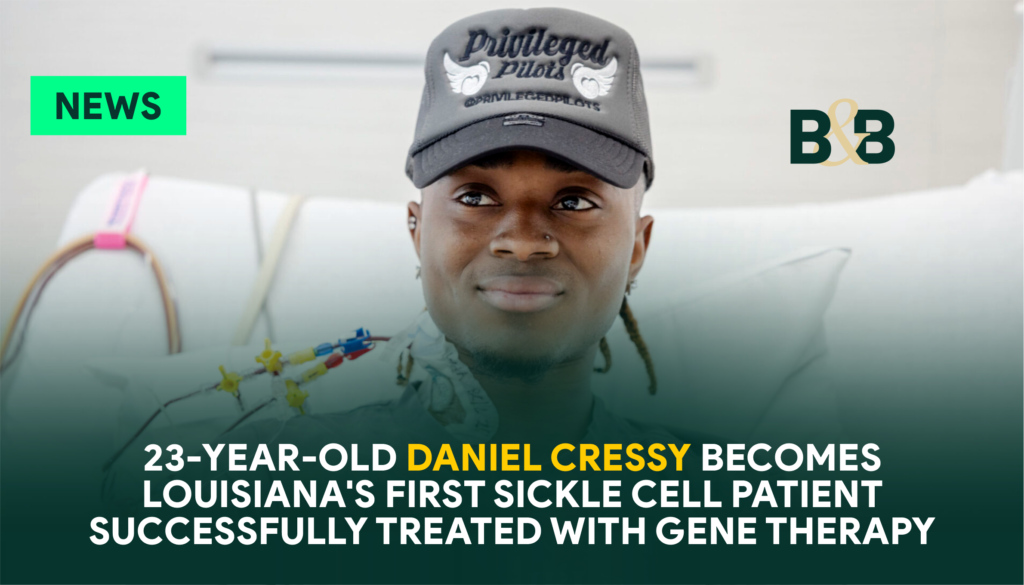
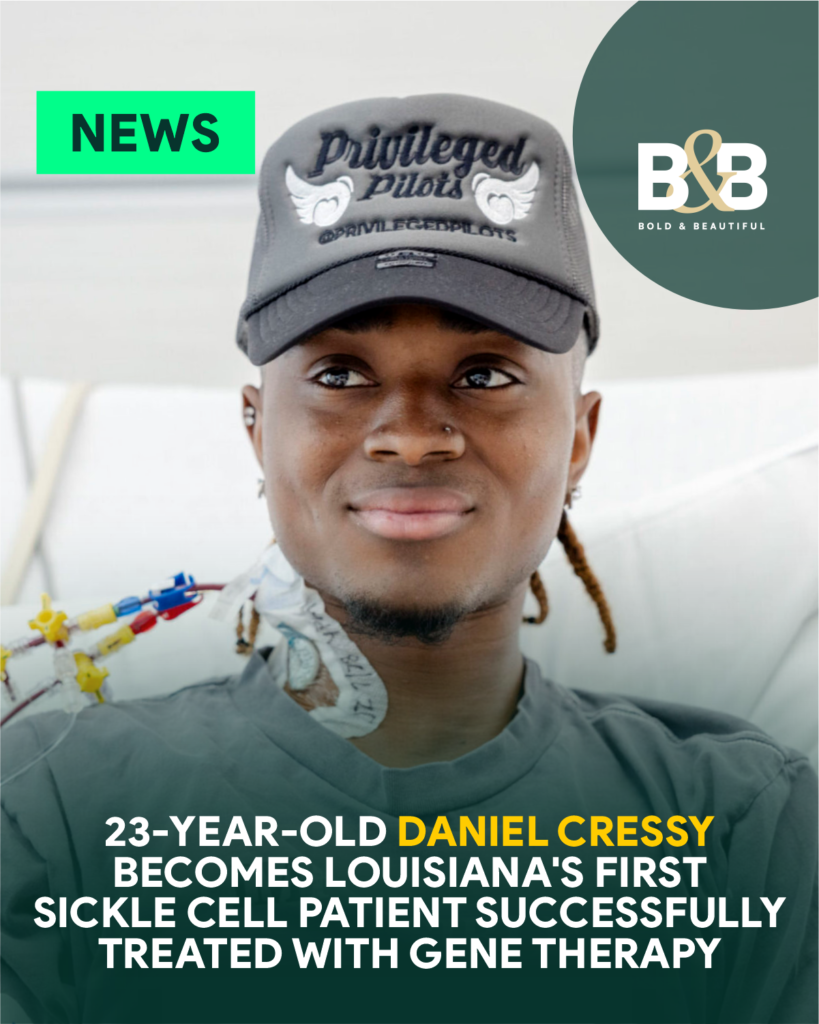
For millions of people living with sickle cell disease, treatment has traditionally focused on managing pain, preventing complications and improving quality of life. Gene therapy is beginning to change that conversation. In Louisiana, 23-year-old Daniel Cressy has become the first person in the state to be successfully treated for sickle cell disease through gene therapy, marking a significant milestone in the continuing evolution of precision medicine.
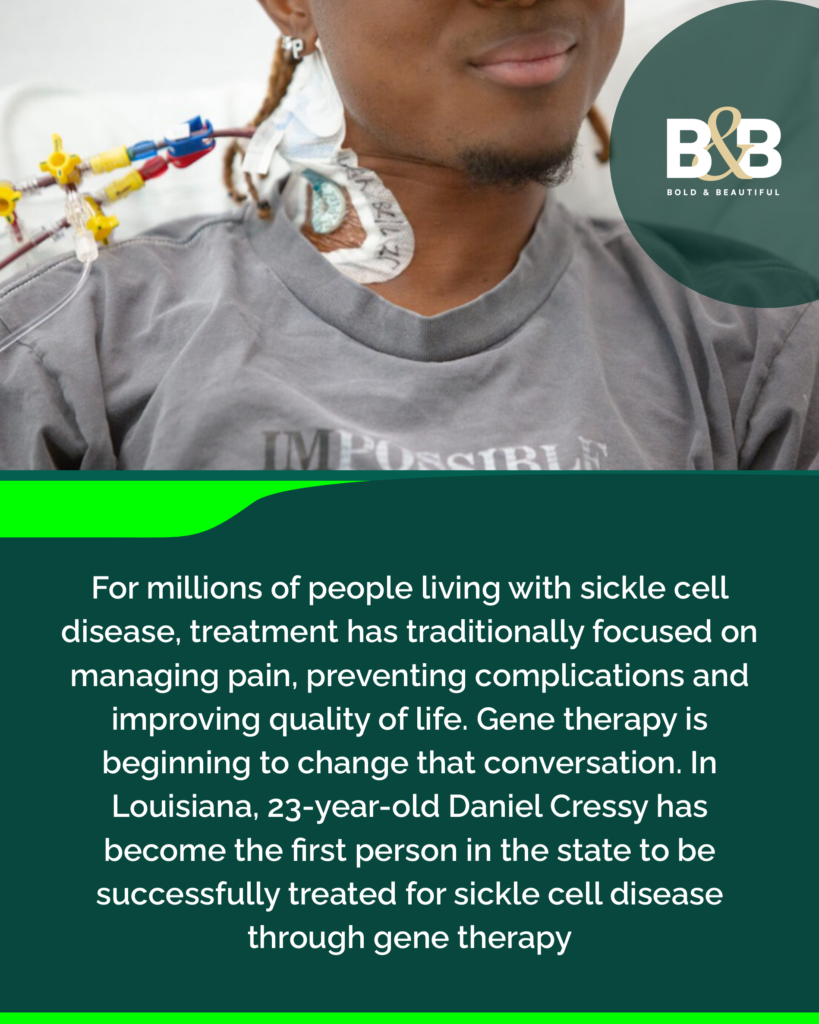
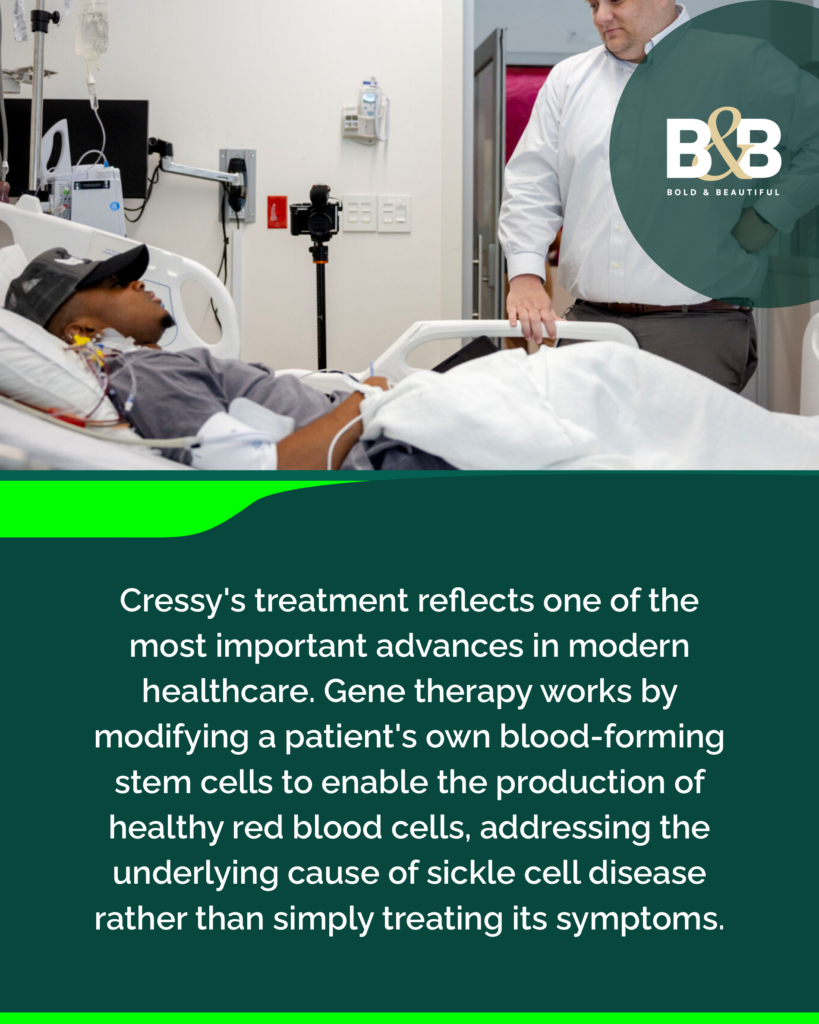
Cressy’s treatment reflects one of the most important advances in modern healthcare. Gene therapy works by modifying a patient’s own blood-forming stem cells to enable the production of healthy red blood cells, addressing the underlying cause of sickle cell disease rather than simply treating its symptoms. Following the procedure and recovery process, patients may experience freedom from the painful vaso-occlusive crises that have defined their lives for years. For many families, the development offers a new level of hope that was unimaginable only a decade ago.
The achievement also highlights the rapid progress being made in the treatment of inherited blood disorders. Sickle cell disease affects millions of people worldwide and disproportionately impacts individuals of African ancestry. For decades, treatment options remained limited, with bone marrow transplantation available only for a relatively small number of eligible patients. The emergence of approved gene therapies has expanded the possibilities for carefully selected patients, opening a new chapter in personalised medicine and genetic science.
While gene therapy remains complex, highly specialised and currently accessible to a limited number of patients, medical experts view breakthroughs like Cressy’s as evidence of where healthcare is heading. Hospitals, researchers and biotechnology companies continue working to improve access, reduce treatment costs and refine procedures so that more patients can benefit from these life-changing innovations in the years ahead.
Daniel Cressy’s story represents more than a personal medical milestone. It illustrates the growing impact of scientific research translated into clinical care and the promise that advanced genetic medicine holds for future generations. As gene therapy continues to mature, achievements like this offer renewed optimism for individuals and families who have lived with the lifelong burden of sickle cell disease.